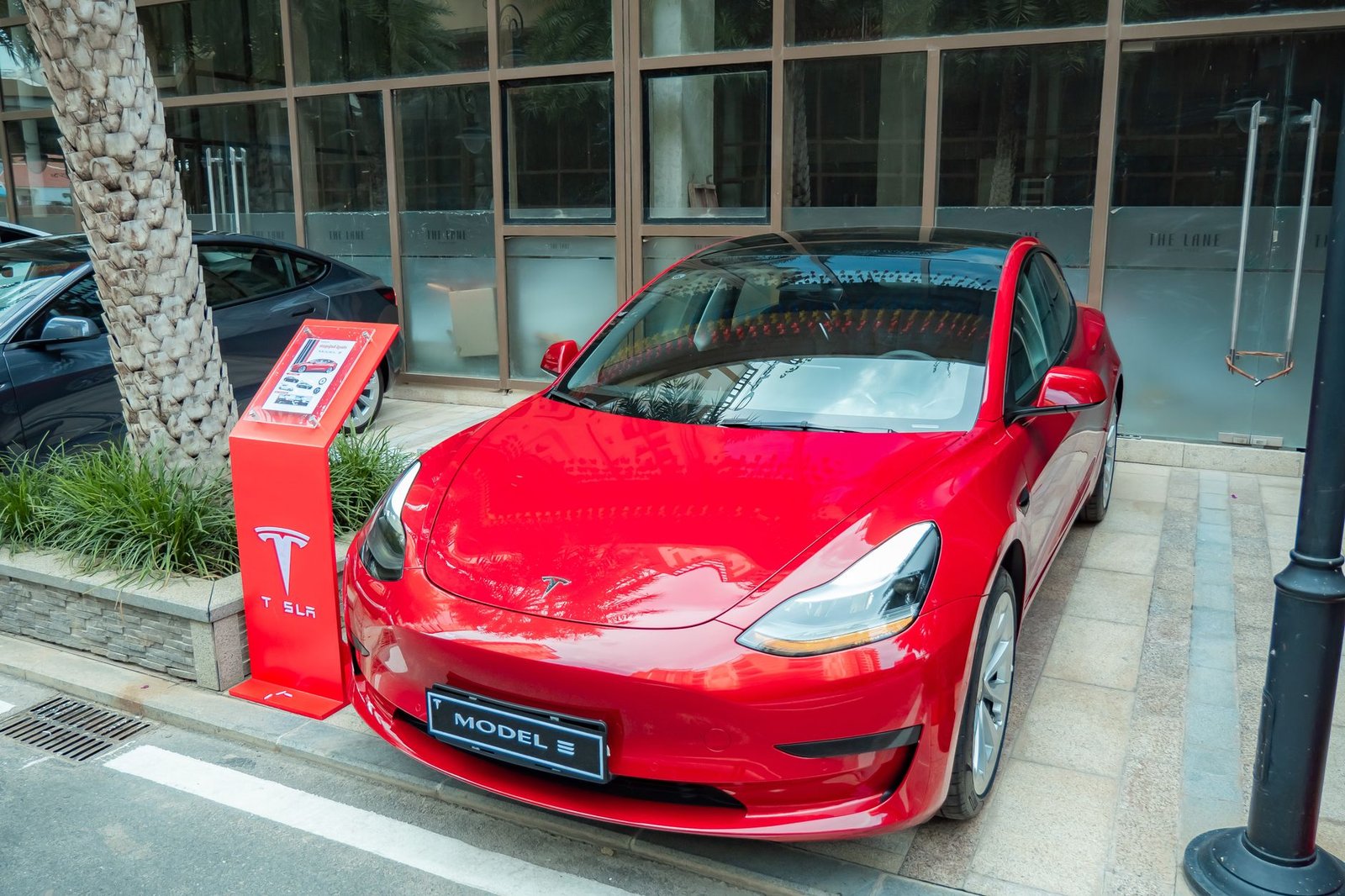
Excerpt: When Edmunds tested a rear-wheel-drive Tesla Model 3 and got 400 miles from a single charge, they beat the EPA rating by nearly 8%. That gap reveals more about testing constraints than Tesla’s technology.
The Test That Doesn’t Match Your Commute
A stock Tesla Model 3 with rear-wheel drive just traveled 400 miles on a single charge in Edmunds’ real-world testing. The EPA says that same car should manage 363 miles. That’s a 37-mile difference, or about 10% more range than the official number stamped on the window sticker.
Most buyers assume EPA range estimates represent conservative real-world performance. You might get a bit less in winter or on the highway, but the number should be close. When a vehicle consistently beats its rating by this margin, something else is happening. The gap isn’t about Tesla engineering magic. It’s about what the EPA testing protocol can and cannot measure.
How EPA Range Testing Actually Works
The EPA doesn’t drive electric vehicles 400 miles down a highway. They run them on a dynamometer, a sophisticated treadmill for cars, through a specific drive cycle that simulates city and highway driving. The Multi-Cycle test combines several shorter cycles: urban driving (FTP-75), highway speeds (HWFET), aggressive acceleration (US06), and air conditioning use (SC03).
Each cycle has fixed acceleration rates, specific speeds, and predetermined stop patterns. The FTP-75 city cycle averages 21 mph with frequent stops. The highway cycle maintains steadier speeds but tops out at 60 mph. The test happens in a climate-controlled laboratory at 68-86°F. No rain. No headwinds. No terrain variation.
After running these cycles, the EPA applies adjustment factors to account for real-world conditions the test doesn’t capture. For electric vehicles, they multiply the raw test results by 0.7 for combined range. That 30% reduction is supposed to cover everything the laboratory can’t replicate: temperature extremes, aggressive driving, actual highway speeds above 60 mph, passenger and cargo weight, and accessory loads beyond air conditioning.
The result is a single number that tries to represent average conditions for an average driver. But nobody is average.
The Speed Problem Nobody Talks About
Electric vehicles have a specific Achilles heel: aerodynamic drag increases with the square of velocity. Drive 70 mph instead of 60 mph, and you’re not using 17% more energy. You’re using closer to 36% more because you’re also pushing through more air resistance.
Real highway driving in most of the United States means 70-80 mph. The EPA highway cycle peaks at 60 mph. Some drivers routinely cruise at 85 mph where posted limits allow. The energy penalty is massive. A Model 3 that achieves 400 miles at an average speed of 55-60 mph might struggle to reach 280 miles when sustained speeds hit 80 mph.
If you drive carefully on slower roads, maintaining speeds closer to the test cycle profile, you can beat the EPA estimate. Drive at actual interstate speeds, and you’ll fall short. The official number lands somewhere in between, but it’s not particularly predictive for either driving style.
Temperature adds another layer. Lithium-ion batteries deliver less available energy when cold. Below 40°F, usable capacity can drop 10-30%. The battery management system restricts both charging and discharging rates to protect cell longevity. Running the heater draws additional power. The EPA test happens in a narrow temperature band that misses both summer heat and winter cold extremes.
What Edmunds Actually Measured
Edmunds conducts their range testing on a real road loop, not a dynamometer. They maintain a steady 65 mph average speed on a defined route until the battery depletes. Climate control stays at 72°F. No aggressive acceleration or heavy braking. It’s boring, controlled driving designed to isolate the efficiency variable.
Some EVs undershoot their EPA ratings by 10-15%. The rear-wheel-drive Model 3 exceeded its EPA estimate by roughly 10%. That spread, from vehicles missing their rating to others beating it by double digits, points to something more fundamental than testing methodology.
The answer involves thermal management systems, motor efficiency curves, and regenerative braking calibration. Tesla’s drive units maintain relatively flat efficiency across a wide operating range. Many competitors see steeper efficiency drop-offs at highway speeds. Tesla’s heat pump system moves heat with less parasitic energy loss than traditional heating and cooling loops. Regenerative braking recovery, particularly on Tesla’s newer vehicles, captures more energy during deceleration.
These advantages matter most in exactly the conditions Edmunds tests: steady-state highway driving in moderate weather. Push into temperature extremes, add aggressive acceleration, or cruise at 85 mph, and the advantages compress.
The Range Rating Trap
Most automotive journalists and many consumers treat EPA range estimates as the primary EV specification that matters. Manufacturers optimize for this number because buyers shop with it. But the constraint that actually determines daily usability isn’t maximum range. It’s charging infrastructure density and charging speed.
A vehicle with 250 miles of EPA range that charges at 250 kW and has access to reliable charging every 100 miles on major routes is more useful for long trips than a 400-mile vehicle that charges at 100 kW with sparse infrastructure. You spend less total time covering the same distance.
The fixation on headline range numbers has led manufacturers to install larger battery packs than necessary for most driving patterns. The average American drives 40 miles per day. A 200-mile range vehicle provides a 5x daily margin. Extending that to 400 miles doubles the battery size, weight, and material cost for minimal practical benefit to most users most days.
Weight is particularly problematic. The rear-wheel-drive Model 3 weighs approximately 3,862 pounds. The Long Range all-wheel-drive version with its larger battery pack weighs 4,034 pounds. Those extra 172 pounds of battery deliver 341 miles of EPA range versus 363 miles for the lighter vehicle. The heavier car actually has less range despite having more energy storage, because efficiency losses from the added weight and all-wheel-drive system outweigh the capacity gain.
What the Testing Gap Actually Reveals
When a Tesla Model 3 range test result beats the EPA rating by 37 miles, that doesn’t mean Tesla is sandbagging its official numbers or that EPA testing is broken. The test protocol produces a specific number under specific conditions, and real-world driving encompasses a much wider range of conditions.
The EPA could make the test more stringent. They could add cycles at 80 mph, test at 20°F and 95°F, include aggressive acceleration profiles. Each addition would make the rating more conservative, but it wouldn’t make the number more useful. A single rating cannot predict range across the full spectrum of driving styles, speeds, terrain, and weather conditions. Physics won’t allow it.
For buyers, understanding which variables push range up or down from the EPA baseline matters more than whether their specific driving conditions will match EPA estimates. Speed kills electric range more than anything else. Temperature matters, but mostly at extremes. Aggressive acceleration has less impact than most people assume because regenerative braking recovers much of that energy.
The Questions Worth Asking Instead
Rather than asking whether the Tesla Model 3 range number is accurate, buyers should ask different questions. What’s the round-trip range for my actual commute, including seasonal temperature impacts? Where are the charging stations between my home and the destinations I visit monthly? How long does charging take when I need it on a road trip?
For most buyers, the answers point to the same conclusion. Any modern EV with 250-plus miles of EPA range has sufficient capacity for daily driving and regional trips. Charging infrastructure and charging speed matter more than headline range for the 5-10 days per year when you drive beyond local range.
The rear-wheel-drive Model 3 hits a useful optimization point. It has enough range for 98% of daily driving needs. It’s lighter than the Long Range variant, which improves efficiency and handling. It costs $5,000 less. For buyers who have home charging and use the vehicle primarily for commuting and local errands, the smaller battery delivers better value.
Testing protocols reveal their limitations most clearly in their edge cases. When a vehicle beats its EPA rating by 10%, that’s an edge case. It tells you the test doesn’t capture what that vehicle does well. It also reminds you that the number on the window sticker is an estimate derived from a controlled laboratory procedure, not a guarantee of what you’ll experience on a cold morning driving 75 mph into a headwind.