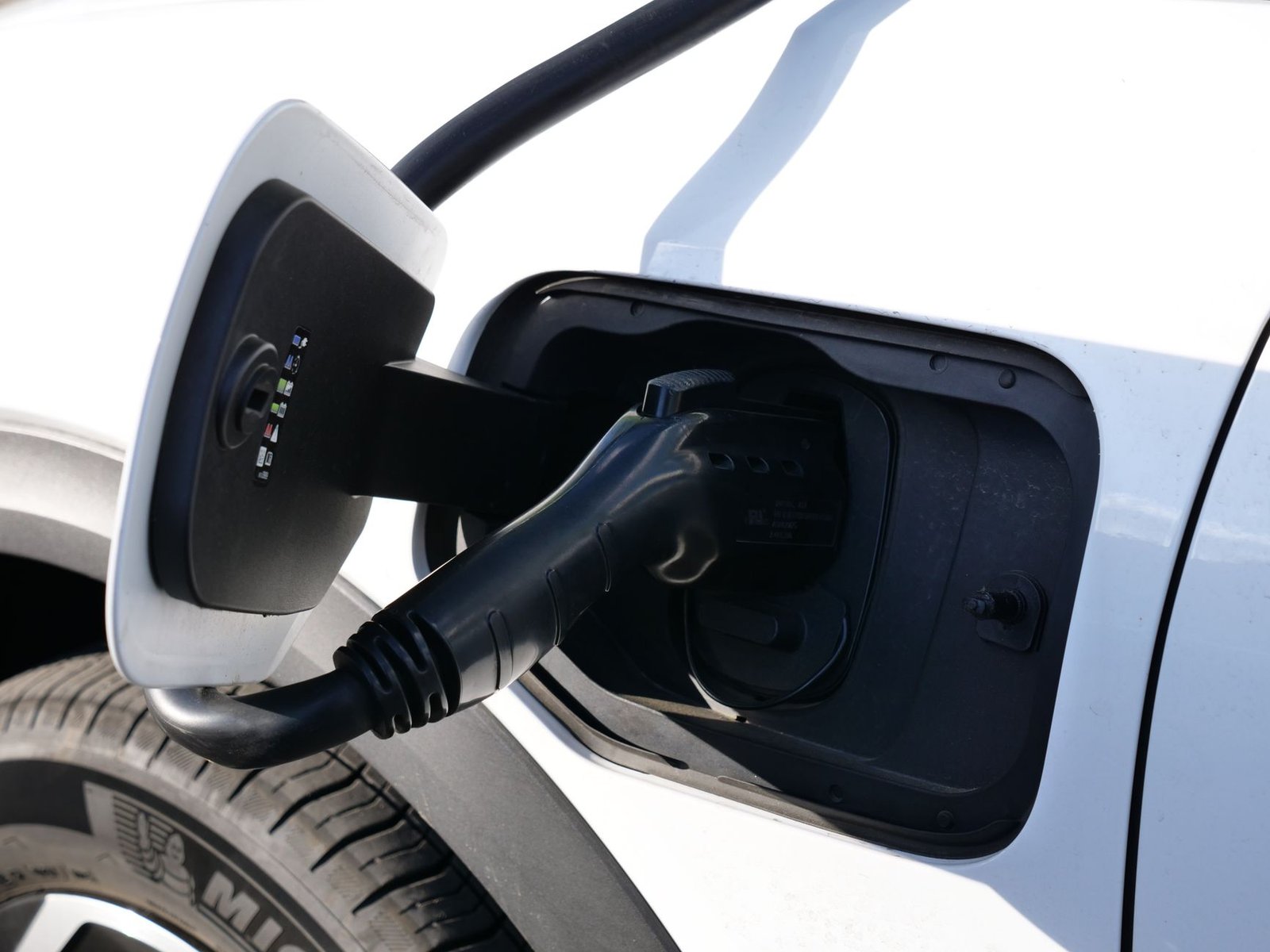
Schneider Electric released a NACS-equipped version of its Charge Pro commercial Level 2 charger. The product announcement itself is unremarkable. Another industrial equipment maker adds Tesla’s connector to a workplace charging solution. The interesting part is what didn’t happen: Schneider didn’t retrofit existing units. They shipped new hardware.
That decision exposes the core constraint in infrastructure transitions. When a connector standard changes, the installed base becomes a stranded asset unless someone pays for conversion. In residential charging, that cost falls on individual homeowners. In commercial deployments, it falls on fleet operators, property managers, or employers who installed J1772 chargers expecting a decade of service life. The Schneider Electric EV charger upgrade path doesn’t exist because backwards compatibility is expensive and the unit economics don’t support it.
No Retrofit Option
Schneider’s announcement framed the NACS addition as an upgrade. Technically accurate. But the company didn’t offer existing Charge Pro customers a retrofit kit or a trade-in program. If you installed a J1772-only Charge Pro, you own a J1772-only Charge Pro. The path to NACS compatibility is buying new equipment.
Commercial charging hardware carries a different depreciation schedule than consumer electronics. A workplace charging station is capital equipment with an expected service life of roughly 7-10 years. Property managers budget for these installations the way they budget for HVAC upgrades or parking lot resurfacing. The equipment cost is amortized. Early replacement means taking a write-down on undepreciated assets.
The gap between announcement and availability compounds the problem. Companies that purchased Charge Pro units before the NACS version launched now face a choice: accept that their charging infrastructure can’t serve the fastest-growing segment of EVs without adapters, or accelerate replacement cycles and absorb the cost.
Adapters Break the Workflow
The obvious workaround is adapters. Tesla and several third parties manufacture adapters that let a J1772 charging cable connect to a NACS-equipped vehicle. In theory, a workplace with J1772 chargers can hand out adapters to NACS-equipped drivers and solve the compatibility problem for a modest per-adapter cost.
Adapters introduce friction that commercial charging operators won’t tolerate. Workplace charging works when drivers can park and plug without thinking. The adapter step breaks that flow. Drivers forget adapters at home. Adapters get stolen from charging cables. Property managers face support tickets about lost or broken adapters. The simplicity that made workplace charging viable disappears.
Commercial fleet operators face worse dynamics. A delivery company running 50 electric vans needs charging to be reliable. One driver with a forgotten adapter means a vehicle leaves the depot with partial charge, cutting operational range and forcing route adjustments. The adapter solution that works for individual drivers fails in managed fleet contexts where reliability determines route planning.
Cable replacement offers a middle path. Some Level 2 chargers use modular cables that can be swapped without replacing the entire unit. But the Charge Pro uses an integrated cable. The connector type is fixed at manufacturing. Changing it requires replacing the charging head, which means replacing functional hardware.
Engineering Constraints
A NACS connector is physically smaller than a J1772 connector. The pin configuration differs. The signaling differs. Building a charger that supports both standards requires either dual charging heads (expensive, bulky) or a universal connector design that doesn’t yet exist in commercial products.
Dual-head chargers solve the compatibility problem by brute force. Two cables, two connectors, one power supply. Dual-head units cost meaningfully more than single-head units because you’re paying for duplicate hardware. Cable management gets complicated. Installation footprint grows. For commercial operators buying 20 or 50 units at a time, that premium compounds quickly.
Some manufacturers are exploring universal connectors that serve both connector types from a single cable. But such designs add complexity to the most failure-prone component of a charging station. Every moving part is a potential failure mode. Commercial operators prioritize reliability over flexibility because downtime is expensive.
Schneider chose the simpler path: manufacture NACS-native units and let market demand determine production mix. That decision makes sense for new installations but creates a bifurcated installed base. Properties with existing J1772 infrastructure face growing incompatibility as NACS adoption accelerates.
Fleet vs. Employee Charging
Buyer behavior splits by vehicle ownership model. Employees who drive personal EVs to work generally charge at home overnight and use workplace charging opportunistically. For them, connector type is a convenience issue, not a deal-breaker. If the workplace charger doesn’t match their vehicle, they skip workplace charging or bring an adapter.
Fleet vehicles tell a different story. Delivery vans, service trucks, and company cars operate on duty cycles where workplace charging is primary, not supplementary. These vehicles start each day at a depot or garage, charge overnight, and return with depleted batteries. Charging infrastructure needs to be reliable and compatible. Adapters add a failure point. Employees can’t be relied on to manage charging equipment. The system has to be plug-and-go.
Commercial properties face a related problem with visitor charging. Hotels, shopping centers, and office buildings install destination charging to attract EV drivers. The value proposition is simple: park and charge while you shop, work, or stay. Connector incompatibility undercuts that value. If a large and growing share of EV drivers can’t use the chargers without carrying adapters, the amenity becomes less attractive. Properties that installed J1772 chargers a few years ago now face an adoption curve problem.
Installation Timelines vs. Market Shifts
Commercial charging installations move slower than vehicle launches. A property manager who decides to add EV charging faces a months-long process: budget approval, vendor selection, electrical service upgrades, permitting, installation, and commissioning. By the time the chargers go live, the vehicle market has shifted.
That lag explains why J1772 chargers are still going in even as NACS becomes the de facto standard in North America. Projects approved a year or more earlier are being completed now. Specifications were locked in before the NACS transition accelerated. Changing specs mid-project means restarting procurement, which delays installations further.
The sequencing problem compounds over time. Early NACS adopters (Tesla buyers) have long needed adapters at non-Tesla charging sites. They’re used to carrying them. But as Ford, GM, and other manufacturers shift to NACS, the majority flips. Over time, J1772 becomes the minority standard requiring adapters. Properties that installed J1772 infrastructure built for a market that’s shrinking.
Schneider’s decision to ship NACS-native units rather than offer retrofits accelerates this shift. New installations get NACS. Old installations stay J1772. The installed base fragments, and compatibility becomes a patchwork determined by installation date.
Capital Planning Implications
The correct move for commercial properties is to delay installations if possible, or plan for shortened depreciation schedules if delay isn’t an option. Charging infrastructure installed today will face compatibility pressure over the next several years as NACS adoption accelerates. That pressure doesn’t mean the equipment stops working. It means the equipment serves a shrinking percentage of the EV market.
Properties that already installed J1772 chargers face a harder choice. Early replacement is expensive. Waiting means watching utilization decline as more drivers buy NACS-equipped vehicles. The break-even point depends on local EV adoption rates and fleet mix. In areas where Tesla dominates (California, the Pacific Northwest, parts of Texas), the shift to NACS is already visible. In regions with lower EV adoption, J1772 chargers may remain viable longer.
Infrastructure transitions create path dependence that punishes early movers. Companies that installed workplace charging in 2020-2022, before the NACS shift was clear, now own assets that are functionally aging out despite working perfectly. They paid to enable EV adoption and got stuck with the wrong standard.
Market-Driven Decision
Schneider Electric built what the market will buy next, not what the market bought last year. NACS is the emerging standard in North America. Building J1772-only chargers now would be selling into a declining market. The company’s job is to manufacture products people want to buy, not maintain backwards compatibility for installed bases.
For buyers, the message is clear. If you’re speccing commercial charging infrastructure now, specify NACS unless you have a fleet of J1772-only vehicles that won’t be replaced soon. If you installed J1772 chargers recently, plan for shortened service lives and factor replacement costs into your EV infrastructure budgets. The standard changed, and adapters won’t save you.
Connector standardization has real costs that someone has to absorb. In this case, property owners and fleet operators pay for the transition through stranded assets and accelerated replacement cycles. That’s the price of infrastructure transitions. The question is whether the transition happens fast enough to justify the cost, or whether we’re left with a fragmented installed base that nobody wanted.