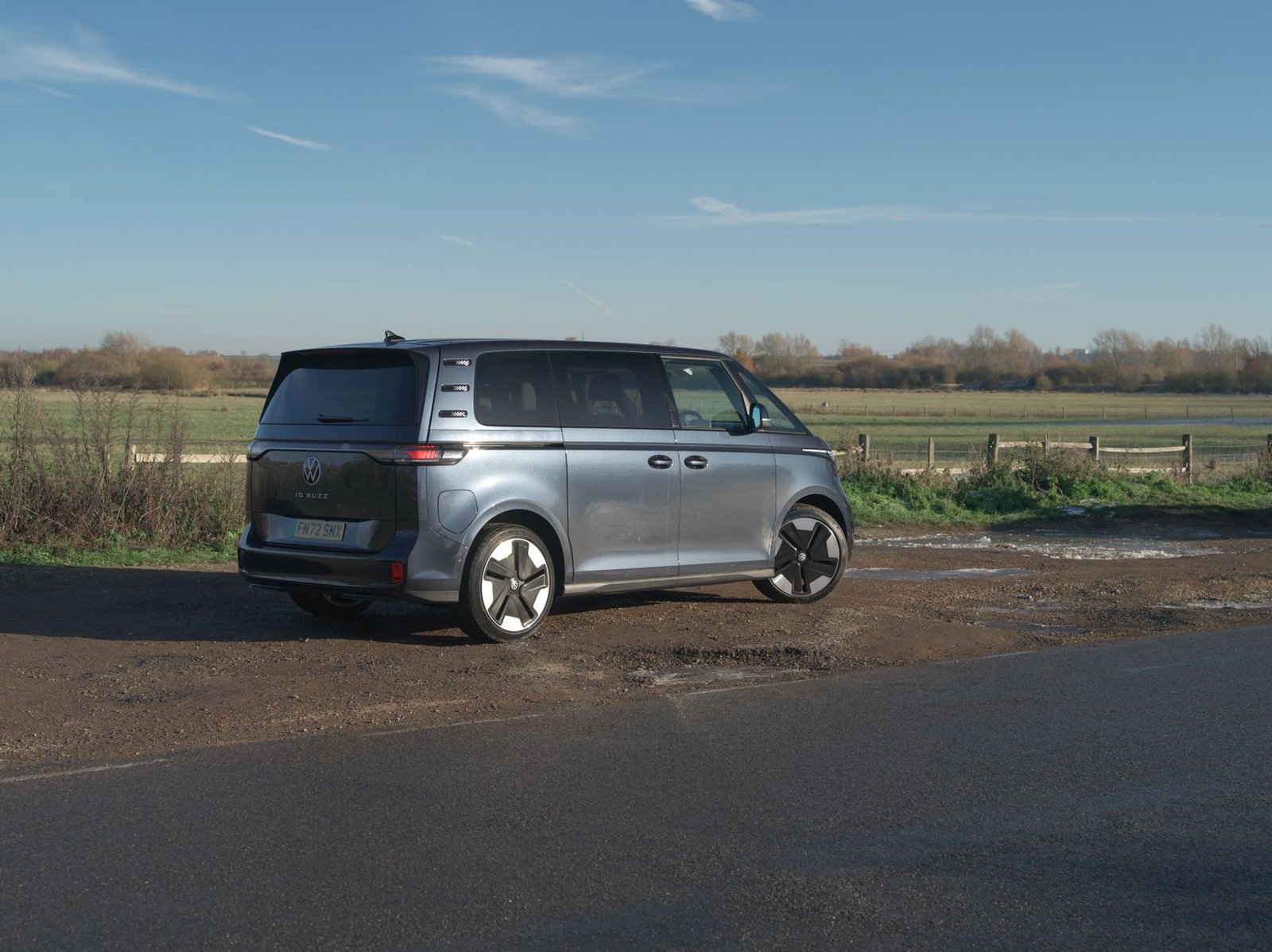
A colleague was shopping for an electric SUV last month and kept circling back to one number: 265 miles. That’s roughly what Volkswagen projects for the new ID Cross, their entry-level electric SUV, though it’s worth noting that figure reflects the European WLTP cycle, which typically runs optimistic compared to EPA numbers. She had never driven more than 180 miles in a day, but the number felt… insufficient. Not enough for a road trip. Not enough to feel confident. The VW ID Cross is coming to market with competitive specs on paper, but buyers keep asking: is that range number real, and does it actually change anything?
The 265-mile rating has become the new baseline anxiety trigger. It’s not 300 miles, which somehow sounds acceptable. It’s not 200 miles, which would be honest about what most people need. It’s stuck in the middle, where every buyer second-guesses themselves.
The Myth: You Need More Range Than You Think
The belief goes like this: electric vehicles need at least 300 miles of rated range to be practical for everyday use. Anything less requires constant charging vigilance, limits spontaneous trips, and leaves you stranded when the weather turns cold. The VW ID Cross, with its 265-mile rating, falls into what buyers perceive as the “anxious zone” between truly usable and perpetually worried.
This concern shows up everywhere. Forum discussions about the ID Cross devolve into range calculations within three posts. Dealership visits end with buyers asking about the long-range version that doesn’t exist. The number 265 gets treated like a warning label rather than a capability spec.
The math seems straightforward: subtract 20 percent for cold weather, another 15 percent for highway speeds, account for not charging past 80 percent, and suddenly 265 miles becomes roughly 150 miles of usable range. That, the reasoning goes, is barely enough for a day trip without charging anxiety.
The Driving Data Nobody Checks
The U.S. Department of Transportation tracks actual vehicle usage through the National Household Travel Survey. The data is boring and specific, which is why it matters. The average American drives roughly 30 to 40 miles per day. Not on road trips. Not during anomalous events. Every single day, averaged across the entire year.
Even the 95th percentile of daily driving sits around 100 miles. That means on 95 percent of all days, drivers cover less than that. The scenario where someone genuinely needs 265 miles of range in a single day without access to any charging occurs only a handful of times per year for the typical driver.
Plug-in hybrid owners provide another data point. Studies of Ford Fusion Energi owners, who have only about 20 miles of electric range, found that even with that limited capacity, owners drove a substantial share of their total miles on electricity alone. They plugged in at home, drove electric for daily use, and switched to gas only for longer trips. The lesson is that a small battery covers most daily driving when charging is convenient.
Tesla Model 3 owners with access to home charging typically report plugging in a few times per week rather than daily. They wake up with 200-plus miles of range, use 40-50 miles, and plug in again when it drops below half. The actual behavior looks nothing like the anxious daily charging cycle people imagine.
Cold weather range loss is real but overstated in buyer anxiety. AAA tested electric vehicles at 20 degrees Fahrenheit and found an average of roughly 40 percent range reduction with the heater running. But that figure represents a demanding scenario; most cold-weather driving occurs in the 30-50 degree range, where range loss is closer to 15-20 percent. A 265-mile vehicle loses roughly 40-50 miles in typical winter conditions, not 100 miles.
What Actually Causes Range Anxiety
The anxiety isn’t about the absolute number. It’s about uncertainty and the gas-car mental model. With gasoline vehicles, you learn to ignore range until the tank hits one-quarter full. The gas station network is ubiquitous enough that range becomes invisible infrastructure.
Electric vehicles flip that model. You think about charging every day, even when you don’t need to charge. The VW ID Cross will spend most nights sitting in a garage at 60 percent charge, which represents around 160 miles. That’s four days of average driving. But the owner still thinks about it, because the behavior pattern is different.
Public charging infrastructure feeds the anxiety through unpredictability. A gas station either has gas or it doesn’t. A charging station might be occupied, broken, slower than advertised, or incompatible with your vehicle’s charging connector. This uncertainty makes buyers add mental buffer to their range requirements. The 265 miles becomes “I need 300 miles because I can’t trust the charging network.”
Rental patterns illustrate the same effect. Renters who keep an EV for only a day or two consistently overestimate their charging needs, while those who keep it for a week tend to stop worrying about range within a few days, once they realize their actual daily usage. Familiarity, not battery size, resolves most of the anxiety.
The Part That Is Real
Road trips expose the limitation. The VW ID Cross will require a charging stop on any trip over roughly 200 miles, and that stop will take 25-35 minutes rather than five minutes at a gas station. Highway driving at 75 mph drops the effective range to roughly 210-220 miles, forcing a stop before you’d prefer one.
Apartment dwellers without home charging face a different calculation entirely. Without overnight charging at home, that 265-mile range needs to last through multiple days of driving plus a trip to a charging station. The mental overhead changes completely when charging requires a dedicated trip rather than plugging in while you sleep.
Charging infrastructure gaps remain real in rural areas. Parts of the Midwest have stretches of highway with 80-100 miles between fast chargers. A 265-mile vehicle provides adequate buffer, but the margin shrinks in winter. The anxiety isn’t irrational when you’re calculating whether you can make it from Des Moines to Omaha in January.
Why the 300-Mile Threshold Became Gospel
Tesla helped set the psychological benchmark. The original Model S launched with variants rated around 208 and 265 miles, and the top 265-mile figure became a talking point in the market. As longer-range versions arrived and crept past 300 miles, that number gradually became the “acceptable” threshold through market repetition, not through any analysis of actual driving needs.
Automotive journalists reinforced it. Vehicle reviews consistently praise anything over 300 miles and criticize anything under it, regardless of the vehicle’s actual use case. A commuter SUV gets judged by the same range standard as a road-trip sedan, even though the usage patterns differ completely.
The phenomenon has a name in behavioral economics: anchoring. The first number you encounter becomes the reference point for all subsequent judgments, even when that initial number had no logical basis. The 300-mile threshold is arbitrary, but it’s now the anchor across the entire market.
What the Numbers Actually Support
For a vehicle with home charging that serves as primary transportation for daily use, 200 miles of rated range covers the overwhelming majority of driving needs. The VW ID Cross’s roughly 265-mile rating adds a comfort buffer without requiring the larger battery, additional weight, and higher cost of achieving 300-plus miles.
The practical question isn’t whether 265 miles is enough. It’s whether you have home charging, whether your annual road trips are flexible enough to accommodate 30-minute charging stops, and whether the price premium for 50 extra miles of range provides better value than simply renting a different vehicle for the handful of long trips per year where it would matter.
The range anxiety is real as an emotional experience. The range limitation is mostly fictional as a practical constraint. Buyers consistently overestimate their range needs, then discover after ownership that they rarely use even half of their vehicle’s capacity. The 265-mile rating becomes plenty when you realize you’re recharging at half-empty rather than running it to zero.