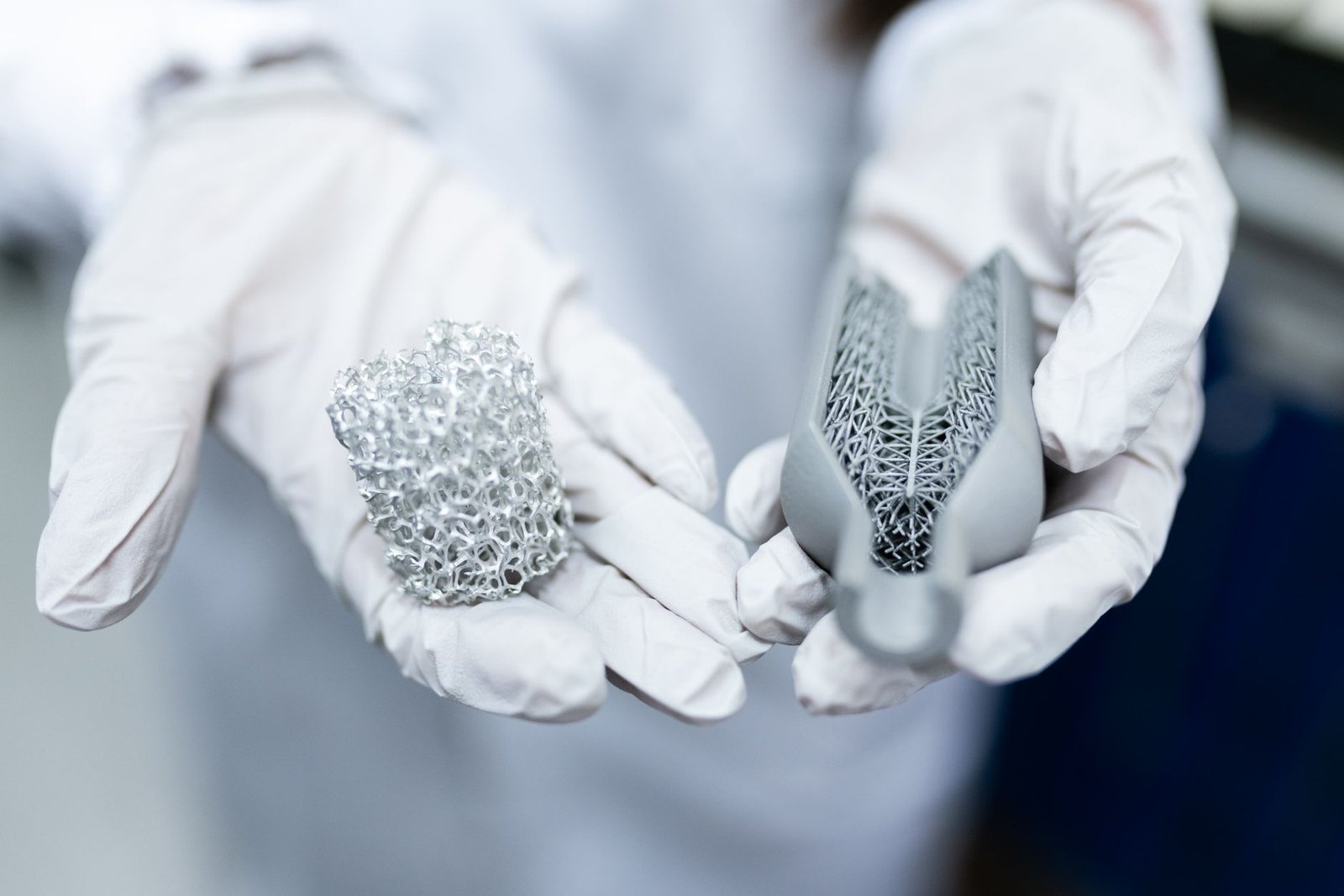
Nissan just committed to a three-year partnership with Gelion, an Australian battery startup, to develop low-cost solid-state batteries that the companies claim will undercut Chinese production costs. The announcement positions this as a strategic response to China’s manufacturing dominance in lithium-ion cells. But strip away the press release language and you’re left with a capital allocation puzzle: Nissan, a company that lost $2.7 billion in fiscal 2024, is now funding exploratory work on a technology that Tesla abandoned and Toyota keeps delaying.
What Nissan Actually Announced
The collaboration focuses on Gelion’s zinc-bromide solid-state chemistry, which replaces liquid electrolytes with solid compounds. Gelion claims its approach sidesteps the thermal management problems and dendrite formation that plague lithium metal anodes in conventional solid-state designs. Nissan will provide engineering resources and manufacturing expertise. Gelion supplies the intellectual property and lab-scale prototypes.
Neither company disclosed investment figures, production timelines, or target specifications for energy density. The term “low-cost” appeared repeatedly in the announcement, but without price anchors or cost breakdowns relative to current lithium-ion cells at $100-120/kWh. Marketing language about being “cheaper than China” substitutes for engineering validation or factory economics.
Solid-state batteries promise higher energy density and faster charging than lithium-ion, but the technology remains stuck in pilot production. No automaker has shipped solid-state cells at scale. Toyota announced plans for limited production by 2027. BMW partnered with Solid Power but hasn’t committed to volume production. Nissan itself has been researching solid-state technology since 2011 without commercial deployment.
The Core Capital Discipline Problem
Nissan’s financial position makes this partnership harder to justify. The company announced plans to cut 9,000 jobs and reduce production capacity by 20% in November 2024 after posting a 90% drop in operating profit. Free cash flow turned negative. Inventory levels climbed while U.S. dealers complained about aging Leaf models sitting unsold.
In that context, funding multi-year battery research competes with immediate operational needs: updating the Ariya’s thermal management, fixing the Leaf’s obsolete CHAdeMO charging standard, or investing in factory automation to lower production costs. These are known problems with measurable returns. Solid-state batteries remain speculative.
The partnership structure adds risk. Gelion operates as a pre-revenue technology company. Its zinc-bromide chemistry differs fundamentally from the lithium-metal solid-state designs that dominate research spending industry-wide. If the approach works, Nissan shares the intellectual property. If it fails, Nissan absorbs the engineering hours and opportunity cost while competitors focus capital on refining existing lithium-ion production.
Capital allocation in automotive manufacturing rewards operational excellence over moonshots. Toyota’s hybrid dominance came from perfecting the Prius powertrain across 20 years and 18 million units, not from betting on fuel cells early. BYD’s cost advantage stems from vertical integration in lithium-iron-phosphate cells, not novel chemistry. Nissan’s solid-state battery project inverts this logic. It chases a cost advantage through unproven technology rather than manufacturing discipline.
Why Solid-State Economics Don’t Add Up Yet
Solid-state batteries face three interlocking production constraints that current lithium-ion technology has already solved. Understanding these constraints clarifies why commercial deployment keeps sliding.
First, solid electrolytes require intimate contact between solid layers to conduct ions. Lithium-ion cells achieve this naturally because liquid electrolytes flow into electrode pores. Solid-state cells must mechanically press layers together under precise pressure and temperature. This adds process steps and capital equipment costs. At scale, each additional process step translates to throughput reductions and yield losses.
Second, dendrite formation accelerates in solid-state designs despite marketing claims about superior safety. Lithium metal anodes develop crystal structures that penetrate solid electrolytes during repeated charge cycles. This creates short circuits. Current mitigation strategies involve protective coatings or composite materials that add cost and reduce energy density gains. Gelion’s zinc-bromide chemistry theoretically avoids lithium dendrites, but zinc-based cells face their own challenges including lower voltage output and zinc dendrite formation at high current densities.
Third, manufacturing yield rates for solid-state cells lag lithium-ion by orders of magnitude. Contemporary Amperex Technology Co. Limited (CATL) achieves 95%+ yields on lithium-iron-phosphate cells through automated assembly lines refined over billions of units. Solid-state production operates at lab scale with hand-built prototypes. Scaling from 100 cells per year to 100,000 cells per year compounds every materials inconsistency and process variation.
These constraints manifest in cost structures that defy the “cheaper than China” framing. Chinese lithium-ion production costs hit $80/kWh for certain chemistries because of factory scale, raw material access, and equipment amortization over high volumes. Solid-state costs remain above $400/kWh even in optimistic projections. Gelion’s zinc chemistry might reduce materials costs, but that’s one input among many. Process complexity and low yields dominate total cost.
What Buyers Actually Optimize For
Car buyers evaluate batteries through range, charging speed, warranty length, and replacement cost. Solid-state technology offers marginal improvements in the first two categories while introducing unknowns in the last two.
Range anxiety drives early EV purchase decisions, but the threshold for “enough” stabilizes quickly. Buyers accept 250-300 miles of EPA range as sufficient for daily use once charging infrastructure reaches minimal density. Beyond that threshold, additional range provides diminishing utility unless road trip frequency justifies it. The Tesla Model 3 Standard Range sells despite offering less range than competitors because 272 miles meets most use cases at a lower price point.
Charging speed matters more than battery chemistry in the purchase calculus. A car that charges from 10% to 80% in 18 minutes beats one that charges in 25 minutes, regardless of whether solid-state technology enabled the improvement. But charging speed depends on thermal management, pack architecture, and charging network power delivery as much as cell chemistry. Solid-state cells complicate thermal management because solid electrolytes conduct heat poorly. This creates cooling challenges that offset other advantages.
Warranty coverage and replacement cost remain unresolved for solid-state batteries. Lithium-ion packs carry 8-year/100,000-mile warranties as standard because degradation behavior is well-characterized. Automakers know how cells age and can price warranty risk accurately. Solid-state degradation mechanisms remain poorly understood outside laboratory conditions. Insurance companies and fleet operators won’t touch unproven warranty exposure at scale.
How Capital Should Flow Instead
Nissan’s partnership with Gelion reflects strategic desperation more than disciplined investment. The company trails in EV market share, faces profitability pressure, and watches Chinese automakers like BYD expand aggressively into global markets. Announcing a solid-state battery initiative signals technological ambition to investors and media. But signaling value differs from creating it.
Better capital allocation would target Nissan’s known weaknesses in current EV execution. The Ariya’s thermal management limits DC fast charging speed below competitors. The Leaf uses CHAdeMO charging instead of the CCS standard that dominates North America and Europe. Nissan lacks a North American battery supply agreement despite Inflation Reduction Act incentives favoring domestic production. Each of these problems has defined solutions and measurable ROI.
If Nissan wants cost parity with Chinese production, the path runs through factory automation and supply chain integration, not exotic battery chemistry. BYD’s cost advantage comes from owning battery production, controlling raw material sourcing, and operating purpose-built EV factories. Tesla’s margin improvement through 2023-2024 came from production efficiency gains at existing factories, not battery breakthroughs.
The strategic reframe requires accepting that battery cost curves follow manufacturing learning rates, not laboratory discoveries. Costs decline when you build the 10 millionth cell better than the first million cells. Solid-state technology restarts the learning curve at zero. For a company bleeding cash, restarting the learning curve trades near-term viability for long-term optionality that may never materialize.
What This Actually Teaches
Nissan’s solid-state battery partnership reveals how automakers confuse research programs with competitive strategy. Announcing technology collaborations generates headlines. But converting announcements into profitable products requires capital discipline that distinguishes exploration from exploitation.
The capital allocation lesson is straightforward: fund research when your core business generates surplus cash. Cut research when operations struggle. Nissan’s financial position argues for focus over diversification. The company needs to ship better EVs with current technology, not bet on future technology that solves different problems than buyers face today.
Solid-state batteries will eventually matter. But eventually doesn’t pay this quarter’s bills or defend market share against BYD’s $10,000 EVs. Until Gelion demonstrates commercial viability at scale, Nissan’s partnership looks like an expensive hedge against a future that may not arrive before the company’s next restructuring.