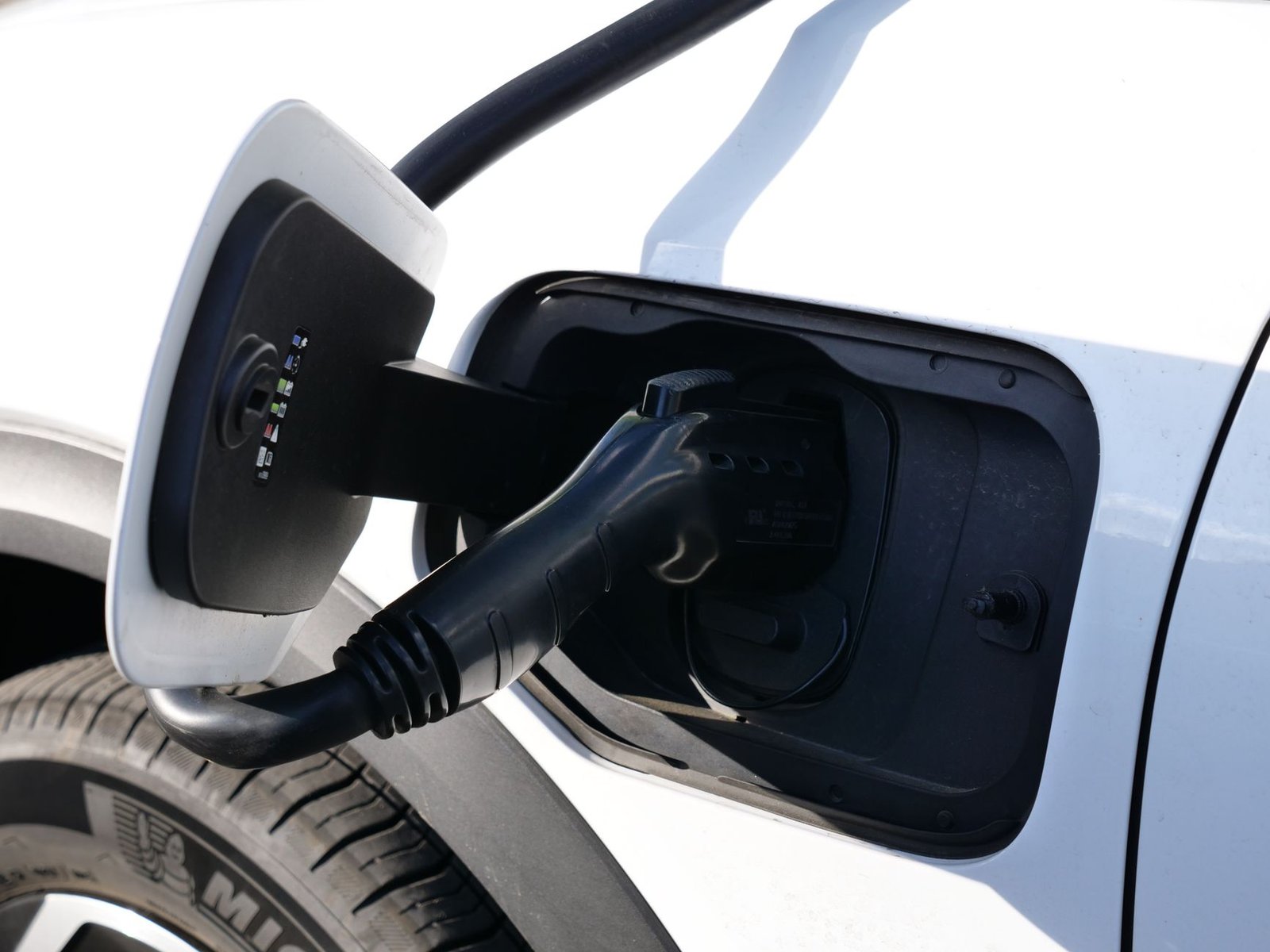
A tiny electric pickup from a startup nobody has heard of just confirmed 400 kW sustained charging. The Telo electric truck will refill its battery faster than most vehicles three times its price. That speed didn’t happen by accident, and the sequence matters more than most people realize.
Most automakers treat fast charging as the last specification they add to an electric vehicle. Design the vehicle, choose a battery supplier, figure out thermal management, then see how fast the resulting system can charge without overheating. Telo reversed the process. They started with 400 kW as a requirement and built everything else around that number. The approach reveals how path dependence works in EV engineering: the order you make decisions determines what problems you can solve later.
The Split-Pack Architecture
Telo built their battery as two separate 400V packs that connect in series to charge at 800V. Most DC fast chargers output 400V to 500V. An 800V vehicle charging on a 400V station has to boost the voltage, which adds conversion losses and can limit charge speed.
The dual-pack setup sidesteps that problem. On an 800V charger, both packs charge in series at full speed. On older 400V infrastructure, the system can reconfigure to charge each pack in parallel, maintaining higher power delivery than a pure 800V architecture could manage on the same station. The truck speaks both charging languages natively.
Reconfigurable battery architectures have appeared in motorsport and high-end EVs, and similar switching concepts have been explored in racing applications. The unusual part is deploying it in a vehicle designed for people who need to haul plywood from Home Depot. The engineering cost is significant. You need additional contactors, more complex battery management software, and thermal systems that can handle heat generated across multiple locations. Most manufacturers avoid this complexity unless they have a specific reason to embrace it.
The Thermal Management Constraint
Charging at 400 kW for longer than a few minutes requires moving enormous amounts of heat away from battery cells. A typical EV battery pack generates several kilowatts of waste heat during fast charging. Higher charge rates increase that figure substantially. The heat has to go somewhere, and it has to leave fast enough that cell temperatures stay in a safe operating window, generally below about 45-50°C.
The Telo electric truck uses immersion cooling, where battery cells sit in direct contact with dielectric cooling fluid. Cold plates, the standard approach in most EVs, run coolant through metal plates attached to the battery modules. Immersion cooling costs more and adds weight from the fluid itself, but it can remove heat more uniformly across all cells.
The thermal capability creates a cascade of requirements upstream. You need more radiator capacity to reject heat to ambient air. You need more powerful pumps to circulate cooling fluid fast enough. You need cells with chemistry that can accept high charge rates without degrading rapidly, which usually means trading some energy density for power capability. Each decision constrains what comes next.
Most manufacturers design thermal systems after they choose cells and pack layout. Telo had to choose cells specifically rated for sustained high-power charging, then build cooling around that requirement. Not many manufacturers produce cells rated for sustained high C-rate charging, and those that do charge premium prices. The path-dependent choice is accepting lower energy density to enable higher power.
Where This Exists Today
Very few vehicles sustain 400 kW charging in real-world conditions. The Porsche Taycan peaks around 270-320 kW under ideal circumstances depending on the model year. The Hyundai Ioniq 6 peaks at roughly 235 kW when the battery is preconditioned and state of charge is low. The Lucid Air can charge above 300 kW briefly but rarely sustains that rate for long.
The gap between peak and sustained matters enormously. Marketing materials tout peak charge rates that most vehicles hold only briefly before thermal limits force power down. Sustained charging, measured over a complete 10% to 80% charging session, tells you what happens when you stop at a rest area with 40 miles of range left.
Electrify America operates roughly 1,000 charging stations, many with 350 kW cabinets installed. EVgo’s fast-charging network is smaller and historically capped lower, though it has been adding higher-power sites. Much of the US charging network still peaks at 150 kW. Building a vehicle around 400 kW capability only makes sense if you believe infrastructure will catch up within the vehicle’s lifetime, or if charging speed provides enough competitive advantage to justify the engineering cost even when most stations can’t deliver full power.
The Misconception About Battery Size
Most coverage assumes fast charging capability scales with battery size. Bigger battery equals more cells equals more surface area to absorb current equals faster charging. The Telo truck undermines that logic. Details on total battery capacity remain unconfirmed, but the vehicle’s compact size suggests a pack in the rough range of 60-80 kWh. At 400 kW, that implies a charge rate around 5-6C, compared to roughly 2-3C peak for most EVs.
Heat removal per cell is the actual constraint, not total pack capacity. You can charge a small battery extremely fast if you can cool it aggressively enough. The Telo approach suggests they optimized for power density rather than energy density: fewer total cells, each capable of higher charge rates, with more intensive cooling per cell.
The Telo electric truck likely has shorter range than competitors with similar-sized battery packs if it chose cells optimized for power rather than energy storage. Shorter range matters less if you can add a large chunk of range in roughly ten minutes. The path-dependent decision is sacrificing maximum range to enable minimum charging time. You cannot fully optimize for both simultaneously with current cell chemistry.
What Future Charging Networks Need
The dual-voltage architecture only makes sense in a world where both 400V and 800V charging infrastructure coexist for years. If you believed the industry would standardize on 800V within three years, you would skip the complexity and build a pure 800V vehicle. Telo’s design assumes fragmented infrastructure for the next decade.
That assumption has evidence behind it. Replacing or upgrading existing fast-charging cabinets is expensive, often tens of thousands of dollars per unit once utility and installation upgrades are included. Charging networks will keep 400V-capable infrastructure operational as long as vehicles need it, which means as long as older EVs remain on the road. The installed base of 400V vehicles creates a lock-in effect where infrastructure cannot fully transition until those vehicles age out of service.
The path-dependent trap works both ways. Vehicles designed only for 400V charging will underperform on future 800V networks. Vehicles designed exclusively for 800V can charge slowly on current 400V infrastructure if they lack efficient onboard conversion. The dual-voltage approach is an expensive hedge against being trapped on the wrong side of that transition.
Watch the Charging Curve
When Telo releases detailed specifications, the critical number is not peak charge rate. Look for the sustained power delivery from 20% to 60% state of charge. That window represents the most common real-world charging scenario: arriving with some reserve range and adding enough charge to reach your destination comfortably.
Watch battery warranty terms too. Sustained high-power charging tends to degrade cells faster than slower charging, even with aggressive cooling. Manufacturers sometimes limit warranty coverage for batteries charged at high rates above a certain frequency. If Telo offers unrestricted warranty coverage for frequent 400 kW charging, it signals genuine confidence in their thermal management system. If they include usage restrictions in warranty fine print, the system can handle 400 kW but probably shouldn’t do it regularly.
Production timeline is the final indicator. Every month of delay may mean revising thermal management systems after testing reveals problems. Fast charging at this power level is easy to claim and hard to deliver consistently without degrading the battery. Whether Telo ships vehicles that charge this fast, repeatedly, in Arizona summer heat, determines whether their path-dependent bet on speed-first design was correct.