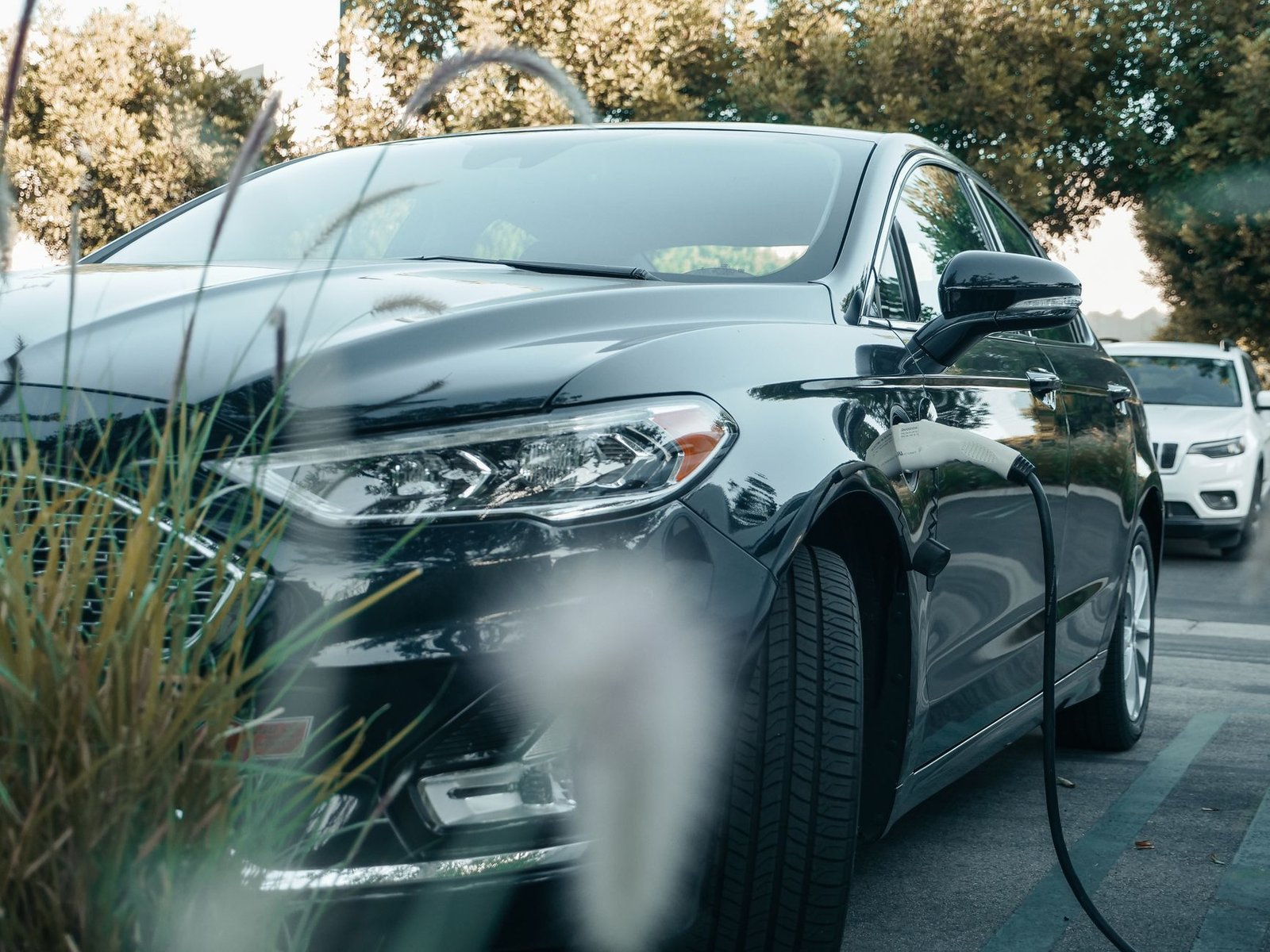
BYD just announced a plug-in hybrid hatchback for Europe with 65 miles of electric-only range. That’s more battery capacity than most dedicated electric city cars sold a few years ago, bolted onto a car that also has a gasoline engine. The Dolphin G DM-i costs less than a comparable pure EV and promises 646 miles of combined range. If you squint at the specs, this looks less like a compromise vehicle and more like someone ran the numbers on what most drivers actually need and built exactly that.
Which raises an uncomfortable question for the EV industry: what if plug-in hybrids, not pure battery electrics, are the rational economic choice for the majority of car buyers?
The Economic Logic of 65 Electric Miles
BYD’s plug-in hybrid strategy centers on a specific insight about driving patterns. Most people drive less than 40 miles per day. The U.S. Department of Transportation pegs the average at 39 miles. European drivers cover similar distances. A plug-in hybrid with 65 miles of electric range covers that entire daily loop on electricity alone, with gasoline standing by for the occasional road trip.
The economics get interesting here. A 65-mile electric range requires roughly 15-20 kWh of usable battery capacity, depending on efficiency. That’s about one-quarter the pack size of a mid-range pure EV like a Tesla Model 3 or Volkswagen ID.4, which carry 60-80 kWh. Battery packs currently cost automakers $100-130 per kWh at the pack level, including cells, assembly, and integration. A smaller pack means lower material costs, which translates directly to a lower sticker price.
The gasoline engine adds cost and complexity, but not as much as you’d think. Modern four-cylinder engines, produced at massive scale, cost manufacturers roughly $1,500-2,500 per unit. Battery savings on a plug-in hybrid more than offset the engine cost compared to a pure EV with equivalent total range capability.
This is the calculus BYD is betting on. Build a car that runs electric for daily driving, costs less than a pure EV, and eliminates range anxiety completely. Fuel cost savings come from running on electricity most of the time, not from eliminating gasoline entirely.
Why Most Automakers Abandoned This Path
If BYD’s plug-in hybrid economics make so much sense, why did so many automakers just abandon them? Stellantis discontinued every plug-in hybrid it sold in North America: the Jeep Wrangler 4xe, Jeep Grand Cherokee 4xe, Chrysler Pacifica Hybrid, Alfa Romeo Tonale, and Dodge Hornet. Volkswagen is scaling back. Ford killed the Fusion Energi years ago.
The answer has more to do with manufacturing strategy than consumer economics. Building both plug-in hybrids and pure EVs requires maintaining two complete powertrain production lines. You need battery assembly capacity, electric motor production, power electronics, and thermal management systems for both. But you also need engine plants, transmission facilities, fuel systems, and exhaust aftertreatment for the plug-in hybrids. Every model in the lineup that isn’t fully standardized on one powertrain architecture adds cost and complexity to your manufacturing footprint.
Western automakers made a strategic choice: betting everything on pure EVs would let them consolidate around a single powertrain architecture, simplify manufacturing, and potentially achieve better economies of scale. But this strategy only works if consumers actually want to pay pure EV prices, and if charging infrastructure develops fast enough to make range anxiety obsolete. Both of those conditions remain uncertain in 2024.
BYD took the opposite bet. The company already manufactures both battery electric vehicles and plug-in hybrids at scale in China. Adding another plug-in hybrid variant to the lineup doesn’t require building new manufacturing capabilities. The incremental cost of offering one more PHEV model is relatively low when you’re already tooled up to build them. This is the advantage of scale and manufacturing flexibility that Chinese automakers have built over the past decade.
The Pacifica Fire Problem Nobody Wants to Talk About
There’s a technical reason Western automakers might be quietly relieved to exit the plug-in hybrid business, even if they won’t say it out loud. In 2022, Chrysler recalled 16,741 Pacifica plug-in hybrid minivans built between 2017 and 2021. The issue: battery cells that could fail internally and catch fire, even when the vehicle was turned off and unplugged. The company advised owners to park outside and stop charging immediately.
The root cause traced to specific battery cells from LG Energy Solution, manufactured during certain periods. This points to a deeper challenge with plug-in hybrids: they combine the fire risks of both gasoline and high-voltage batteries in a single vehicle. The battery pack in the Pacifica held 16 kWh, similar to what BYD’s new 65-mile PHEV likely uses, but still enough energy to cause serious damage if thermal runaway occurs.
BYD has its own battery division (FinDreams) and manufactures its own cells using lithium iron phosphate (LFP) chemistry. LFP cells are more thermally stable than the nickel-based cells LG supplied to Chrysler, though they store less energy per kilogram. BYD accepts lower energy density in exchange for better thermal stability and complete supply chain control. When you make your own battery cells, you don’t get surprised by problems from a supplier’s quality control issues.
What the EPA Numbers Hide
The 65-mile electric range claim for the BYD Dolphin G DM-i is almost certainly a WLTP (Worldwide Harmonized Light Vehicles Test Procedure) number, the standard used in Europe and China. WLTP consistently produces more optimistic range figures than the EPA test used in the United States. A WLTP rating of 65 miles would likely translate to roughly 50-55 miles under EPA testing, maybe less in cold weather.
The 646 miles of combined range is even more misleading. That number assumes you start with a full battery and a full gas tank, drive until the battery depletes, then continue on gasoline until the tank runs dry. It’s technically accurate but not particularly meaningful. What matters is the percentage of your actual driving that happens on electricity versus gasoline, and that depends entirely on how often you plug in.
Plug-in hybrids get complicated here. If you charge every night and drive less than 50 miles per day, you might go months without burning gasoline. Your effective fuel economy could exceed 100 MPGe. But if you rarely charge, you’re just driving a heavier, more expensive hybrid with worse fuel economy than a standard Toyota Prius. Multiple studies have shown that real-world plug-in hybrid owners charge less often than automakers assume, meaning actual fuel consumption often exceeds the EPA estimates by a wide margin.
BYD’s pricing strategy in Europe will determine whether the Dolphin G DM-i actually delivers on its efficiency promise. If the plug-in hybrid costs significantly less than a pure EV, buyers might tolerate the charging discipline required to maximize electric driving. If the price gap narrows, the extra hassle of managing two fuel sources becomes harder to justify.
Watch the Warranty, Not the Range
When BYD announces warranty terms for the Dolphin G battery pack, that will tell you more about the company’s confidence in its technology than any range claim. Chrysler extended the Pacifica plug-in hybrid battery warranty to 10 years and 150,000 miles after the recall. That’s an expensive commitment, driven by legal liability rather than engineering confidence.
Chinese automakers entering Western markets typically offer aggressive warranties to overcome brand skepticism. If BYD matches the 8-year, 100,000-mile battery warranty common on pure EVs, that suggests confidence in the LFP chemistry and manufacturing quality. If the warranty is shorter or has more exclusions, start asking questions about expected battery degradation and replacement costs.
Also watch for details on charging speed. The Pacifica plug-in hybrid maxed out at 6.6 kW, meaning a full charge took about 2.5 hours on a Level 2 home charger. That’s adequate for overnight charging but frustrating if you want to top up during the day. A 65-mile BYD plug-in hybrid battery would need similar charging speeds, possibly faster if the pack is larger. Faster charging adds cost to the onboard charger and requires more sophisticated thermal management.
The real test comes in three to five years, when enough Dolphin G vehicles accumulate mileage to show long-term battery degradation patterns. Pure EV batteries typically retain 80-90% of original capacity after 100,000 miles. Plug-in hybrid batteries, which cycle more frequently (draining to near-empty every day rather than staying in the moderate state-of-charge range), may degrade faster. Or they may not, if BYD’s battery management system is sophisticated enough. The data doesn’t exist yet.