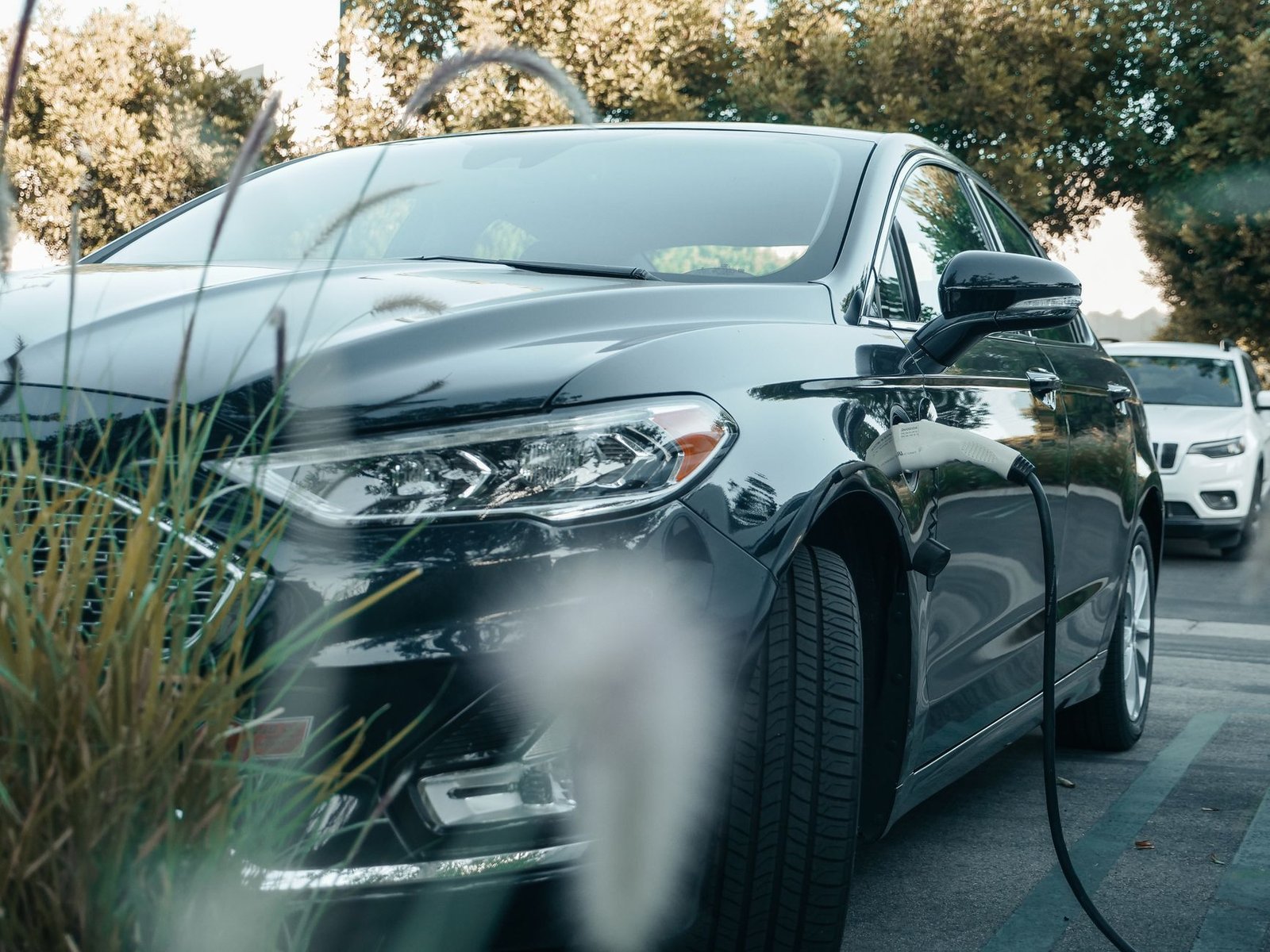
A Chrysler Pacifica Plug-in Hybrid owner in suburban Detroit gets home from work, plugs in the minivan in their attached garage, and goes inside to make dinner. Three hours later, while the family is asleep, the battery pack ignites. No warning light, no alert on the app, just thermal runaway in a 16-kilowatt-hour pack sitting fifteen feet from the living room. This scenario is why Chrysler just recalled 17,277 Pacifica hybrids and told owners to park outside and stop charging. The Pacifica hybrid recall exposes a manufacturing quality problem that Stellantis can’t fix with software, and it arrives at exactly the moment the company decided to kill off every plug-in hybrid in its North American lineup. The timing raises a bigger question: did Stellantis abandon PHEVs because customers didn’t want them, or because making them reliably was harder than anyone admitted?
The Battery That Fails When You’re Not Looking
The affected Pacifica hybrids were built between August 2020 and May 2021. They contain battery cells from LG Energy Solutions that were produced on what Chrysler describes as an “alternative assembly line.” The main production line’s cells are fine. The alternative line’s cells can fail internally and enter thermal runaway, even when the vehicle is off and unplugged. Chrysler has three customer assistance records and four field reports tied to the issue, but zero accidents, injuries, or deaths so far. That’s the good news. The bad news is that a battery fire in your garage doesn’t wait for you to notice a check engine light.
The recall affects vehicles with a specific manufacturing window. If your Pacifica PHEV was built outside that 9-month period, you’re clear. If it falls inside, Chrysler will install revised battery monitoring software first. If the software detects a problem, they’ll replace the entire battery pack at no cost. The warranty on affected vehicles now extends to 10 years and 150,000 miles, which tells you how seriously Stellantis takes the liability exposure here.
What “Alternative Assembly Line” Actually Means
LG Energy Solutions is one of the largest battery suppliers in the world. They make cells for GM, Ford, Hyundai, and dozens of other automakers. When a Tier 1 supplier like LGES opens an alternative production line, it’s usually because demand spiked and the main line couldn’t keep up. Alternative lines often use the same equipment specs but may have different operators, calibration schedules, or quality control protocols. In manufacturing, small process variations compound. A slightly different drying temperature for electrode coatings, a fractionally thicker separator layer, a microscopic contamination event during cell assembly. Any of these can create internal short circuit risks that don’t show up in initial quality checks but emerge months later under thermal stress.
The Pacifica PHEV uses a 16-kilowatt-hour pack and charges at a maximum rate of 6.6 kW. That’s a relatively small battery by EV standards, and a slow charge rate. Thermal runaway in these cells suggests a manufacturing defect, not an overstressed pack. If cells from the alternative line are failing under these mild conditions, it means quality control gaps that no amount of battery management software can fully compensate for.
Why Stellantis Killed Every PHEV It Made
Stellantis announced that the 2025 Pacifica lineup will not include a plug-in hybrid variant. The company also discontinued the Jeep Wrangler 4xe, Jeep Grand Cherokee 4xe, Alfa Romeo Tonale PHEV, and killed the Dodge Hornet R/T entirely. The official line is that customers want full EVs or traditional hybrids, not the complexity of plug-in hybrids. The unofficial line is that PHEVs are harder to make profitably than either alternative.
A plug-in hybrid carries the cost structure of both powertrains. You need an internal combustion engine, a transmission, a fuel system, and exhaust treatment. You also need a battery pack large enough to deliver 30-plus miles of electric range, a high-voltage charging system, power electronics to manage energy flow between the engine and motors, and software integration that makes all of it work seamlessly. The Pacifica PHEV had a 3.6-liter V6, two electric motors, and a continuously variable transmission. That’s a lot of components to source, assemble, and warranty.
When a single supplier’s manufacturing variance can trigger a fleet-wide recall, the risk calculus changes. Stellantis didn’t have to issue this Pacifica hybrid recall if battery quality had held. The fact that it didn’t suggests that managing the PHEV supply chain, especially for battery cells, was more fragile than the company could tolerate given the slim margins on these vehicles.
Who This Actually Hurts
The Pacifica PHEV was the only plug-in hybrid minivan sold in the United States. For a family that needed three-row seating, wanted electric-only commuting, and couldn’t install a Level 2 charger capable of handling a 75-kilowatt-hour EV battery, it was the only option. Now there’s no option. The Toyota Sienna is a hybrid but not a plug-in. The Honda Odyssey is gasoline only. If you want plug-in capability in a family hauler, you’re looking at a three-row SUV, which costs more and handles worse in parking structures.
For the 17,277 owners affected by the recall, the warranty extension matters. But the resale value hit is permanent. A vehicle that spent time under a “park outside, do not charge” advisory doesn’t command the same price on the used market, even after the recall repair. The keyword here is “even after.” Buyers remember fire risk recalls. They don’t remember the resolution.
The Fix That Doesn’t Scale
Chrysler’s solution involves software first, hardware if necessary. The revised battery monitoring system will watch for early signs of cell degradation that precede thermal runaway. If the system flags a problem, the pack gets replaced. This works for a defined population of 17,277 vehicles. It doesn’t work if you’re trying to scale PHEV production to hundreds of thousands of units annually across multiple models.
Battery cell manufacturing is a volume game. Costs drop when you run the same line continuously with the same process. When you open alternative lines to meet demand spikes, you introduce variation. When that variation creates safety recalls, you either invest heavily in tighter process control (expensive) or you exit the product category (cheaper). Stellantis chose the latter. The Pacifica hybrid recall was a symptom. The PHEV exit was the strategic response.
The Market Stellantis Is Leaving
Plug-in hybrids made up a small fraction of Stellantis sales, but they served a specific customer: someone who wanted electric driving for daily commutes but needed gasoline range for weekend trips or towing. That customer still exists. They’re now buying a Ford Escape PHEV, a Toyota RAV4 Prime, or compromising with a traditional hybrid. The Pacifica’s 32 miles of electric range when new covered most suburban commutes. Its 260 horsepower from the combined V6 and electric motors meant it could still merge confidently on highways with seven people and luggage aboard.
The decision to discontinue wasn’t because the product failed in the market. It was because the manufacturing complexity and supply chain risk exceeded the profit margin. When a recall costs more than the product line generates, the finance team wins the argument.