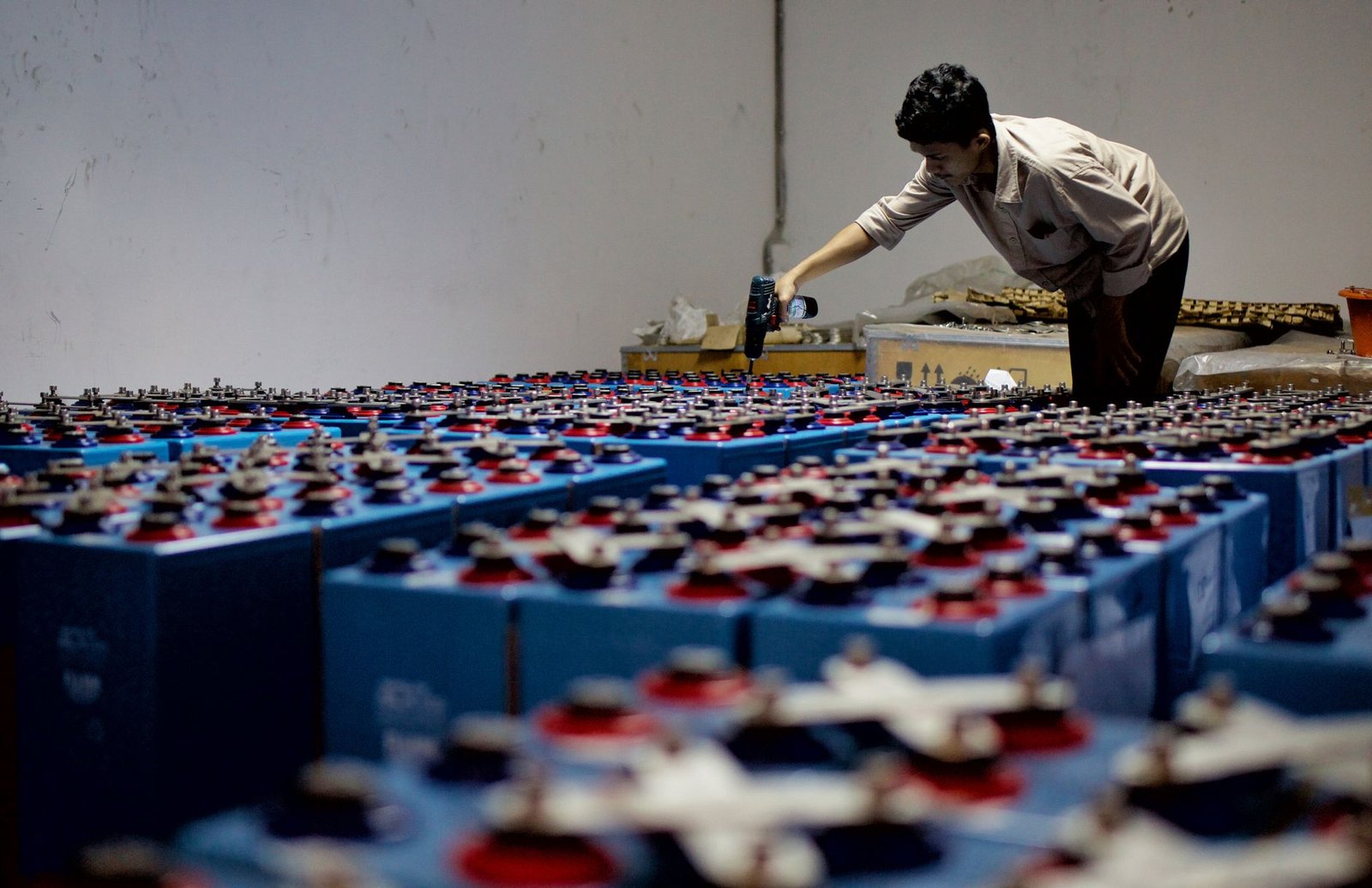
On a 90-degree afternoon in early July, Vermont’s grid operator faced surging peak demand. A decade ago, meeting that peak would have leaned harder on natural gas peaker plants, those expensive backup generators that sit idle most of the year but get paid to exist. Instead, Green Mountain Power called on tens of thousands of distributed batteries to pitch in. The batteries responded. The peaker plants stayed off. Green Mountain Power customers shared millions in avoided costs.
This wasn’t a pilot program or a demonstration. Green Mountain Power’s virtual power plant is now one of Vermont’s largest single power resources. During that heat wave it dispatched a substantial block of power that would otherwise have come from the wholesale market or peaking generation. The question isn’t whether this model works. The question is what constraint it solves that makes utilities willing to pay residential customers to install batteries.
Grid Operators Pay You to Reduce Demand
The economics start with a problem inherent to electricity grids: at any given instant, supply and demand must balance, and bulk storage remains scarce. When air conditioners turn on across a state during a heat wave, the grid operator has two broad options. First, ensure enough generation capacity exists to meet the peak, which sits unused most of the year. Second, pay someone to reduce consumption or shift it to another time.
Peaker plants represent the first option’s cost structure. A natural gas combustion turbine that runs a few dozen hours per year still requires capital expenditure, maintenance, fuel contracts, and regulatory compliance. Capacity payments alone, just to keep the plant ready, can exceed $100 per kilowatt-year in some markets. On that basis, a 90 MW peaker plant can cost on the order of $9 million annually in capacity payments before generating a single watt.
Green Mountain Power’s virtual power plant inverts this cost structure. Instead of paying to maintain idle generation capacity, the utility offers customers a subsidized lease on Tesla Powerwall batteries in exchange for the right to dispatch them. Those batteries provide backup power during outages, which customers value. When the utility needs peak capacity, it remotely discharges participating batteries while leaving a reserve for the home. The grid gets dispatchable capacity. Avoided peaker plant capital never gets built.
The savings materialize because wholesale electricity prices spike during peak demand. New England’s wholesale market can hit $1,000 per megawatt-hour or more during extreme peaks, compared to roughly $30-50 during normal hours. When battery capacity responds instead of buying from the wholesale market at those prices, the arithmetic gets simple. Megawatts times several hours times the price differential equals millions in avoided costs, spread across the customer base.
Capacity Factor Economics
The constraint that makes virtual power plants economically superior to peaker plants is capacity factor utilization. A peaker plant with a 5% capacity factor runs roughly 438 hours annually. Every dollar spent on that plant buys 438 hours of potential generation out of 8,760 hours in a year. Asset utilization is abysmal by any industrial standard.
A residential battery in a virtual power plant has three sources of value. First, the customer uses it during outages, which provides direct value to the buyer. Second, the utility dispatches it during peak demand events. Third, the battery can store cheap overnight electricity and discharge it during expensive evening hours, reducing the customer’s bill even before any utility dispatch.
This triple-use case means the battery’s installed cost gets amortized across multiple value streams. A peaker plant has one job: generate electricity when called. A battery participating in a virtual power plant performs backup power service, peak shaving, and time-of-use arbitrage. Peaker plants do one thing rarely. Distributed batteries do multiple things constantly.
Green Mountain Power illustrates this in practice. Its enrolled residential batteries collectively add up to tens of megawatts of dispatchable capacity across thousands of customers, with each participating household contributing several kilowatts. During the July heat wave, dispatching that fleet for several hours provided the same grid service as a comparably sized peaker plant, but the batteries went back to providing backup power and time-shifting after the dispatch ended. A peaker plant would have returned to sitting idle.
Construction timelines compound the capacity factor advantage. Building a 90 MW natural gas peaker plant requires environmental permitting, fuel infrastructure, transmission upgrades, and 24-36 months of construction. Scaling residential batteries requires customer acquisition, installation logistics, and software integration. Green Mountain Power grew its fleet not by building a power plant, but by offering customers a tariffed lease program that delivers backup power they already wanted.
Scale Constraints Outside Vermont
Green Mountain Power serves roughly 270,000 customers across most of Vermont. Its battery fleet, enrolled across thousands of those customers, represents only a few percent market penetration. That small share still delivers a meaningful slice of dispatchable capacity because Vermont’s total summer peak demand is low compared to larger states. Vermont’s peak summer demand runs on the order of 1,000 MW, so a heat-wave dispatch of tens of megawatts represents a nontrivial fraction of statewide peak. Scaling that proportion to California or Texas reveals why this model hasn’t replaced peaker plants everywhere.
California’s peak summer demand can exceed 50,000 MW. Matching Vermont’s proportion from distributed batteries would require thousands of megawatts of residential battery capacity. At several kilowatts of dispatchable capacity per household, that implies hundreds of thousands of participating homes. California has roughly 14 million housing units, so the required penetration is broadly similar to Vermont’s ratio. The absolute numbers, however, require coordinating hundreds of thousands of residential installations with compatible equipment, software protocols, and dispatch coordination.
Transmission topology creates a second constraint. Vermont’s grid has limited interconnection capacity with neighboring states. When Green Mountain Power dispatches local batteries, it directly reduces load on Vermont’s transmission infrastructure. California’s grid has substantial interstate ties. Reducing 1,000 MW of demand in Los Angeles doesn’t necessarily avoid importing power from Arizona if the transmission capacity exists and the price differential makes imports economical. Savings from avoided wholesale purchases depend on local transmission constraints that make importing power expensive or impossible.
Regulatory structure creates a third constraint. Green Mountain Power received state approval for a tariffed battery lease program, meaning the Public Utility Commission authorized the utility to recover program costs through rates. Many states prohibit utilities from owning customer-sited assets or require competitive bidding for distributed energy resources. Regulatory friction for deploying residential batteries at scale varies by jurisdiction in ways that have nothing to do with technical feasibility.
Utility Business Model Incentives
Mainstream coverage of virtual power plants emphasizes customer savings and clean energy benefits. The often-ignored constraint is utility business model incentives. Most investor-owned utilities earn returns on capital expenditures. Building a large gas plant generates decades of rate-base returns. Financing customer-owned batteries through lease programs generates operating expenses, not capital returns, unless regulators explicitly allow those costs into the rate base.
Green Mountain Power has retired or reduced reliance on aging peaker capacity as it built out its battery network, and it frames distributed storage as a substitute for future peaking investment. This is physical evidence that distributed batteries can offset generation capacity, not just supplement it. The economic question is whether utility shareholders prefer the rate-base returns from new power plants or the operating cost structure of virtual power plants.
The answer depends on state regulatory frameworks. Vermont’s regulatory structure allows Green Mountain Power to recover virtual power plant program costs and earn returns on utility-scale battery investments within the same portfolio. States where regulators separate generation, transmission, and distribution into different business entities can create misaligned incentives. A distribution utility that would coordinate residential batteries may not own generation assets and may have no financial interest in avoiding peaker plant construction.
This regulatory constraint explains why virtual power plants remain concentrated in specific markets. The technology works. The economics work when properly structured. The barrier is convincing utilities that managing distributed batteries creates equivalent shareholder value to building power plants, and convincing regulators that utility-coordinated residential batteries deserve cost recovery treatment similar to traditional infrastructure investments.
Tracking Real Capacity Displacement
Tracking whether virtual power plants actually replace generation capacity requires watching two specific indicators. First, generator interconnection queue withdrawals in regions with growing virtual power plant deployments. If utilities and independent power producers cancel planned peaker plants in markets where distributed batteries reach meaningful capacity, that confirms substitution is occurring.
Second, wholesale electricity price volatility during peak demand events. Virtual power plants should compress price spikes by adding dispatchable capacity exactly when prices would otherwise spike highest. If a region’s peak-hour wholesale prices show declining volatility as virtual power plant capacity grows, the batteries are performing the economic function of peaker plants. If price spikes persist despite virtual power plant deployments, the batteries aren’t displacing enough demand to affect wholesale market clearing prices.
Green Mountain Power’s reported customer savings, accumulated across normal operations and amplified during heat-wave dispatches, suggest the virtual power plant is achieving measurable wholesale market impact. Vermont’s small size makes the signal easier to detect. Larger markets will require far more capacity before the effect becomes visible in wholesale price data.
Dispatch reliability is the technical constraint to monitor. Peaker plants respond to grid operator commands with high certainty. A virtual power plant aggregates thousands of residential batteries, each with potential communication failures, customer override behaviors, or equipment malfunctions. If aggregate dispatch reliability falls too far below expectations, grid operators will maintain peaker plants as backup reserves, defeating the economic case for battery substitution. Green Mountain Power’s consistent dispatch performance during the July heat wave indicates the reliability constraint can be managed with proper software and equipment standards.