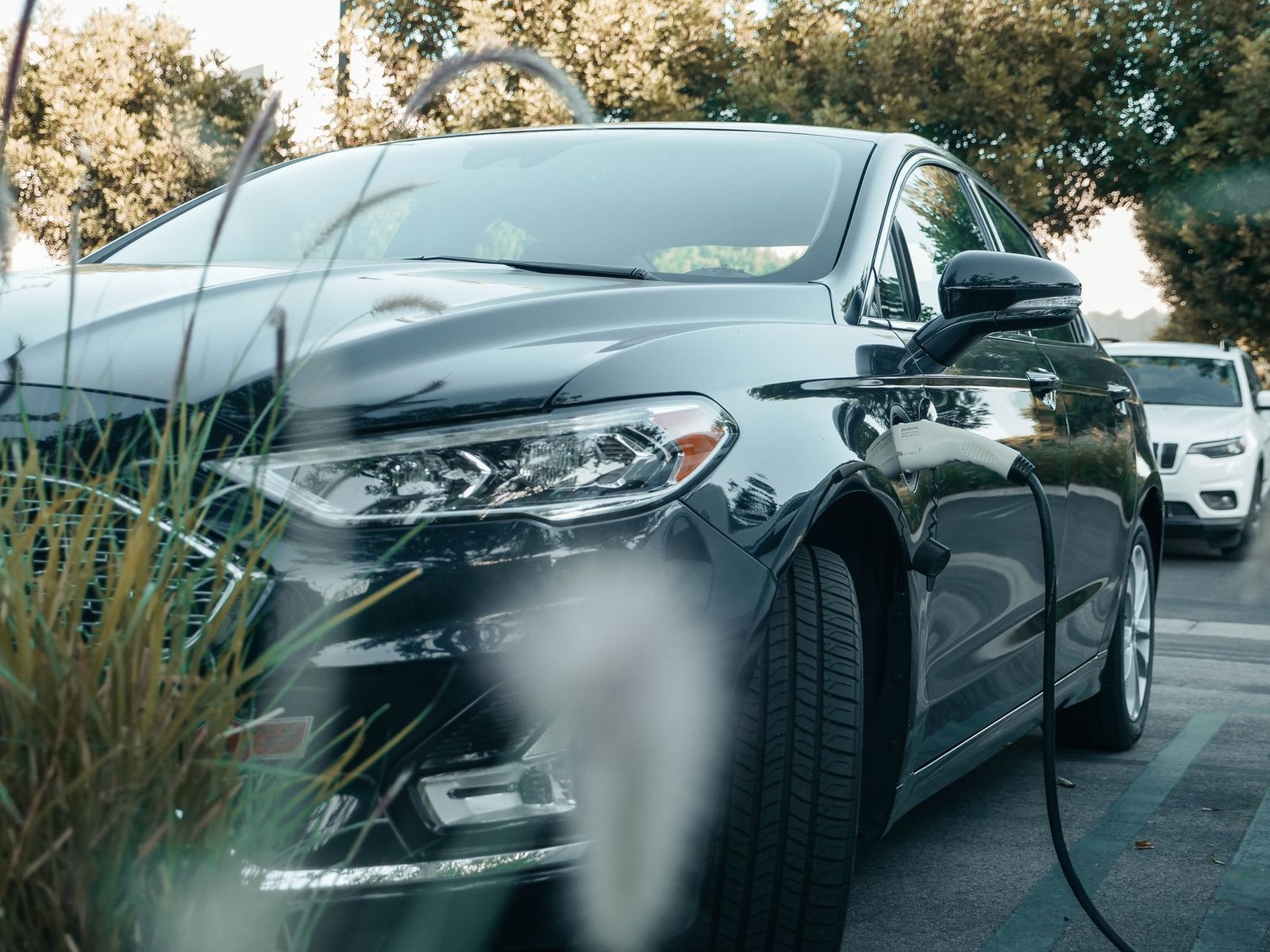
BYD recently announced a plug-in hybrid promising over 1,000 kilometers of total range. The number showed up in press releases, auto show booth displays, and enthusiast forum speculation about what this could mean for long-distance EV adoption. A friend forwarded me the spec sheet with a text: “See? This is why PHEVs are the real answer.” The claim is specific, impressive, and positioned as a milestone in electrified transportation.
I looked at the BYD PHEV range figure and immediately wondered what test cycle produced it. Because if you have been tracking electric vehicle specifications for more than six months, you know that advertised range and real-world range exist in different universes.
The Origin Story: How 1,000 km Became the Magic Number
Automakers love round numbers. They photograph well in press materials and convert easily across markets. The 1,000-kilometer threshold (621 miles) carries psychological weight because it exceeds what most internal combustion vehicles achieve on a single tank under normal driving conditions. BYD’s announcement positions the vehicle as solving “range anxiety” entirely by combining a battery pack that delivers electric-only driving with a gasoline engine that extends total capability.
The number itself likely comes from China’s CLTC test cycle, which measures range under controlled laboratory conditions. CLTC testing involves lower average speeds, gentler acceleration patterns, and no climate control load compared to what drivers encounter in actual use. The result is a figure that represents the vehicle’s maximum theoretical capability under highly favorable circumstances. This is not unique to BYD. Every manufacturer optimizes for whatever test cycle their primary market requires, whether that is CLTC in China, WLTP in Europe, or EPA testing in the United States.
The 1,000 km claim also serves a strategic purpose in markets where charging infrastructure remains incomplete. It positions PHEVs as a bridge technology that delivers electric driving without requiring the behavioral changes that pure battery-electric vehicles demand.
What the Engineering Actually Delivers
Let’s examine what a 1,000 km PHEV range rating means in practice. The vehicle combines a battery pack sized for approximately 80 to 100 kilometers of electric-only driving with a gasoline engine and fuel tank. The electric portion operates first, depleting the battery before the combustion engine engages. Total range is the sum of battery range plus gasoline range.
Real-world testing consistently shows that CLTC range figures translate to approximately 70 to 75 percent of advertised range under normal driving conditions. This means the 1,000 km BYD PHEV range claim would likely deliver 700 to 750 km in actual use with mixed highway and city driving, moderate climate control use, and typical acceleration patterns. That is still a respectable figure, but it is not the number in the marketing materials.
The battery degradation timeline adds another variable. A 2023 Volkswagen ID.4 purchased at 46,000 miles showed 6 percent battery degradation initially, increasing to approximately 15 percent total degradation after an additional 10,000 miles of use. The vehicle’s EPA-estimated 255-mile range dropped to a theoretical 217 miles based on the reduced 65 kWh usable capacity. This is a pure battery-electric vehicle, but the degradation pattern applies to the battery pack in any PHEV as well. Over time, that electric-only portion of the advertised range shrinks, shifting more driving to the gasoline engine.
Temperature affects battery performance significantly. Cold weather reduces usable capacity by 20 to 30 percent, which directly impacts the electric portion of a PHEV’s total range. The gasoline engine compensates, but this undermines the efficiency advantage that makes PHEVs attractive in the first place.
The Grain of Truth in the Big Number
The 1,000 km figure is not fraudulent. It represents what the vehicle can achieve under specific, repeatable test conditions. If you drive gently, avoid climate control, and operate primarily at speeds below 60 km/h, you could approach that number. The engineering is real. The chemistry works. The gasoline engine does extend range beyond what any comparably sized battery pack could deliver alone.
PHEVs also solve a legitimate problem for drivers who face incomplete charging infrastructure. If your daily commute sits within the electric-only range but you occasionally need to drive 400 km to visit family, a PHEV eliminates the planning overhead that pure battery-electric vehicles require. The gasoline engine functions as insurance against infrastructure gaps.
Why the Gap Between Claim and Reality Persists
Regulatory frameworks reward optimized test results. Automakers face fuel economy standards calculated using official test cycles, not real-world averages. Every additional kilometer of rated range helps them meet regulatory requirements, avoid penalties, and market vehicles as more efficient than competitors. The incentive structure pushes manufacturers to optimize for the test rather than for typical use.
Consumer psychology also plays a role. Buyers comparison shop using advertised specifications because those are the only numbers available before purchase. A vehicle rated at 1,000 km looks objectively superior to one rated at 850 km, even if both deliver similar real-world performance. Manufacturers who publish conservative estimates voluntarily disadvantage themselves in showroom comparisons.
Media coverage amplifies headline numbers without contextualizing test conditions. A press release announcing “1,000 km range” generates more coverage than one explaining “700 to 750 km under normal driving conditions with climate control active.” The former is simpler and more impressive. The latter is accurate but requires explanation.
What Actually Happens When You Buy One
A PHEV with a 1,000 km CLTC rating will deliver approximately 700 to 750 km in real-world mixed driving. The electric-only portion will cover your daily commute as long as that commute stays under 60 to 70 km and you charge regularly. Highway driving at sustained speeds above 100 km/h will shift operation to the gasoline engine earlier because battery packs deliver lower efficiency at higher speeds.
Over three to five years, battery degradation will reduce the electric-only range by 10 to 15 percent, assuming normal use patterns. This shifts more driving to the gasoline engine and reduces the fuel economy advantage that justified the PHEV purchase premium in the first place. The vehicle still works, but the economic case weakens as the battery ages.
For buyers who charge nightly and drive primarily within the electric-only range, a PHEV delivers most of the efficiency benefits of a pure battery-electric vehicle with none of the infrastructure anxiety. For buyers who rarely charge or drive primarily on highways, a PHEV functions as a gasoline vehicle with added weight and complexity from the battery pack and electric motor. The value proposition depends entirely on usage patterns, not on the advertised BYD PHEV range specification.