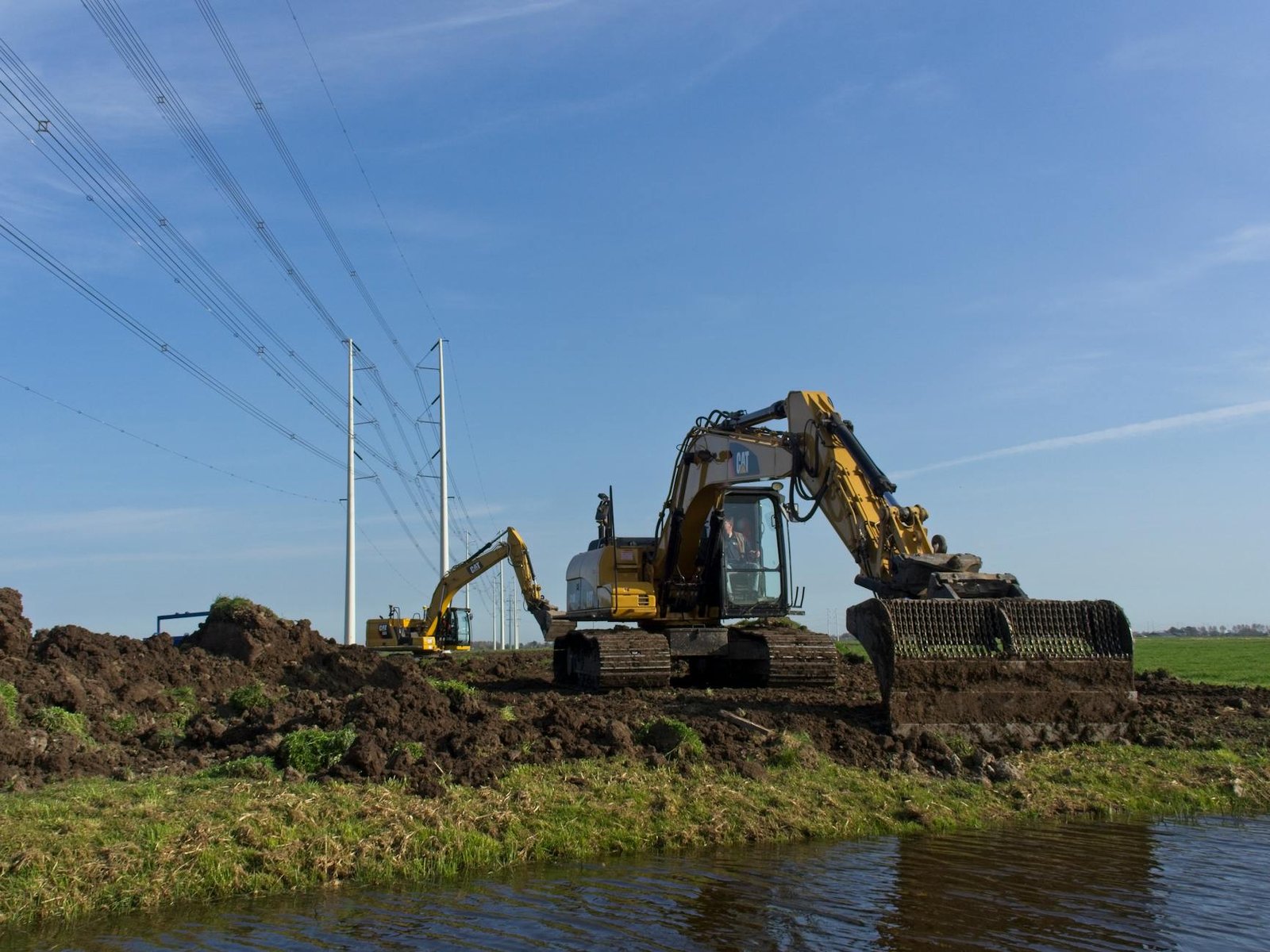
An equipment operator at a Bulgarian copper mine looks at a 330-ton electric excavator and says nothing about the battery. He does not ask about charge time. He does not mention range anxiety. He wants to know if it will move overburden faster than the diesel model it replaced, and whether parts will arrive when something breaks.
When Liebherr delivered its R 9600 E electric excavator to the Assarel-Medet mine in Pazardzhik province, the press release emphasized emissions reduction and energy efficiency. The mine purchased it because the cable connection meant no fuel deliveries and no downtime for refueling. The gap between these two framings reveals how the EV industry talks about electrification versus how buyers in heavy equipment actually make decisions.
Buyers of electric heavy equipment care about operating cost per ton of material moved and whether the machine will be working or waiting when the shift starts. Environmental benefits and battery technology rank lower.
Where the Battery Fixation Comes From
The consumer EV market trained everyone to obsess over batteries. Tesla made battery range the primary specification. Rivian and Ford marketed their trucks with battery size as the headline number. Car reviewers structure their entire assessment around charge time and driving range.
For consumer vehicles, this made sense. A buyer choosing between a Model Y and a gas SUV genuinely needs to know if the battery will get them to work and back. The decision hinges on whether their parking spot has a charger and whether they take road trips.
Mining equipment buyers think in tons per hour and cost per ton. A mine planning manager does not care if the electric excavator has a 500 kWh battery or a direct grid connection. She cares whether the machine can load 200 trucks per shift and whether maintenance will cost more than the diesel alternative.
The fixation spread because batteries are legible. You can compare kilowatt-hours across manufacturers. You can argue about lithium versus sodium. The metrics feel technical and sophisticated.
Operating cost requires a spreadsheet and knowledge of local diesel prices, grid rates, and maintenance intervals. Battery capacity is a single number.
What Mining Equipment Buyers Actually Evaluate
A 2023 survey of mining operations managers by CRU Group asked respondents to rank factors in heavy equipment purchasing decisions. Fuel and energy costs ranked first, cited by 73% of respondents. Maintenance costs and parts availability ranked second at 68%. Environmental compliance ranked fifth at 41%. Battery technology as a discrete concern did not make the top ten.
The numbers explain why. A large diesel excavator at a copper mine burns approximately 200 liters of fuel per operating hour. At $1.20 per liter in Bulgaria, that comes to $240 per hour in fuel alone. An electric excavator running on grid power at industrial rates pays roughly $60 per hour for the same work output. Over a 6,000-hour operating year, the delta exceeds $1 million.
Maintenance cost differences matter nearly as much. Diesel engines in mining equipment require oil changes every 250 hours, filter replacements, and periodic overhauls of turbochargers and fuel injection systems. Electric drive systems have fewer wear components. A mining operation replacing four diesel excavators with electric models reported a 40% reduction in maintenance labor hours in the first year of operation.
For mines in regions without strong Caterpillar or Komatsu dealer networks, parts availability drives the decision. An electric motor controller can be air-freighted overnight from Germany. A replacement diesel engine block weighs five tons and ships by sea. When an excavator sits idle, the mine loses revenue measured in hundreds of tons of ore per day.
The Kernel of Truth in the Battery Myth
Battery-powered mobile equipment does face legitimate adoption barriers. A battery-electric haul truck carrying 300 tons of ore up a mine access road needs massive battery capacity to handle the grade and load. The battery adds weight that could otherwise be payload. Charging infrastructure at a remote mine site requires substation upgrades that can cost millions.
For mobile equipment that moves long distances, battery size and charge time genuinely constrain operations. Many mines electrify excavators before they electrify haul trucks for precisely this reason. The excavator sits in one location connected to a cable reel. No battery required. The haul truck drives a 12-kilometer loop and would need either a battery pack exceeding 1 MWh or frequent opportunity charging.
Mining operations electrify the equipment where batteries are unnecessary first, then work on the harder problems. An electric excavator succeeds precisely because it sidesteps the battery limitations that matter for mobile equipment.
Why the Misconception Persists
The EV press writes about heavy equipment electrification using the same framework developed for consumer vehicles. Every article mentions battery capacity even when the equipment uses a cable connection. The framing assumes readers think about industrial equipment the same way they think about cars.
Equipment manufacturers reinforce this by marketing electric models with consumer-friendly environmental messaging. Liebherr’s press materials for electric excavators lead with emissions reduction and energy transition language. The business case built on operating cost shows up in paragraph seven. Marketing departments assume mine operators want to appear forward-thinking and environmentally responsible.
Mine operators play along because environmental compliance has real value. A European copper mine facing carbon pricing can justify the electric excavator purchase to corporate headquarters by citing emissions reduction. The actual purchasing decision happened because the energy cost was 75% lower, but the public explanation emphasizes sustainability.
Everyone talks about batteries and the environment while making decisions based on operating costs and uptime. The industry keeps the myth alive because the myth is more appealing to outside stakeholders than a spreadsheet showing cost per operating hour.
The Correct Model for Equipment Electrification
Mining operations electrify equipment when the total cost of ownership falls below the diesel alternative and the equipment can operate at full capacity. Battery technology matters only for mobile equipment where cable connections are impractical.
Stationary and semi-stationary equipment electrifies first. Excavators, drills, and conveyors connect to the grid. Haul trucks and dozers electrify later, when battery energy density improves enough that the weight penalty does not reduce payload below acceptable levels.
The purchasing decision hinges on three numbers: energy cost differential, maintenance cost differential, and capital cost premium. If the electric model costs $3 million more than diesel but saves $1.2 million per year in energy and $400,000 in maintenance, the payback period is under two years. Most mining operations approve that without hesitation.
The electric excavator working at the Assarel-Medet mine succeeds because Bulgaria has industrial electricity rates around $0.08 per kWh and diesel fuel over $1.20 per liter. In a region with cheap diesel and expensive electricity, the same excavator makes no economic sense. Equipment electrification happens unevenly across geographies because the buyer’s decision is local and economic, not global and aspirational.