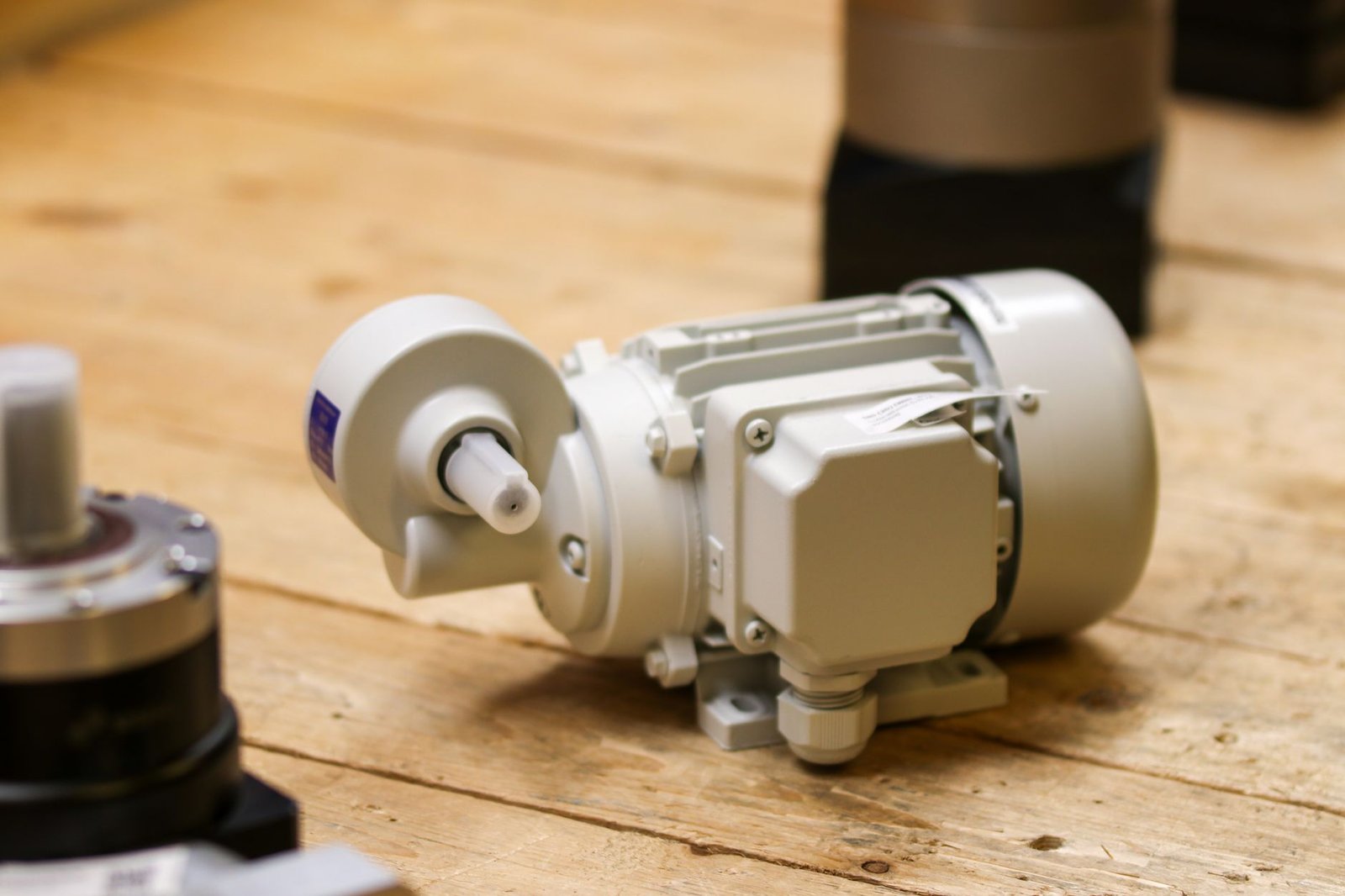
SEG Automotive announced at Automechanika Frankfurt that remanufactured drive units for the Kia Niro EV and Hyundai Kona EV will cost up to 30% less than dealer replacements. That drops the typical ev motor replacement cost from a $2,500 to $5,000 range down to roughly $1,750 to $3,500. For a used first-generation Kona or Niro EV trading around $15,000, that’s still 12% to 23% of the car’s entire value for a single repair. The math works for SEG, which expanded its Redrive remanufacturing line from Tesla Model S drive units and Renault Zoe motors. The math is harder for the buyer weighing repair versus trade-in.
SEG’s service addresses a specific failure mode: a reduction gearbox bearing in the front drive unit that produces a distinctive ticking or whining sound before it fails. Both the 134-horsepower and 201-horsepower variants of these first-generation platforms share the same vulnerability. The repair shop pulls the faulty unit, ships it to SEG, and receives a refurbished motor, transmission, and inverter with new bearings and seals installed. For Tesla’s Model S Large Drive Unit, SEG offers a coolant delete modification to address a known leak issue that Tesla struggled to fully resolve in early units.
The Depreciation Trap
A $3,500 motor replacement on a $15,000 car creates a decision tree most owners weren’t planning for. Trade the car in before the bearing fails and take the depreciation hit, or gamble that the ticking sound doesn’t escalate before you’re ready to sell. Pay for the repair and you’re immediately underwater: a $15,000 car with a fresh drivetrain is still worth $15,000 to the next buyer, maybe $16,000 if you can document the work. You don’t recoup the repair cost because used car pricing reflects expected remaining life, not maintenance history.
This asymmetry explains why remanufactured parts often make more sense for commercial fleets than private owners. A delivery van operator with five Kona EVs can spread the fixed cost of downtime and build vendor relationships that reduce per-unit repair expenses. The private owner replacing one motor faces the full friction: finding a shop that will work with SEG, managing the logistics of a core exchange, waiting for the rebuild. For a car worth less than a used Camry, that friction overwhelms the 30% savings.
The constraint isn’t the availability of cheaper motors. EV depreciation curves haven’t yet stabilized enough to make major powertrain repairs economically rational for most owners. Gasoline cars benefit from decades of actuarial data: a $3,000 transmission replacement on a $12,000 Honda Accord makes sense because you know the rest of the car will likely give you another 80,000 miles. Nobody yet knows if a 2019 Kona EV’s battery, thermal management system, and high-voltage wiring will outlast the refurbished motor by enough margin to justify the spend.
Why This Failure Mode Matters
Bearing failures in reduction gearboxes aren’t random bad luck. They’re load-cycle sensitive. The front drive unit in these Hyundai/Kia platforms handles regenerative braking forces every time you lift off the accelerator. In stop-and-go traffic or hilly terrain, that bearing sees many load reversals over the course of a day. Heat cycling from the motor, contamination from seal degradation, and manufacturing tolerance stacking all contribute. The bearing doesn’t fail because Hyundai built a bad product; it fails because this specific duty cycle can exceed the design margin that worked fine in testing.
Tesla’s Model S Large Drive Unit had a similar issue with coolant intrusion. Fluid leaked past seals, mixed with the gear oil, and accelerated bearing wear. Tesla replaced units under warranty and revised the design over time, but early units remained susceptible. SEG’s coolant delete modification addresses it by eliminating the leak path entirely, accepting a slight reduction in cooling capacity in exchange for durability. That’s the kind of learning that only happens after high-mileage fleet data accumulates.
The Kona and Niro bearing problem may get similar treatment. SEG’s remanufacturing process isn’t just swapping in identical OEM parts; it can install uprated bearings with better seals based on failure analysis from returned cores. If you’re the second or third owner of one of these EVs, you’re effectively living with a platform whose weak points are still being mapped. A remanufactured unit with revised parts may outlast the original simply because SEG addresses the wear pattern that Hyundai couldn’t easily revise mid-production.
The Used EV Pricing Problem
First-generation Kona and Niro EVs sold as some of the more affordable EVs in the United States when they launched. A base Niro EV listed around $39,000 in 2019, qualifying for the full $7,500 federal tax credit. By 2024, depreciation and shifting demand knocked these cars down to used compact-car money. That price compression creates a mismatch: repair costs track original vehicle complexity, but resale value tracks perceived remaining utility.
A $2,500 dealer repair on a $15,000 car is a 17% hit. The same repair on a $40,000 car when new was 6%. The repair didn’t get more expensive; the car got cheaper faster than the labor and parts could follow. SEG’s 30% cost reduction helps, but it doesn’t change the fundamental problem. As more early EVs age into the sub-$20,000 market, ev motor replacement cost will define total cost of ownership more than charging efficiency or battery degradation.
This reframes the “EVs are cheaper to maintain” narrative. Yes, no oil changes. Yes, fewer brake jobs thanks to regen. But when a drivetrain component fails, the repair is complex and expensive because the parts are electromechanical assemblies, not simple bolt-ons. A $600 alternator replacement on a gas car is annoying. A $3,500 drive unit replacement on an EV is a financial decision.
Capital Risk and the Repair Network
SEG Automotive’s business model depends on capturing enough cores to make remanufacturing scale. Every drive unit they refurbish requires a customer to surrender the old unit as a core charge. That works when failure rates are predictable and the installed base is large. Tesla’s Model S has been on the road since 2012, giving SEG more than a decade of failure data and a deep inventory of cores. The Kona and Niro are younger platforms with smaller U.S. sales volumes. If the bearing failure rate turns out lower than expected, SEG’s investment in tooling and process development might not pay out.
Hyundai could issue a service bulletin or extended warranty that covers these bearing failures. If enough owners complain and the failure mode shows clear manufacturing defect characteristics, Hyundai might eat the cost to protect the brand. That would shrink SEG’s addressable market substantially. Remanufacturers thrive in the space between warranty expiration and vehicle end-of-life, but only if the OEM doesn’t extend coverage retroactively.
For the repair shop, working with SEG adds vendor complexity. The shop has to manage core exchanges, shipping logistics, and coordinate with customers on downtime. A dealer can pull a new drive unit from regional inventory and, in the best case, have the car back on the road in a couple of days. A remanufactured unit might take a week or more. That time cost doesn’t show up in the parts price, but it matters to someone who needs their car for work.
What This Signals About EV Durability
SEG sees enough volume to justify expanding its Redrive line to Kona and Niro drive units, which suggests these failures are happening at commercially significant rates. Remanufacturing is only viable when failure volumes are predictable and high enough to amortize setup costs. SEG wouldn’t tool up for a platform with 1,000 units in the field and a 2% failure rate. They’re targeting platforms with enough units and failure rates high enough to support a recurring revenue stream.
That’s not an indictment of Hyundai’s engineering. Early EV platforms were designed under different constraints. Battery costs were higher, so maximizing range meant minimizing weight. That pushed engineers toward lighter-duty components and tighter packaging. Thermal management strategies were less mature, so cooling systems ran closer to their limits. The platforms work, but they don’t have the margin that comes from iterative refinement over decades.
Second-generation EVs will likely avoid these specific failure modes because the OEMs have the field data now. Hyundai’s newer E-GMP platform, which underpins the Ioniq 5 and Ioniq 6, uses different motor and gearbox designs than the Kona and Niro. Tesla’s later drive units use revised seals and bearing specs compared to the early Model S. The learning curve is real, but it only helps buyers of newer vehicles. Everyone who bought a first-gen Kona or Niro is living with the earlier hardware.
The Actual Lesson
SEG’s 30% cost reduction on remanufactured drive units matters, but it doesn’t fix the underlying problem. Used EV values have fallen faster than repair costs, creating a zone where major powertrain work is economically marginal. The repair makes sense if you plan to drive the car another 80,000 miles. It doesn’t make sense if you’re two years from trading it in anyway. The patient move is to wait for enough failures to accumulate that OEMs issue recalls or extended warranties. Until then, a ticking noise from the front drive unit is a $3,500 decision hiding behind 30% savings that still aren’t enough.