You’re configuring an electric SUV online, late at night, comparing battery warranties. One brand emphasizes its “sustainable battery sourcing.” Another highlights its “carbon-neutral manufacturing.” You click through to the fine print, read about renewable energy credits and third-party certifications, and realize you have no idea what any of this actually means for the battery in the vehicle you’re about to finance for six years. CATL, the world’s largest EV battery maker with roughly 38% global market share, just announced that all 20 of its operating plants are carbon neutral. The claim sounds impressive. The reality is more complicated, and the gap between the two reveals why buyers struggle to value sustainability claims when cross-shopping vehicles.
CATL’s announcement matters because the company supplies nearly four in every ten EV batteries worldwide. When they say their plants are carbon neutral, they mean something specific: ISO 14068-1 certification, which requires quantifying and reducing emissions from core operations before purchasing carbon offsets to cover what remains. Since 2023, CATL has consumed more than 18 billion kilowatt-hours of zero-carbon electricity across its manufacturing operations. They’ve cut energy use per unit of production by 28% compared to 2022, and reduced carbon emissions per unit by 77% over the same period. These are real operational improvements, not accounting tricks.
The Manufacturing Story Everyone Tells
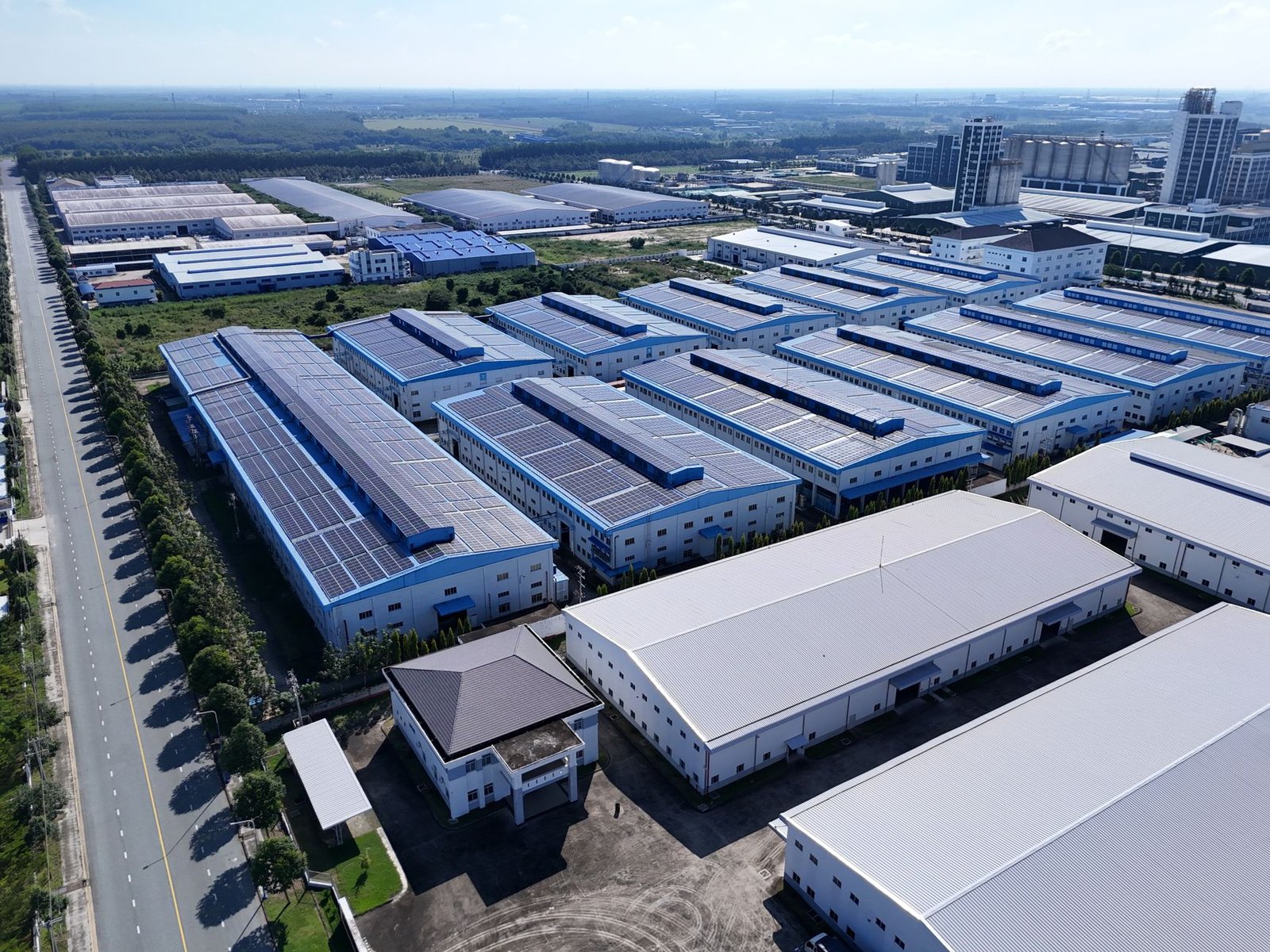
The carbon neutral announcement focuses on what happens inside CATL’s factory gates. All 20 plants now run on 100% zero-carbon electricity for core operations. The company installed more than 60 distributed solar projects at supplier facilities, generating over 450 million kWh annually. Between 2023 and 2025, CATL cut more than 10 million metric tons of CO2 equivalent from its direct manufacturing footprint. They built a Carbon Chain Management System (CCMS) that tracks emissions data from plants, production lines, products, and raw materials, generating over 1,000 product and material emissions models.
This is the story battery makers want you to hear: clean factories, renewable energy, certified processes. It’s quantifiable, auditable, and fits neatly into marketing materials. When you’re comparing two vehicles with similar range and charging specs, the one with a “carbon neutral battery” sounds better. But manufacturing represents only a fraction of a battery’s total carbon footprint, and the buyer has no way to know this without digging past the headline.
What the Factory Numbers Hide
CATL’s own data shows that more than 80% of battery lifecycle emissions come from the supply chain, not from the company’s own manufacturing operations. Total value-chain emissions exceed core operations emissions by more than five times. The carbon neutral plants announcement covers the smaller number, not the bigger one. This isn’t unique to CATL. Every battery maker faces the same math. Mining lithium and cobalt, refining cathode materials, producing separator film, manufacturing anode graphite: these upstream processes are energy-intensive and mostly happen in regions where grids run on coal or natural gas.
When you buy an EV, the battery arrives with embedded emissions from hundreds of suppliers across multiple continents. CATL has established baseline carbon data for more than 100 core Tier 1 suppliers and set a 2035 target for entire value-chain decarbonization. Starting in 2027, they’ll require new suppliers to provide product carbon-footprint data and incorporate renewable electricity use into annual supplier reviews. But 2027 is years away, and 2035 is a planning horizon, not a delivery date. The battery in a vehicle you buy today carries the emissions profile of the current supply chain, not the aspirational one.
If two vehicles have identical range, charging speed, and warranty terms, but one claims a lower-carbon battery, what is that claim worth in dollars? The answer depends entirely on which part of the carbon footprint the claim addresses. A carbon neutral factory sounds meaningful. A 77% reduction in manufacturing emissions sounds even better. But if manufacturing represents under 20% of total lifecycle emissions, a 77% reduction in that share translates to only around 12% to 15% of the whole. That’s not nothing, but it’s not the transformation the headline implies.
How Buyers Actually Process This Information
Most people shopping for an EV don’t calculate lifecycle emissions. They compare range, price, charging network access, and maybe thermal management if they live somewhere cold. Sustainability claims sit in a separate mental bucket, somewhere between “nice to have” and “I want to believe this matters.” Belief doesn’t scale linearly with impact. A buyer willing to pay $2,000 more for a vehicle with a carbon-neutral battery might assume that premium buys meaningful emissions reduction. If the actual reduction is 12% to 15% of lifecycle impact, the cost per ton of avoided emissions can exceed what the same buyer would pay for other climate interventions.
Carbon neutral manufacturing does matter, though not in the way the marketing suggests. Operational efficiency improvements reduce costs, and cost reductions eventually flow to buyers. CATL’s 28% energy reduction per unit likely improves margins, which creates room for price competition. But the buyer value proposition isn’t the carbon claim. It’s the second-order effect of operational discipline showing up in battery pricing two or three years later.
The certification itself carries no enforcement mechanism at the point of sale. If you buy an EV with a CATL battery today, you cannot verify which plant produced it, what percentage of that plant’s electricity came from renewables versus offsets, or how the cathode material was sourced. You’re trusting a global supply chain to deliver on a claim you cannot audit. Some buyers care deeply about this and will pay a premium based on trust. Others assume all sustainability marketing is equivalent and ignore it entirely. The middle group, the ones genuinely trying to make an informed choice, have no decision-support tools that map claims to measurable outcomes.
The Choice That Actually Matters
When you’re comparing vehicles, the carbon footprint variable that matters most isn’t where the battery was assembled. It’s how long the battery lasts and what happens to it after the vehicle’s first life. A battery that degrades to 70% capacity in six years creates different lifecycle emissions than one that holds 85% capacity after ten years. Warranty terms reveal manufacturer confidence in longevity, but warranty coverage doesn’t equal actual performance. Thermal management systems, charge curve programming, and cell chemistry all affect degradation rates, and none of these show up in marketing materials about carbon neutral factories.
A battery that gets recycled into new cells closes the material loop. One that sits in a warehouse waiting for recycling infrastructure that doesn’t exist yet creates stranded embodied emissions. CATL mentions battery recycling as part of its 2035 value-chain decarbonization plan, but current recycling rates for EV batteries remain limited because most early-generation batteries haven’t reached end of life yet. The buyer decision in 2025 is based on infrastructure and economics that won’t fully materialize until 2030 or later.
What This Means for Your Next Purchase
If you’re deciding between two vehicles and one emphasizes its carbon neutral battery manufacturing, ask what percentage of total lifecycle emissions that claim addresses. If the answer isn’t readily available, assume the number is smaller than the marketing implies. Then ask whether the same vehicle offers better thermal management, a more conservative charge curve, or a longer battery warranty. Those attributes directly affect how long the battery remains useful, which has more carbon impact than the electricity mix at the assembly plant.
CATL’s carbon neutral plants represent real operational progress. The 77% emissions reduction per unit since 2022 required capital investment and process redesign. But the announcement also illustrates how battery sustainability claims target the measurable and certifiable parts of the value chain while the larger emissions sources remain harder to quantify and slower to decarbonize. Buyers end up evaluating claims that sound comprehensive but address a fraction of the total impact. The vehicles with the lowest lifecycle emissions might not be the ones with the most prominent carbon neutral badges. They’re the ones that last longer, charge smarter, and get recycled at end of life. None of those attributes fit neatly on a window sticker.