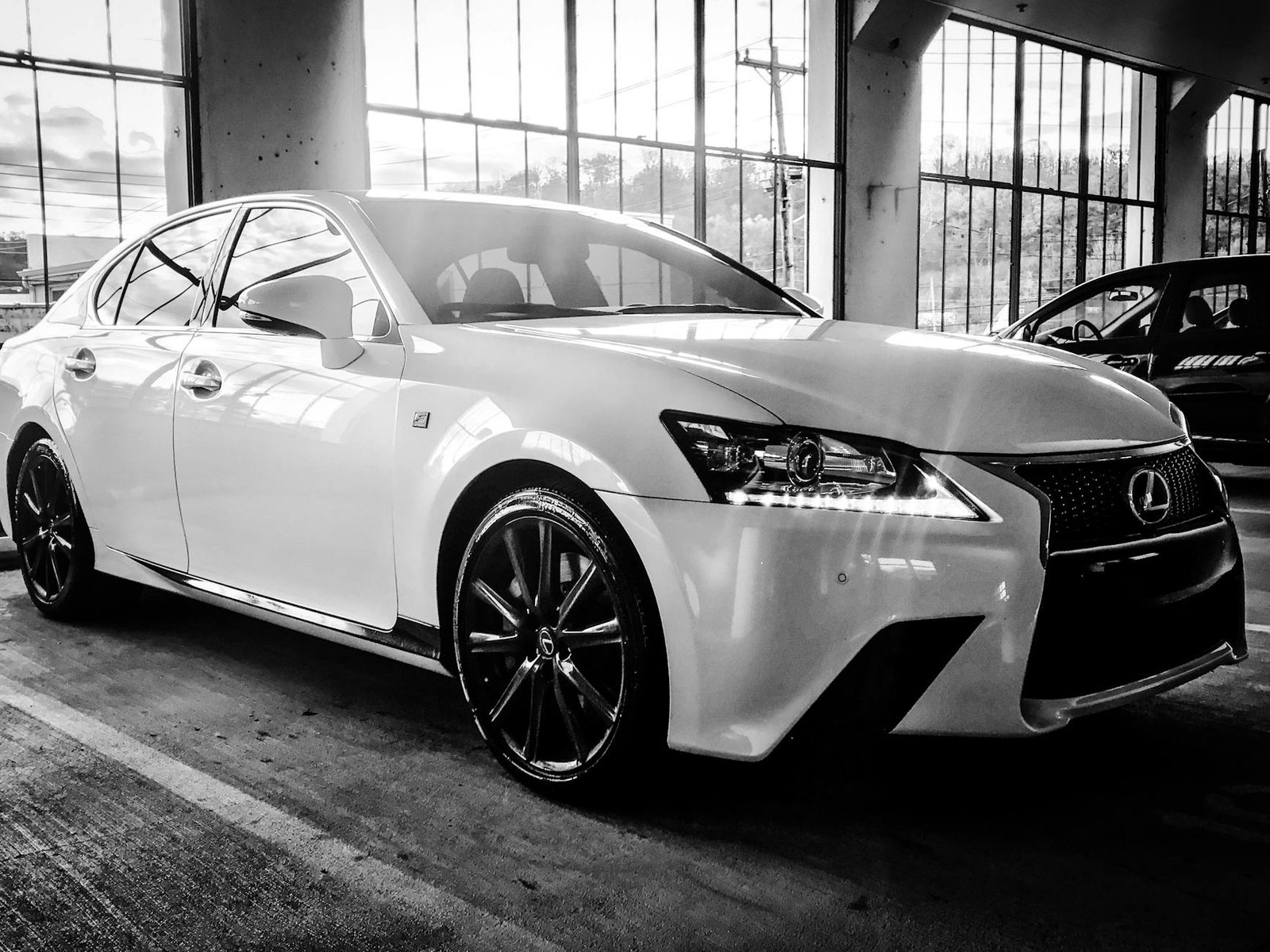
Excerpt: The 2026 Lexus ES launches with an unusual pricing strategy: the EV starts at $48,795 while the hybrid costs $50,995. This inverted hierarchy reveals how luxury buyers actually evaluate powertrain risk and why badge engineering still matters more than kilowatt-hours.
The 2026 Lexus ES went on sale this week with pricing that violates conventional wisdom about electric vehicle economics. The base Lexus ES electric, rated at 307 miles of EPA range, costs $48,795. The hybrid ES 350h Premium, arriving in spring 2026, starts at $50,995. By the usual logic of battery costs and manufacturing complexity, this shouldn’t happen. The EV should carry a premium for its expensive battery pack. Lexus priced the electric model $2,200 below the hybrid, then offered the higher-trim electric Luxury version for less than the hybrid’s Premium+ AWD configuration.
The automotive press treated this as a straightforward product launch. New sedan, competitive range, reasonable price, available soon. The pricing matrix tells a different story about how luxury buyers actually assess powertrain options when both share the same sheet metal.
The Brand Arbitrage Problem
When a manufacturer offers the same model nameplate with multiple powertrains, they create an immediate comparison problem. The buyer shopping an ES isn’t cross-shopping a Tesla Model 3 or evaluating abstract beliefs about electrification. They’re deciding whether the $48,795 ES electric Premium delivers better value than the $50,995 ES 350h Premium. Same seats, same interior quality, same badge on the trunk, same service network. The only variable is what happens when you press the accelerator.
Lexus made the electric version cheaper, not by a token amount, but by enough to signal that the EV isn’t a penalty box for early adopters. This inverts the normal calculus where EVs cost more because batteries cost more than gas tanks. The ES pricing acknowledges a different constraint: luxury buyers paying $50,000 for a sedan aren’t optimizing for the lowest cost per mile. They’re managing perceived risk of choosing the newer, less-proven technology within a familiar model line.
The strategic question isn’t whether the battery costs more to produce. Whether buyers will tolerate a price premium for a powertrain they perceive as experimental, especially when a proven hybrid alternative carries the same badge matters more. Lexus apparently concluded they won’t.
What Hybrid Buyers Are Actually Paying For
The ES 350h Premium at $50,995 costs more than the EV despite having a smaller battery and a conventional engine. The buyer paying this premium isn’t irrational. They’re paying for optionality.
The hybrid delivers indefinite range with any fuel station. No route planning, no charging infrastructure assessment, no range anxiety on the unplanned detour. The hybrid buyer trades slightly lower efficiency for complete operational flexibility. This explains why Lexus can charge more for the hybrid despite lower component costs. The hybrid eliminates the largest perceived friction in EV ownership: the dependency on charging infrastructure. For a $50,000 luxury sedan buyer, paying $2,200 to eliminate that dependency is cheap insurance. The hybrid commands a premium because it removes a behavioral constraint that EV buyers must actively manage.
The ES electric at $48,795 effectively pays the buyer to accept that constraint. The lower price compensates for the requirement to plan charging stops, to install home charging equipment, to think about electrons instead of just pulling into any gas station. For buyers already committed to EV ownership, those with home charging and predictable driving patterns, this is free money. For buyers on the fence, the $2,200 discount still might not overcome the operational friction.
The 307-Mile Threshold and Real-World Friction
The ES electric Premium delivers 307 EPA miles on 19-inch wheels. This drops to 292 miles with 21-inch wheels, a 15-mile penalty for the larger option. The all-wheel-drive ES electric Luxury manages 276 miles with 19-inch wheels, falling to 261 miles with 21-inch wheels. These ranges cluster around 300 miles, which should theoretically eliminate range anxiety for most use cases.
EPA ranges describe ideal conditions. Highway speeds, cold weather, and aggressive climate control knock real-world range down by 20-30 percent. The 307-mile ES becomes a 215-240 mile vehicle in winter highway driving. The DC fast charging capability means a 10-80 percent charge takes approximately 30-40 minutes under ideal conditions. Real-world charging, at non-ideal temperatures, on busy travel days, with chargers that don’t deliver peak power extends this to 45-60 minutes.
The friction is the mental overhead. The hybrid buyer never thinks about this. They might fill up every 500 miles and forget about energy entirely between fill-ups. The EV buyer must actively budget range, plan charging stops, and manage the gap between EPA estimates and real-world performance. For a luxury vehicle buyer, this cognitive load is the actual product defect, not the battery size or charging speed.
Why BMW Spent Differently on the Same Problem
BMW announced the Neue Klasse platform recently, with the first sedan models promising up to 300 miles of range and significantly faster charging capabilities than current models. The Neue Klasse addresses range anxiety with improved capability: optimized battery chemistry, more efficient motors, and faster charging to reduce downtime. BMW invested in next-generation technology to deliver meaningful improvements over their current electric lineup.
This is the high-capital solution. Build enough performance margin that the buyer encounters fewer constraints. The upcoming BMW electric sedans at an estimated $55,000-$70,000 will cost more than the loaded ES electric Luxury at $60,195, but promise faster charging and competitive range. BMW bet that electric-committed buyers will pay for capability that reduces friction.
The Lexus approach is lower risk: offer both powertrains, price the EV to incentivize trial, let the market sort itself. The buyer uncertain about EVs can choose the hybrid at a slight premium. The buyer confident in their charging situation gets the EV at a discount. Lexus doesn’t need to solve the charging infrastructure problem with engineering. They solve it with product line breadth and pricing.
The Actual Buyer Decision Tree
A buyer considering the ES faces a simple decision tree. Do you have reliable home charging and predictable daily driving under 200 miles? Take the EV and pocket $2,200. If you’re uncertain, pay the premium for the hybrid and eliminate the question entirely. This works because both vehicles deliver identical luxury sedan attributes. The powertrain becomes a feature selection, not a lifestyle commitment.
The pricing confirms that Lexus sees EV adoption among luxury sedan buyers as dependent on friction removal, not capability demonstration. They’re trying to reduce the penalty for buyers willing to try, not prove EVs are better. The $2,200 discount is cheaper than the marketing spend required to convince skeptical buyers that 307 miles is enough, that 30-minute charging is acceptable, that the infrastructure is ready.
This reveals the core constraint in luxury EV adoption at the $50,000 price point: buyers aren’t waiting for better batteries. They’re waiting for charging infrastructure that matches the operational simplicity of filling a gas tank. Until that exists, the manufacturer must either build enough capability to render the infrastructure less constraining – BMW’s approach – or offer the optionality to avoid the question entirely – Lexus’s approach.
What This Pricing Structure Actually Signals
The Lexus ES electric costs less than its hybrid because Lexus understands that luxury buyers in 2025-2026 still perceive EVs as requiring behavioral adaptation. The lower price compensates for that adaptation cost. This isn’t a temporary promotional strategy, it’s an acknowledgment that the charging infrastructure constraint hasn’t been solved, and pricing can’t make it disappear. Pricing can make buyers willing to work around it.
The hybrid premium persists because eliminating operational constraints is worth paying for. The buyer choosing the hybrid at $50,995 isn’t rejecting EVs on principle. They’re buying insurance against infrastructure uncertainty. When public charging is as reliable and ubiquitous as gas stations, this premium evaporates. Until then, it’s a rational hedge.
The ES proves EVs can compete on price. Price alone doesn’t eliminate the behavioral friction of managing a different energy source. Lexus priced the electric model to compensate buyers for accepting that friction. That’s an accurate assessment of what luxury sedan buyers are actually optimizing for in 2025-2026: minimal operational overhead, regardless of what powers the wheels.