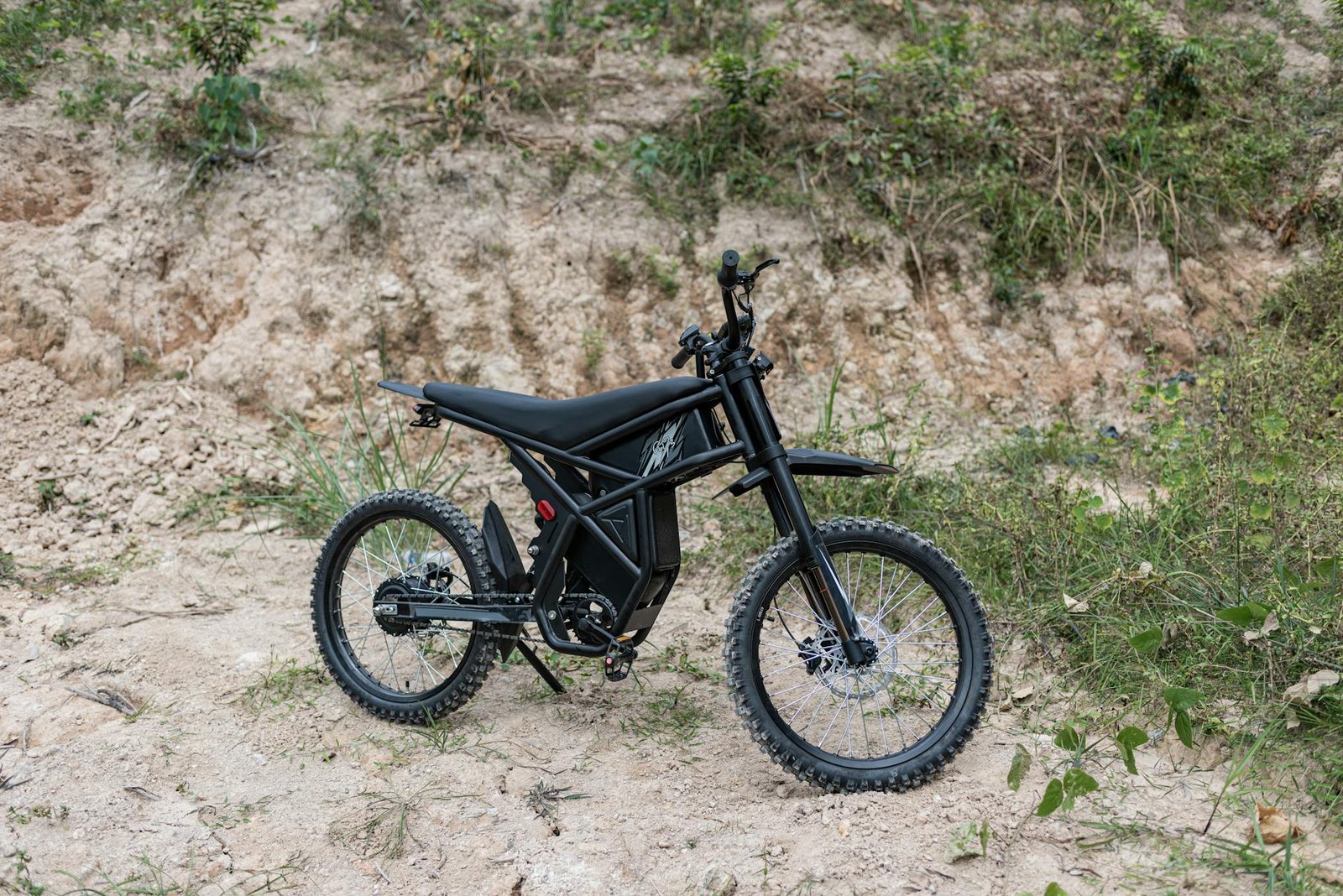
A weekend flash sale from Heybike caught my attention: their Ranger S folding fat-tire e-bike dropped to $1,399 with a $250 bundle of accessories thrown in for free. The marketing screams value. Forums lit up with “best deal ever” posts. Your neighbor might have already ordered one. The pitch is simple: premium e-bike, entry-level price, what’s not to love?
I’ve covered enough e-bike launches to know that math this good usually hides something. Not fraud, exactly. But a gap between what you think you’re getting and what the product can actually deliver at that price point. When a company drops a model by 30% or more and tosses in free gear, someone is absorbing that cost. The question is whether it’s the manufacturer’s margin or the product’s durability.
The Sale Cycle That Never Ends
Heybike’s pricing strategy isn’t new. The Ranger S launched at a higher MSRP, ran occasional promotions, then settled into a pattern of aggressive sales around major retail weekends. Memorial Day, Black Friday, end-of-quarter pushes. The $1,399 price point keeps reappearing.
This tells you the “regular” price is mostly decorative. The sale price is the real price. Companies do this to create urgency and capture comparison shoppers who filter by discount percentage. It works. But it also means the component budget behind that $1,399 figure is the number that matters, not the crossed-out $1,799 you see in the ad.
E-bike teardowns and warranty claim data from the sub-$1,500 segment reveal a consistent pattern: manufacturers hit price targets by downspeccing parts that don’t show up in promotional photos. The battery uses cheaper cells with shorter cycle life. The motor comes from a third-tier supplier. The controller lacks thermal management that would let you sustain advertised power output on a long climb. The frame welds pass inspection but wouldn’t survive a fatigue test that mimics five years of regular use.
None of this makes the Heybike Ranger S a scam. It makes it a product engineered to a price, and that price does not include a lot of service life.
What $1,399 Actually Buys You
Breaking down the cost structure: a 750W motor, a 48V battery pack, hydraulic disc brakes, fat tires, a folding frame, and enough electronics to manage pedal assist and throttle control. Add shipping, retailer margin, and overhead. The bill of materials is tight.
Battery packs are the single largest cost driver in e-bikes. A quality 48V 15Ah pack using name-brand cells costs $300 to $400 at manufacturer pricing. Cheaper cells cut that to $150 to $250. The difference shows up 18 months later when range starts dropping faster than expected. Manufacturers banking on short ownership cycles don’t worry about this. Customers who plan to ride for five years should.
The motor and controller pairing determines whether advertised power ratings mean anything. A 750W nominal motor can pull closer to 1,000W peak if the controller allows it and thermal management keeps temps in check. Budget controllers often limit sustained output to avoid burning up cheaper MOSFETs. You get the peak wattage in short bursts, enough to feel impressive on a test ride, but not enough to maintain speed on a long grade with cargo.
Frame quality is harder to assess without destructive testing, but folding mechanisms add complexity and failure points. Cheaper execution means more play in the hinge over time, which translates to handling that gets vague as the bike ages. This isn’t a safety crisis. It’s a ridability penalty that makes the bike less pleasant to use as it wears.
The Bundle’s Hidden Cost
That $250 accessory bundle looks generous until you price out the components. A basic phone mount, a set of LED lights, a rear rack, maybe a lock or pump. Wholesale cost is probably $60 to $80. The $250 figure represents inflated retail pricing that no one actually pays.
The bundle does two things: it makes the discount look bigger, and it moves accessories with terrible margins off the shelf. Retailers and manufacturers both win. The customer gets parts they might need, but at a quality level matching the bike’s price point. The lock will slow down a thief who forgot their bolt cutters. The lights will work until water gets in.
This isn’t unique to Heybike. It’s standard practice across the e-bike industry’s budget tier. But it’s worth understanding that “free” accessories are priced into the transaction somewhere.
Why This Model Persists
The e-bike market sorted itself into distinct tiers over the past five years. Premium brands like Riese & Müller or Stromer target buyers treating an e-bike as a car replacement, with pricing and component quality to match. The budget tier chases recreational users and price-sensitive commuters who want electric assist but can’t justify $3,000.
Both segments are rational. The tension appears when budget-tier marketing borrows premium-tier language. Heybike describes several models as “flagship” or “pro,” positioning them against bikes costing twice as much. The specs look similar on paper: comparable wattage, voltage, and range claims. The difference lives in components you can’t see in a product photo and performance characteristics that only emerge after months of use.
Buyers who understand this trade-off can make informed decisions. A $1,399 e-bike that lasts three years of recreational use delivers value if you budget for replacement. The problem is when the marketing implies durability that the component budget can’t support.
The incentive structure rewards this ambiguity. Customers shopping by price and headline specs can’t easily distinguish between a $1,399 bike engineered for 2,000 charge cycles and one built for 500. Both hit the checkout button at the same rate. Warranty claims spike later, but by then the manufacturer has moved on to the next model.
What You’re Actually Buying
The Heybike Ranger S at $1,399 is not a bad deal if you calibrate expectations. It’s a recreational e-bike with a limited service life, suitable for weekend rides and light errands. It will probably not replace a car for daily commuting. It will lose capacity faster than you expect. Parts will need replacement sooner than premium bikes.
This is fine, as long as the price reflects total cost of ownership rather than just the initial purchase. A bike that costs $1,400 upfront but needs $600 in battery replacement and component repairs over three years costs more than a $2,400 bike that runs for six years with minimal maintenance.
The sale price catches your eye because it’s easy to compare. The service life and component quality require research that most buyers won’t do. That gap is where the deal starts looking less appealing once you run the actual numbers.