A friend texted me last week about an electric bike bundle. Fat tires, passenger seat, cargo racks, the works. The price: $2,125 after discounts. “Good deal?” he asked. I sent back a question: “What are you actually going to do with it?” He didn’t have an answer. Three days later, he bought it anyway. The bike is currently in his garage, ridden twice.
This pattern repeats constantly in the electric bike market. Someone sees electric bike deals advertised, the numbers look compelling compared to the MSRP, and the purchase happens before the buyer figures out whether the thing solves an actual problem in their life. The industry has gotten very good at packaging compelling feature sets at discount prices. But they haven’t solved the gap between “this seems like good value” and “this will actually get used.”
The Feature Stack Looks Like a Bargain
Electric bike deals often bundle accessories that inflate the perceived value. A passenger seat adds $150-200 to the package price. Cargo racks, another $100-150. Fenders, lights, a phone mount. By the time you see the final number, you’re comparing it against what you’d pay for all those items separately, not against whether you need them.
The Velotric Go Mad bundle my friend bought included a passenger kit and cargo accessories. On paper, that’s a $300-400 value added to a $1,799 base price. The discount brought the total to $2,125. He saved money, technically. But he lives alone, commutes by car, and has never once mentioned wanting to haul cargo on a bike. The passenger seat was for a use case he imagined, not one he had.
Manufacturers want to move higher-priced SKUs. Dealers want to close sales. Both benefit from bundling features that sound useful in the abstract. The buyer gets a dopamine hit from the deal, then has to reverse-engineer a use case to justify the purchase.
The Real Friction Point Is Behavioral, Not Financial
The actual barrier to electric bike adoption isn’t price. Integrating a new vehicle type into an existing routine is harder than spending money.
I see this in purchase patterns. Someone buys an e-bike for commuting, then realizes their office doesn’t have secure bike parking. Or they buy one for errands, then discover that grocery runs require planning around cargo capacity and weather. Fat-tire utility models seem perfect for weekend adventures until loading them into a vehicle or onto a rack becomes a 70-pound wrestling match they don’t want to repeat.
The industry frames this as an awareness problem. If buyers just understood the benefits, adoption would follow. But buyers already understand the benefits. They’re buying the bikes. They underestimate the friction of actually using them. A $2,000 purchase is easier to justify than changing your entire daily routine to make the purchase worthwhile.
Deals Accelerate Purchases, Not Integration
Price promotions work by creating urgency. Limited-time offers, bundle discounts, seasonal sales. All of these compress the decision timeline. The buyer moves from “I’m thinking about it” to “I need to decide now” without passing through “let me test whether this fits my life.”
Electric bike deals often cluster around spring. The weather is improving, people are thinking about outdoor activities, and manufacturers are clearing inventory for new models. The conditions are perfect for impulse purchases that feel justified. You’re buying in at the right time, getting a good price, and the season ahead offers months to use the thing. Except that most people’s lives don’t have a bike-shaped hole waiting to be filled.
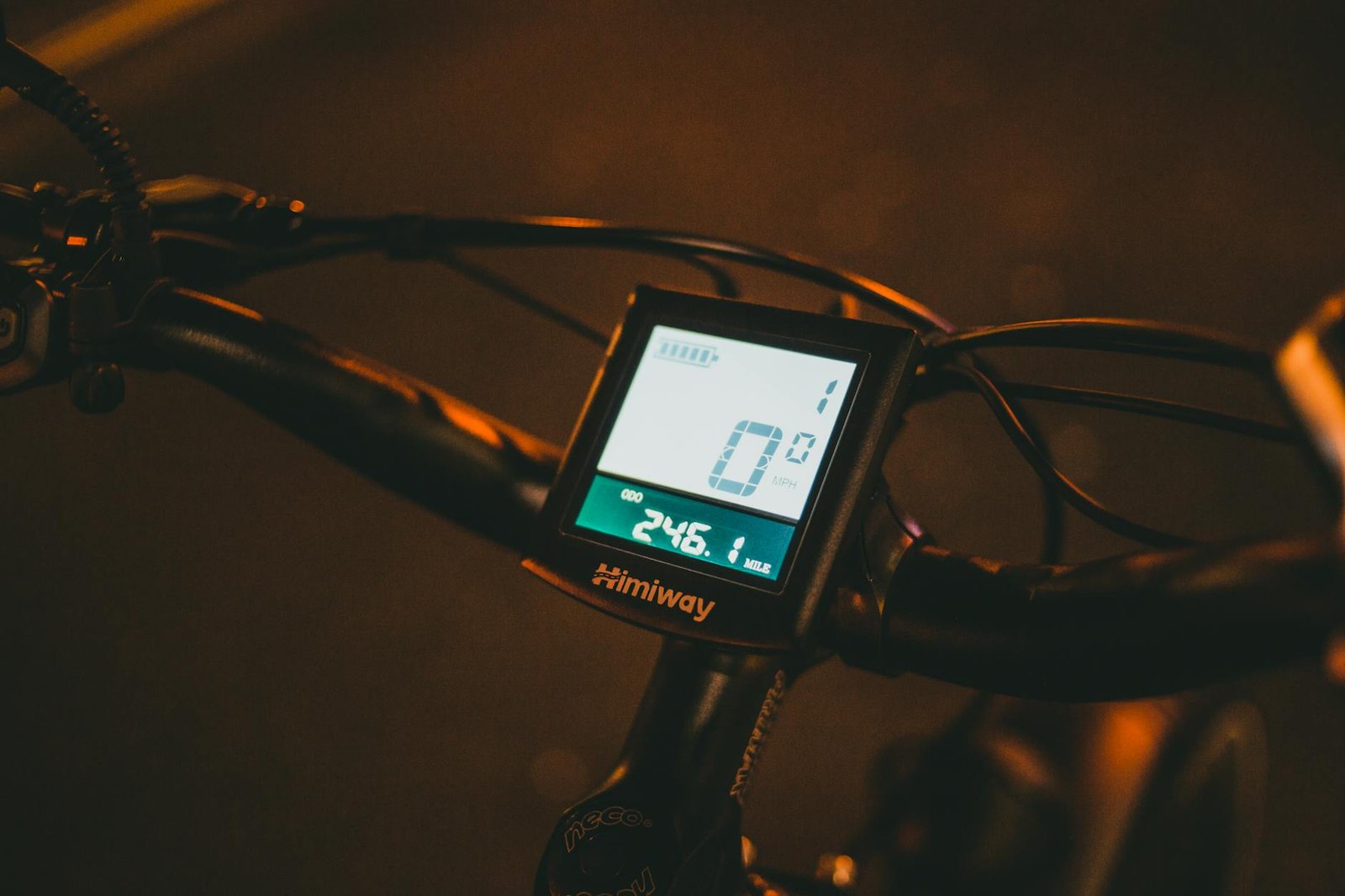
Check Craigslist or Facebook Marketplace in any mid-sized city. You’ll find dozens of electric bikes listed at 50 to 70 percent of retail, often with fewer than 100 miles on the odometer. The sellers aren’t trying to recoup a bad investment. They’re admitting that the bike didn’t integrate into their routine the way they expected.
What the Industry Overlooks
Manufacturers and dealers focus on reducing the financial barrier to entry. Lower prices, financing options, trade-in programs. These tactics work for moving inventory. They don’t increase usage. The bikes get sold, but they don’t get ridden, which means the buyer doesn’t become an evangelist for the category. They become someone who owns an expensive object they feel guilty about not using.
The smarter play would be rental programs or trial periods that let buyers test integration before committing. Some cities have bike-share systems that include e-bikes, but those are designed for casual use, not as a try-before-you-buy pathway. A dealer could offer a week-long rental that applies toward purchase if the customer converts. That would filter out buyers who like the idea more than the reality.
Another approach: hyper-local use case validation. Instead of generic marketing about freedom and sustainability, show someone in the buyer’s actual neighborhood using an e-bike for their specific routine. Commuting to the office park three miles away. Grocery runs to the store on the corner. Dropping kids at school. These concrete scenarios let buyers visualize the friction points before they spend money.
The Actual Calculation Buyers Should Make
Before jumping on electric bike deals, work backward from the use case. Identify three specific trips you currently make by car that you could realistically make by bike. Then ride those routes on a regular bike, if you have one, or walk them. Note the terrain, the traffic, the weather conditions, the parking situation at both ends. If you can’t name three trips right now, the e-bike will sit in your garage no matter how good the deal is.
Next, calculate the break-even point. If you’re spending $2,000 on an e-bike to save gas money, how many trips does it take to recoup that? If gas costs $4 per gallon and your car gets 25 miles per gallon, a 10-mile round trip saves $1.60. You need 1,250 trips to break even on fuel costs alone. That’s roughly four years if you make the trip three times per week. The financial case only works if the bike replaces a significant amount of driving, or if you value the ride itself beyond the cost savings.
Finally, assess the behavioral change required. Does your workplace have bike parking and a shower? Can you carry what you need in panniers or a cargo rack? Are you willing to ride in rain or cold? These aren’t hypothetical questions. They’re the daily frictions that determine whether the bike becomes part of your routine or an expensive reminder of good intentions.
Electric bike deals will keep getting better. Prices will drop, features will improve, and the marketing will get more persuasive. None of that changes the core challenge: integrating a new vehicle into an existing life. The buyers who succeed are the ones who solve that problem before they open their wallet, not after.