You’re configuring a Chevrolet Bolt online at midnight. The window says 262 miles of EPA range. Your daily commute is 35 miles each way, mostly highway at 70 mph. You need to know: will the EPA number hold, or are you looking at a range you’ll never actually see? The 2027 Bolt starts under $30,000 with a 65-kWh LFP battery, making it one of the cheapest new EVs available. The gap between the EPA highway rating of 232 miles and real-world highway performance tells you everything about how to think about electric range claims.
InsideEVs ran the Bolt at a steady 70 mph on the New Jersey Turnpike until the battery hit 1% state of charge. The result: 243 miles. That’s 11 miles better than the EPA highway number, which seems like good news until you understand what the EPA highway test actually measures.
The Numbers Everyone Sees First
The EPA combined rating is 262 miles. The EPA highway rating is 232 miles. At 70 mph, the Bolt delivered 243 miles on a 65-kWh usable battery, averaging roughly 3.7 miles per kWh. Ambient temperature ranged from 71°F to 80°F. The test vehicle was a base LT trim with 17-inch wheels, tires at manufacturer spec, climate control in efficiency mode.
A separate test by EV Motoring pushed the speed to 75 mph and got 197 miles, averaging roughly 3.0 miles per kWh. That’s a 46-mile drop for a 5-mph increase in cruise speed. The energy cost of highway speed isn’t linear. It follows a curve that gets steep fast.
These numbers matter because the EPA highway test cycle never exceeds about 60 mph. The test simulates highway driving as it existed in regulatory imagination decades ago, not interstate travel at modern traffic speeds. When the sticker says 232 miles of highway range, it means 232 miles at speeds most highways haven’t seen since the Carter administration.
What Highway Speed Actually Costs You
The Bolt’s 70-mph performance beat the EPA highway number because the EPA highway test includes acceleration cycles, speed variation, and lower average speeds. A steady 70 mph cruise proved more efficient in this test than the cycle’s varied profile, even though 70 mph is faster than the test’s peak speed. This creates a strange inversion: the EPA highway number can undersell steady-state cruising on flat, warm roads while overselling your range on an actual road trip that includes mountains, headwinds, or any speed over 70.
At 75 mph, you’re down to 197 miles. The difference between 70 and 75 mph costs you 46 miles of range, nearly 19% of the total. Aerodynamic drag increases with the square of velocity, and the power needed to overcome it with the cube. At highway speeds, you’re fighting air resistance more than anything else. The Bolt’s blunt front end and upright shape don’t help. Every 5 mph costs you disproportionately more energy than the previous 5 mph.
The LFP battery chemistry matters here too. Lithium iron phosphate cells are cheaper and more thermally stable than nickel-based chemistries, which is why GM spec’d them for a vehicle targeting price-conscious buyers. LFP has lower energy density, which means a heavier pack for the same usable capacity. More weight means more energy to accelerate and climb, though at steady highway cruise aerodynamic drag dominates. The tradeoff is invisible until you’re on hour three of a highway drive watching the range estimate drop faster than the miles tick by.
Temperature stayed between 71°F and 80°F during the test. Cold weather would crater these numbers. LFP batteries tend to lose more usable capacity in cold temperatures than NMC or NCA cells. A January highway trip in Minnesota would deliver materially worse range than this warm-weather New Jersey test. The battery’s thermal management system would burn energy keeping cells warm enough to function, and the cabin heater would pull kilowatts you can’t spare.
Who Gets the Advertised Range
If your commute is surface streets at 45 mph average, you’ll beat the EPA combined number. Urban driving rewards regenerative braking and punishes highway speeds. The Bolt’s single-motor front-wheel-drive layout is optimized for exactly this use case. Frequent deceleration puts energy back in the battery. Low speeds minimize aero drag. You’re operating in the efficiency sweet spot.
If you’re a highway commuter doing 70-plus in both directions, plan on 240 miles of real range in decent weather. That’s 35 miles each way with 170 miles of buffer. Comfortable. Add winter temperatures, and you’re looking at 180 to 200 miles of usable range, which turns a 70-mile daily round trip into a vehicle you’ll want to charge every night to stay comfortable.
Weekend road trippers face a different constraint. The Bolt charges at a peak rate around 55 kW on DC fast charging, tapering as the battery fills. Getting from 20% to 80% takes roughly 45 minutes under ideal conditions. On a 400-mile trip at 70 mph, you’re stopping once or twice for charge sessions that eat close to an hour each when you factor in exit, plug-in, bathroom, and merge back onto the highway. The total trip time stretches by a couple of hours compared to a gas vehicle.
The Variable That Decides Everything
Access to home charging changes the entire equation. If you can plug in overnight at home or work, range becomes irrelevant for daily use. You start every day at 100%. Your effective range is your daily consumption, not the battery’s total capacity. The vehicle works.
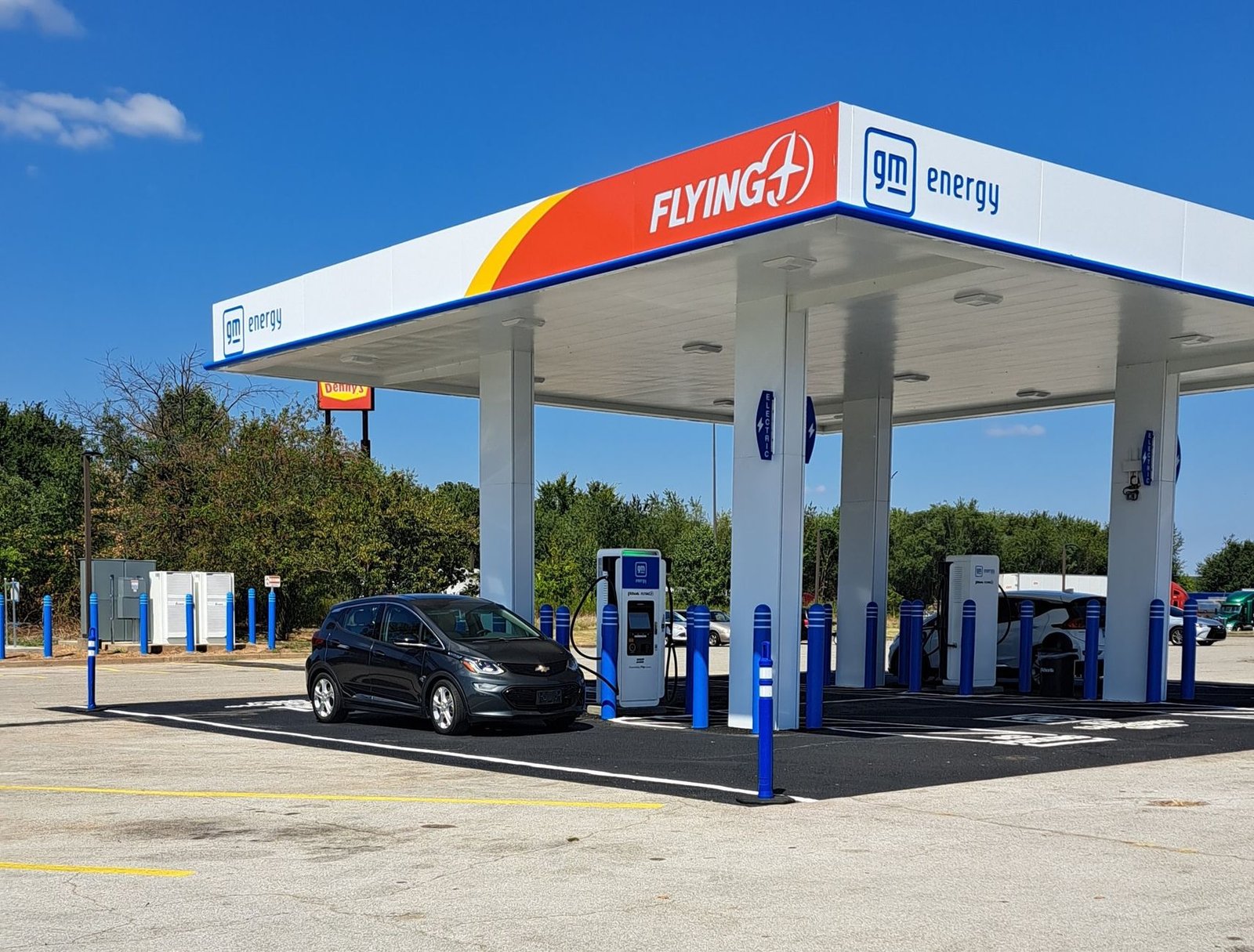
Without home charging, you’re relying on public infrastructure and planning trips around DC fast charger locations. The Bolt’s roughly 55-kW charge rate means you’re the slowest vehicle at the station. Newer EVs charging at 150 to 350 kW are in and out while you’re waiting. This isn’t a Bolt problem specifically. It’s an architecture problem for any vehicle built to a $30,000 price point. Fast charging hardware costs money. GM spent the budget on battery capacity and left charging speed on the table.
The Purchase Decision This Unlocks
If you have a garage with a 240-volt outlet and your daily driving stays under 200 miles even in winter, the Bolt is $30,000 of functional transportation. The range anxiety everyone talks about doesn’t apply to you. You’re never using the full battery because you’re rarely starting a trip anywhere near empty.
For apartment dwellers or frequent road trippers, the Bolt’s charging speed and real-world highway range become constraints you’ll feel every week. The $30,000 price loses its appeal when you’re adding an hour or two to every long drive. A plug-in hybrid at $35,000 starts looking like better economics because it eliminates range planning entirely.
The Bolt isn’t America’s cheapest EV because GM discovered some cost breakthrough. It’s cheap because GM made specific tradeoffs: LFP cells instead of high-density nickel, modest charging speed, and a value-oriented thermal and equipment package. These are rational decisions for a vehicle targeting buyers who charge at home and drive locally. They become problems the moment your use case doesn’t match that profile. The Bolt’s range works if your life fits the design envelope. If it doesn’t, no amount of EPA-rated miles will fix the mismatch.