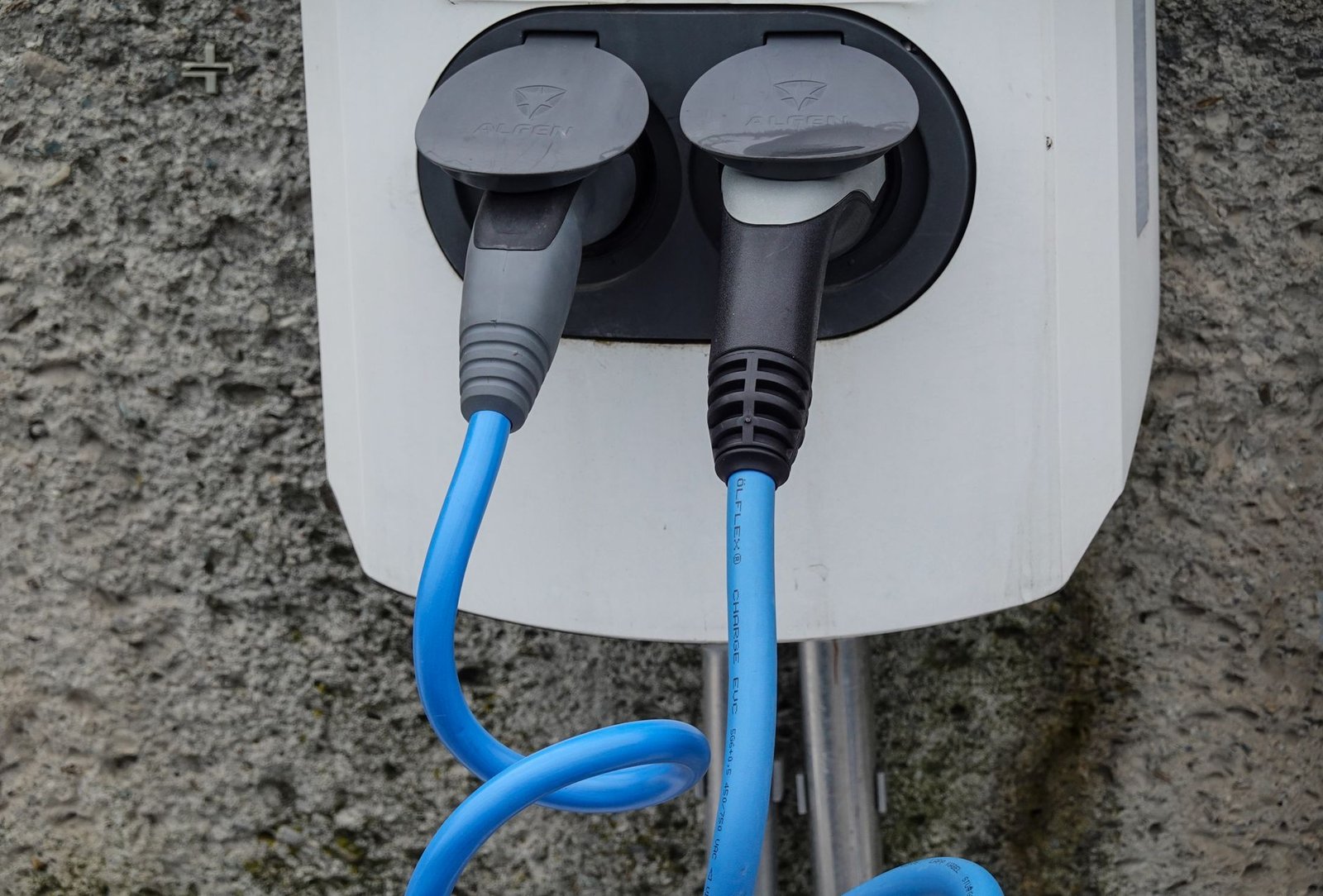
A driver pulls into a rest area with four 350 kW chargers. All four plugs are occupied. She waits 12 minutes, checks her phone twice, then drives to the next exit and buys gas instead. The hardware at that first site could theoretically add 200 miles of range in 10 minutes. Zero plugs available means zero kilowatt-hours delivered, and one more driver who remembers why she kept the old Camry.
This isn’t a hypothetical scenario. It’s the utilization problem that charging operators finally started measuring systematically. The result contradicts most of the industry’s infrastructure investment thesis from the past five years.
The Speed Race Nobody Asked For
Charging networks spent the last decade competing on peak power numbers. Electrify America marketed 350 kW capability. Tesla built V3 Superchargers capable of 250 kW per stall. EVgo advertised 350 kW pilots. The implicit logic: faster charging means better customer experience, which drives higher utilization and better unit economics.
That logic failed the queue test. A site with four 350 kW chargers delivers nothing to the fifth car that arrives. A site with eight 150 kW chargers serves twice as many vehicles in the same timeframe, assuming even modest stagger in arrival patterns. The power gap matters far less than the hardware economics suggested it would.
Most EV drivers don’t stay for a full charge at public stations. They add enough range to reach their destination or their home charger. That charging session averages 20-30 minutes regardless of peak power, because drivers don’t sit at 80% waiting for the final slow trickle to reach 100%. The difference between 150 kW and 350 kW shrinks when you account for the charge curve and typical session length.
What Utilization Data Actually Reveals
Site-level data from charging hardware suppliers shows plug count correlates more strongly with total energy delivered than installed power does. Sites with eight plugs moved roughly double the kilowatt-hours compared to four-plug sites, even when the smaller sites had higher per-plug power ratings. The relationship isn’t perfectly linear, but the direction is clear: availability matters more than peak speed for aggregate throughput.
The correlation holds across distributed power architectures, where the system dynamically allocates available capacity across active charging sessions. An eight-plug site with 800 kW of total capacity can serve eight vehicles at 100 kW each when fully occupied, or concentrate several hundred kilowatts on a single vehicle during off-peak hours. That flexibility captures more of the variable demand than a fixed-power site with fewer, faster chargers.
But correlation isn’t causation, and the disclosed data leaves critical questions unanswered. Did the comparison control for location quality, site age, local EV adoption rates, or pricing? An eight-plug site at a busy highway rest area will naturally see higher utilization than a four-plug site in a secondary location. Without those controls, the plug-count correlation might simply be measuring site selection quality rather than customer response to availability.
Why Buyers Actually Leave
The friction isn’t charging speed. It’s charging anxiety, which is different from range anxiety. Range anxiety is the fear of running out of charge. Charging anxiety is the uncertainty about whether you’ll find an available, working plug when you need one.
Drivers adapt to slower charging speeds within a session. You grab coffee, check email, or stretch your legs. The marginal value of cutting a 25-minute session to 15 minutes is real but modest. Arriving to find no available plugs is binary: zero charge delivered, plus the time wasted on the detour, plus the cognitive load of recalculating your route options.
That binary outcome shapes buying decisions. Potential EV buyers ask current owners about charging reliability. “Can I always find a charger when I need one?” matters more than “How fast does it charge?” in those conversations. A network with more plugs per site, even if each plug is slower, reduces the failure rate that kills word-of-mouth adoption.
Tesla understood this earlier than the third-party networks. Supercharger sites commonly have 8-12 stalls or more, not because Tesla’s vehicles charge slower, but because availability eliminates the anxiety that prevents non-owners from considering the switch. Adding stalls is relatively cheap compared to the customer acquisition cost of a failed charging experience that stops a potential buyer.
The Capital Allocation Error
Charging site economics depend on utilization, which depends on customer willingness to choose your site over alternatives. That willingness isn’t primarily driven by speed. Availability and reliability determine whether drivers return.
A 350 kW charger costs meaningfully more than a 150 kW unit in hardware alone, before accounting for utility upgrade costs. That capital delta buys you the ability to serve a single vehicle marginally faster. The same budget allocated to more plugs at moderate power levels serves more vehicles and reduces queue length.
The utility upgrade math reinforces the plug-count advantage. Because not all plugs hit peak draw simultaneously, a load-managed multi-plug site rarely needs the full nameplate capacity of its plugs. Load management systems can allocate 800 kW of site capacity across eight plugs more efficiently than dedicating that capacity to a handful of high-power units. The diversity factor improves economics while reducing queue risk.
Networks that chased headline power numbers for competitive positioning now face a retrofit problem. Adding plugs to existing sites often requires utility upgrades anyway, negating part of the original capital efficiency argument. Some operators install high-power chargers with moderate site capacity, forcing power-sharing that negates the advertised speed when multiple vehicles charge simultaneously. The driver experience at those sites is worse than if the network had simply installed more moderate-power plugs from the start.
Reframing the Build-Out Logic
The right question isn’t “How fast should each charger be?” It’s “How many vehicles can this site serve per hour during peak periods?” That denominator determines whether the site captures latent demand or turns away drivers who then question whether EV ownership works for them.
A site serving six vehicles per hour with 150 kW plugs captures three times the transaction volume of a two-plug, 350 kW site serving two vehicles per hour. The revenue math favors volume over speed, even before accounting for the word-of-mouth effect of reliable availability.
Dynamic power allocation helps, but only if matched with sufficient plug count. An eight-plug site with load management serves the queue better than a four-plug site with higher peak power per stall. Having enough plugs to avoid queues in the first place matters more than the flexibility to shift capacity across active sessions.
Location still dominates outcomes. A four-plug site in a premium location will outperform an eight-plug site in a poor location. Within location tiers, plug count determines the ceiling on utilization. Networks that optimized for power over availability left customer volume on the table.
What This Means for Site Planning
Charging networks now face a capital reallocation problem. Sites optimized for headline speed deliver sub-optimal utilization because they can’t serve peak demand. Fixing that requires either expensive retrofits to add capacity and plugs, or accepting that those early sites will underperform relative to their capital cost.
New site deployments should default to eight-plus plugs with moderate per-plug power, unless the location specifically serves long-haul routes where drivers consistently need maximum range added quickly. Highway corridors might justify higher power. Urban and suburban sites should prioritize plug count to serve the local commuter and errand-running demand that makes up most charging sessions.
The EV charging infrastructure problem was never primarily about speed. It was always about availability and reliability. The data now confirms what customer behavior already suggested: drivers need access to a plug more than they need 350 kW when they get one. Networks that recognize this will capture more volume and better unit economics. Those that keep chasing speed records will wonder why their utilization stays stubbornly low despite the impressive power numbers on the spec sheet.