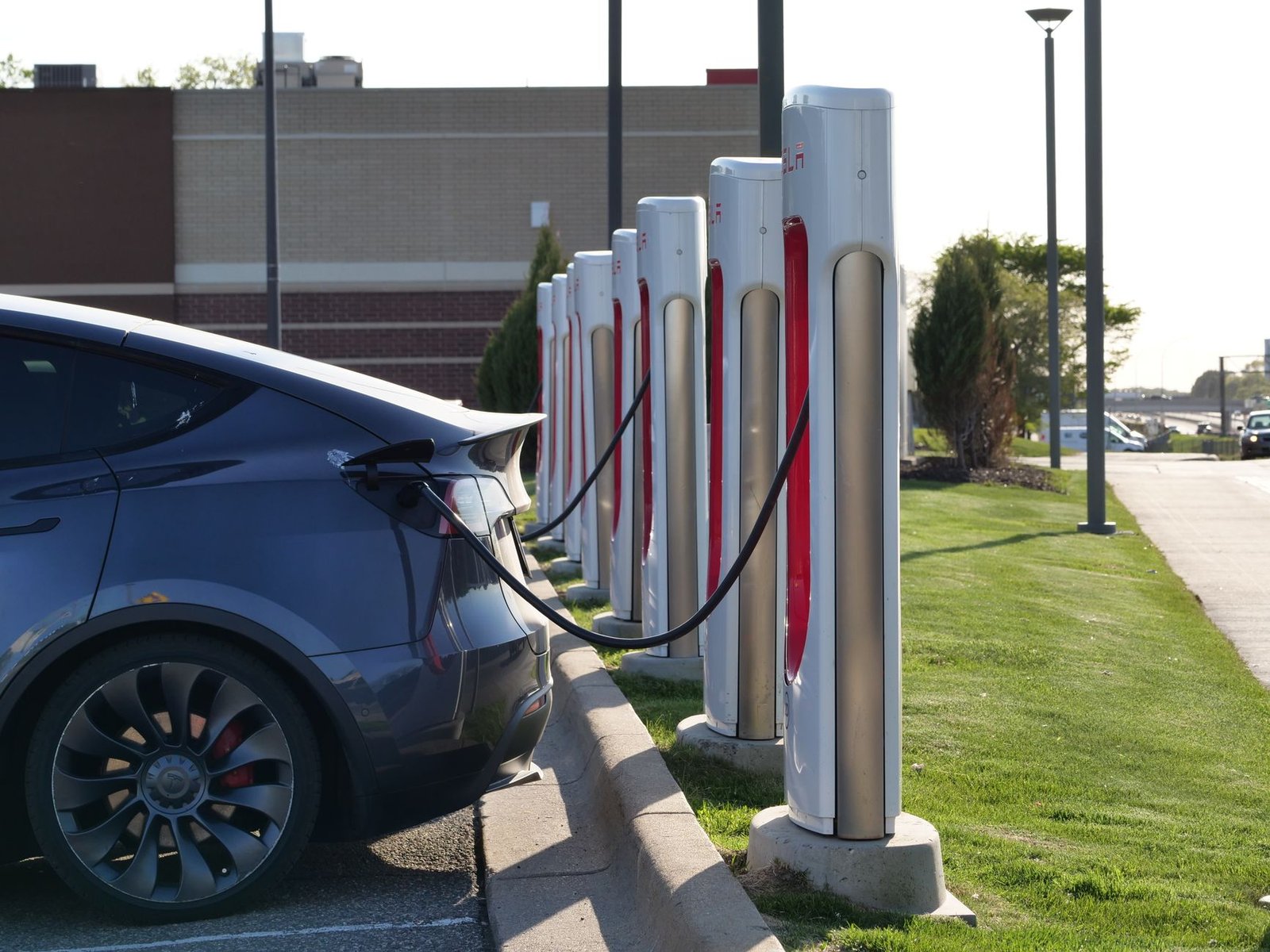
A friend who follows EVs sent me a link last month with a simple question: “If battery swap works so well in China, why don’t we have it here?” The article mentioned Nio completing over a million swaps in a single week. It sounded like the dream solution to range anxiety and charging time, the thing that would make EVs work exactly like gas cars. Pull in, swap battery, leave in five minutes. So why are we still plugging in at Electrify America stations for 30 to 45 minutes?
Battery swap isn’t a myth that doesn’t work. It’s a real technology operating at impressive scale in specific markets. Whether it could work universally, especially in markets like North America and Europe, requires looking past the headline numbers at the engineering constraints and business realities that make it viable in one context and impractical in another.
The Success Story Is Real
Nio operates one of the world’s largest battery swap networks, primarily concentrated in China. The company has built over 2,000 swap stations as of late 2024, and the system handles volume that would be impossible to fake. Users drive in, an automated system removes the depleted battery pack and installs a charged one, and the process takes roughly five minutes. The stations work 24 hours a day. This is production infrastructure serving hundreds of thousands of vehicles.
The appeal is obvious. Instead of waiting 30 to 45 minutes at a DC fast charger, you get something closer to the refueling experience of a gas station. For urban drivers in China who may not have home charging and rely on public infrastructure, that time savings matters every day. The swap model also separates battery ownership from vehicle ownership, which reduces the upfront purchase price and lets users upgrade to newer battery packs as technology improves.
Tesla demonstrated battery swap in 2013. The demonstration was slick. The pilot station in California worked. Then Tesla abandoned it and went all-in on Superchargers. That decision tells you something important about the constraints battery swap faces in different markets.
Why It Works Where It Does
Nio’s system works in China because of three factors that align in that market but not elsewhere. First, vehicle standardization. Nio controls both the vehicles and the swap infrastructure. Nio models are built around compatible battery packs with standardized mounting points and connectors. The company does not need to convince a dozen other automakers to adopt a common standard, which in the West would require years of consortium meetings and regulatory mandates.
Second, density. Chinese cities have population concentrations that justify the capital expenditure of building swap stations within a few miles of each other. A single station in Shanghai can serve a large number of vehicles because those vehicles operate in a constrained geographic area. The utilization rate makes the economics work. In sprawling American cities where people drive much farther to work, you would need far more stations to provide equivalent coverage, and each station would serve fewer vehicles.
Third, the business model fits the market. In China, many EV buyers are cost-sensitive first-time car owners who prefer lower upfront costs even if it means ongoing subscription fees. Battery-as-a-service makes the math work. In the U.S., buyers already balk at the idea that they don’t truly own their $70,000 truck because the software can be remotely disabled. Selling them a car without a battery and asking for a monthly swap subscription is a harder pitch.
The Operational Constraints
Battery swap creates real constraints that plug-in charging avoids. Every swap station needs to inventory multiple fully charged battery packs. A high-throughput station needs a buffer of charged packs on hand to maintain service during peak hours. That is an enormous amount of stored energy and a significant capital cost per location. A DC fast charging station just needs the chargers and a grid connection. The batteries stay in the cars.
Swap stations also involve repeated battery handling, which introduces wear. Connectors get plugged and unplugged many times. Mounting points get loaded and unloaded repeatedly. This is manageable with good design, but it does mean the battery packs and the swap mechanism need to be engineered for frequent cycling rather than a pack that gets installed once at the factory and removed once at end of life. That robustness can add weight and cost.
There is also the question of what happens when battery technology changes. Solid-state batteries or next-generation lithium chemistries might have different form factors, voltages, or cooling requirements. A network of swap stations designed for today’s battery packs could face expensive retrofits or obsolescence within a decade. Charging infrastructure, by contrast, just needs to deliver kilowatts. The battery chemistry is the car’s problem.
Why the West Went a Different Direction
The fundamental issue is path dependence. North America and Europe built out charging networks first. Tesla started installing Superchargers in 2012. Electrify America, Ionity, and others followed. By the time battery swap technology matured, millions of EVs were already on the road expecting to plug in, and thousands of charging stations were already built. Convincing the industry to pivot to a swap standard at this point would require scrapping that installed base and starting over.
Automakers also saw how the math worked. Building a proprietary swap network like Nio’s requires controlling the entire ecosystem. Legacy manufacturers in the West prefer to build cars and let third parties handle infrastructure. They are not interested in operating thousands of swap stations, managing battery inventory, and running subscription billing systems. The charging model lets them sell a complete car and walk away. The swap model ties them to decades of service obligations.
There is also the home charging advantage. A large majority of EV charging in the U.S. happens at home. If you can plug in overnight in your garage, the speed advantage of battery swap largely disappears. You start every day with a full battery without ever visiting a station. Swap makes the most sense for people who cannot charge at home, which is a smaller segment in suburban America than in dense Chinese cities.
What Actually Makes Sense
Battery swap works for Nio’s customers in China because the infrastructure exists, the vehicles are designed for it, and the market conditions support the business model. It is a real solution operating at scale in a specific context.
But that does not mean it translates. The West chose fast charging, home charging, and open standards. That path is now locked in by billions of dollars in sunk costs and millions of vehicles on the road. Battery swap could work here if we were starting from zero, but we are not. The question is whether it works better than what we already have. For most Western markets, the answer is no.