A reader on the RAV4 forums posted this last week: “52 miles of electric range for $42k. My Prius Prime did 44 miles for $32k three years ago. This is progress?” The post got 147 upvotes. The sentiment is everywhere. Toyota just announced the 2027 RAV4 PHEV with a native NACS port, 50 kW DC fast-charging, and an 11 kW onboard charger on upper trims. The base SE delivers 52 miles of EPA electric range from a 22.7 kWh battery. The sticker starts at $42,100 before destination fees. To a lot of people, that looks like paying ten grand more for eight extra miles of battery. The math feels broken.
Where the Skepticism Originates
The complaint is rooted in real battery economics. Lithium-ion pack costs dropped from roughly $1,200 per kilowatt-hour in 2010 to around $115 per kWh in 2024, according to BloombergNEF. At that rate, a 22.7 kWh pack should cost Toyota roughly $2,600 in cells, perhaps a bit more at the pack level. The Prius Prime’s 13.6 kWh pack would have been cheaper still. So why is the RAV4 PHEV about $10,000 more expensive than the RAV4 Hybrid, which starts at $32,300? The battery alone does not explain the gap. The perception is that Toyota is either gouging on the PHEV or subsidizing the hybrid to stay competitive. Either way, the customer is paying a premium that does not track with component costs.
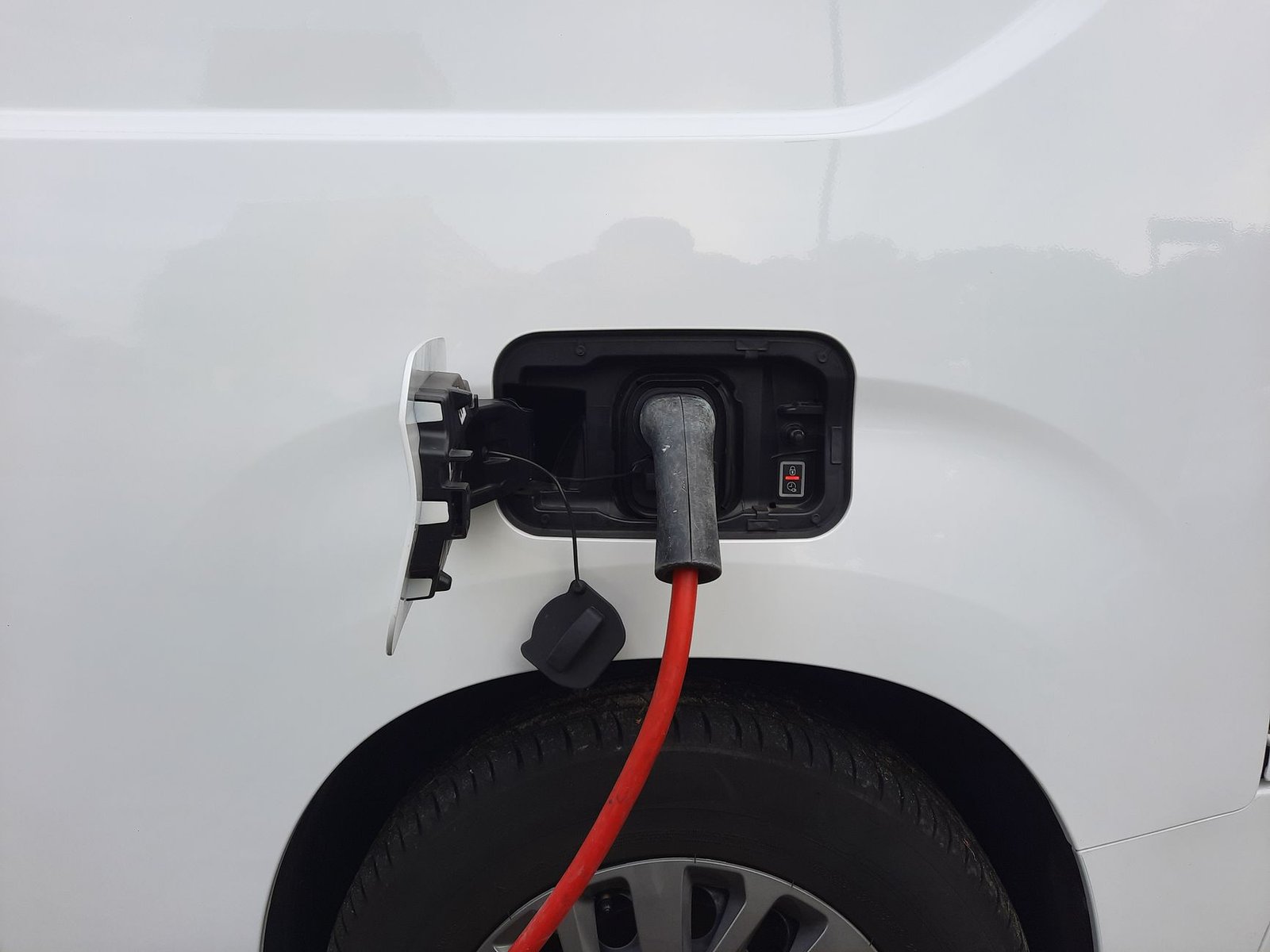
The 2027 model compounds this. Toyota moved the charge port to the driver’s side, added native NACS compatibility, and upgraded the SE and GR Sport trims to 11 kW AC charging. According to Electrek, all PHEV trims now include DC fast-charging capability, previously limited to XSE and Woodland models. InsideEVs reports the system can hit 10-80% in roughly 30 minutes at a 50 kW maximum rate. These are real improvements, but the base price climbed from the previous generation’s starting point. The RAV4 PHEV range increased by a few miles depending on trim, but not enough to offset the sticker shock.
What the Capital Breakdown Actually Shows
The roughly $10,000 premium covers more than the battery. The RAV4 PHEV delivers 321 horsepower from a 2.5-liter four-cylinder engine, two electric motors, and standard all-wheel drive. The hybrid gets 219 hp and optional AWD. The PHEV’s powertrain is fundamentally different: larger inverters, heavier-duty transmission components, thermal management for both battery charging and discharge, reinforced chassis to handle the added curb weight (the PHEV is roughly 600 pounds heavier), and upgraded suspension tuning. The Woodland trim, for example, gets new springs, shocks, and jounce bumpers to manage 8.6 inches of ground clearance with the battery pack below the floor.
Then there is the onboard charger. An 11 kW unit capable of pulling that much current from a Level 2 station is not a rounding error. The power electronics, cooling circuits, and safety interlocks add cost. Native NACS support requires engineering and additional validation testing with Tesla Supercharger infrastructure. The 50 kW DC fast-charging system demands a battery thermal management architecture that can handle rapid charge cycles without degradation. Toyota engineered the pack to accept that power, which means more robust cell chemistry, better cooling plates, and stricter quality control during pack assembly. Those are real engineering expenses.
The SE trim delivers 42 city, 39 highway, 41 combined MPG when the battery is depleted, per Electrek’s published EPA figures. The XSE drops to 40 city, 37 highway, 39 combined. The Woodland and GR Sport trims fall further due to weight and tire choices. Compare that to the RAV4 Hybrid’s 41 city, 38 highway, 40 combined across the board. The PHEV’s fuel economy in hybrid mode is not meaningfully better. The value proposition is the 52 miles of electric-only driving before the engine kicks in, not efficiency after that point.
The Grain of Truth in the Forum Post
The reader is correct that battery cost per kilowatt-hour has dropped dramatically. If you built a PHEV in a vacuum using only 2024 commodity cell prices, the incremental cost would be lower than the MSRP delta suggests. But vehicles are not built in a vacuum. The RAV4 PHEV competes in a segment where buyers expect SUV ride height, AWD capability, and towing capacity. The Prius Prime competes in the sedan and hatchback segment where those features are irrelevant. The structural requirements are different. The Prius does not need to clear over eight inches of ground with a heavy battery pack, and it does not offer a 321 hp powertrain.
Toyota also has to amortize tooling and validation costs across a smaller production volume. The RAV4 Hybrid sold over 100,000 units in the U.S. in 2023. The PHEV moved fewer than 20,000. Fixed costs per unit are higher when you spread them across a fifth of the volume. The NACS port and broader DC fast-charging rollout are new for 2027. Those systems required crash testing, thermal validation, and electromagnetic compatibility testing. That is capital Toyota spent to make the product competitive, and it shows up in the sticker.
Why Buyers Keep Doing the Math Wrong
The forum post treats the battery as the only variable when the buyer is also choosing between a low-slung hatchback and a high-riding SUV with standard AWD, between 219 hp and 321 hp, between a vehicle that can tow nothing and one rated for towing. The roughly $10,000 gap covers all of that, not just the battery.
The mistake is isolating the battery as the sole cost driver. In reality, the PHEV powertrain is a complete system redesign. The electric motors are larger. The inverter is more powerful. The cooling system is more complex. The suspension is retuned. The chassis is reinforced. The charge port, wiring harness, and safety interlocks are all unique to the PHEV. When you add up those components, the delta begins to track.
There is also a behavioral factor. Buyers see “plug-in hybrid” and mentally anchor to battery cost because that is the visible differentiator. They do not see the inverter, the thermal management system, or the upgraded halfshafts. Those components are invisible, so they do not register in the value calculation. The result is sticker shock that feels unjustified, even when the engineering economics are sound.
The Accurate Cost Model
The 2027 RAV4 PHEV is a different powertrain architecture optimized for a different use case, not a RAV4 Hybrid with a bigger battery bolted on. The SE trim starts at $42,100. Subtract the $32,300 base RAV4 Hybrid LE, and you get a $9,800 premium. That premium buys you 52 miles of electric range, roughly 100 additional horsepower, standard AWD, an 11 kW onboard charger, native NACS compatibility, and 50 kW DC fast-charging. The battery itself costs Toyota on the order of $2,600 to $3,000 in cells. The remainder covers the motors, inverter, thermal system, chassis reinforcement, and validation testing.
Is that good value? It depends entirely on your commute. If you drive 40 miles round-trip to work and charge nightly, the PHEV can recoup much of its premium in fuel savings over several years. If you drive 200 miles a day on highways, the hybrid makes more sense. The RAV4 PHEV’s 52-mile range is not arbitrary. It comfortably covers the typical American commute; the average one-way commute is roughly 20 miles, or about 40 miles round-trip. Toyota engineered the pack to that kind of target. The forum poster wanted cheaper batteries. Toyota delivered a vehicle that eliminates most drivers’ gasoline consumption during the week. Those are different objectives, and the pricing reflects that.