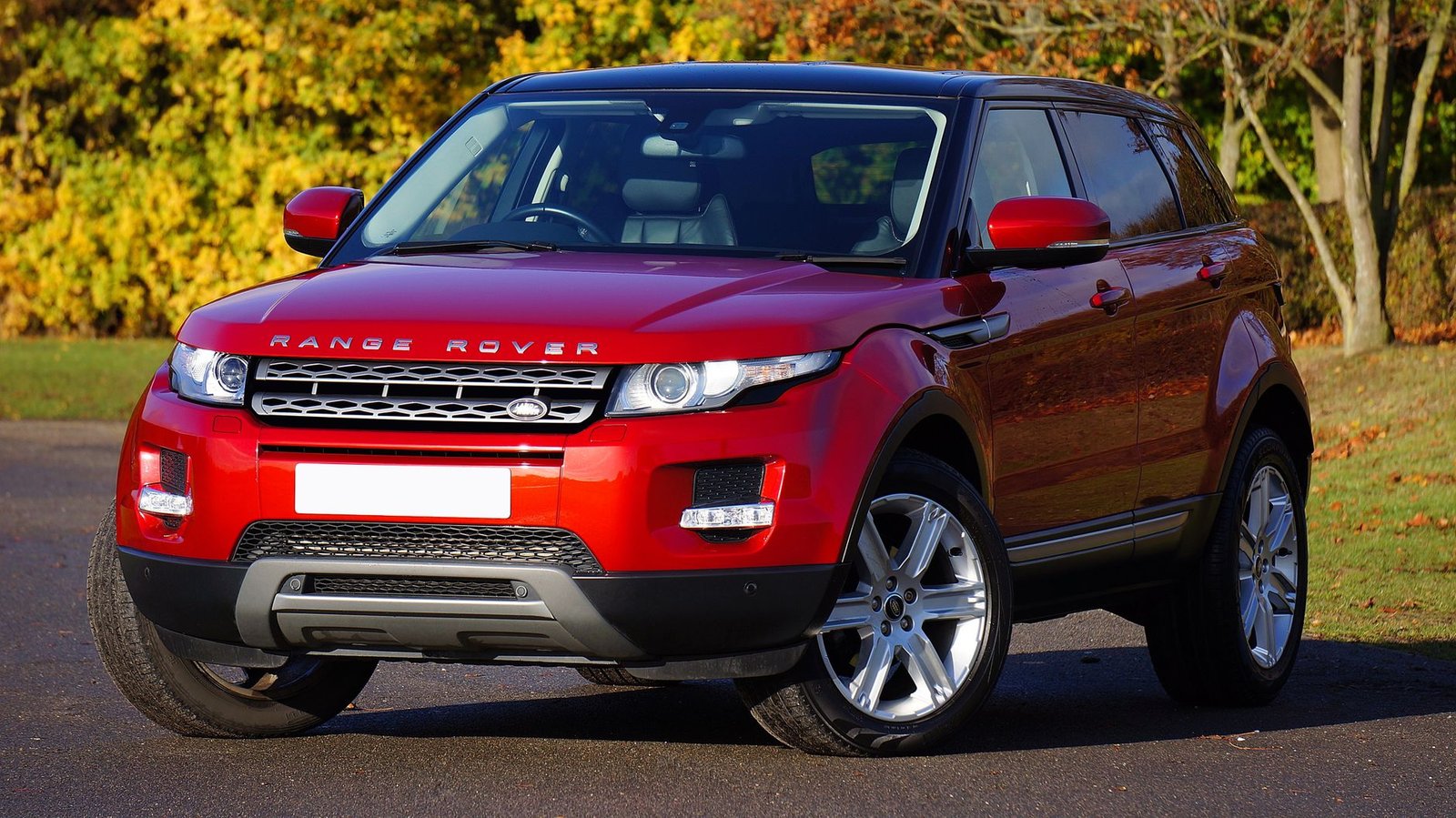
A fleet manager stands at a charging station in Stuttgart watching a Mercedes-Benz unplug and drive away. The station that Mercedes built, branded, and operated for three years now belongs to Electra, a French charging network that paid €99 million for 374 fast-charging ports across Europe. The manager’s company runs 50 Range Rovers. Next year, Range Rover promises an entry EV to replace the discontinued Evoque and Velar. The question is who owns the infrastructure you depend on when you buy it.
This is the structural problem luxury EV buyers face in 2025. Mercedes spent three years building a proprietary charging network. They installed Alpitronic hardware, much of it rated up to 400 kilowatts, at 47 locations. Then they sold the whole operation. Mercedes-Benz EV drivers now get discounted rates at roughly 5,000 Electra charging points across more than 800 locations, but they no longer control the network. Meanwhile, Tesla owners can forcibly disconnect from Superchargers using the Emergency Drive Away feature, which can trigger service fees reported to range from roughly $33 to $539 depending on the service center’s assessment of potential damage.
Luxury buyers face a choice between trusting a brand to solve charging or accepting that charging infrastructure follows different economics than vehicle manufacturing.
The Numbers Buyers Actually See
Mercedes-Benz sold their European charging network to Electra for €99 million, according to figures tied to the deal. Across 374 ports at 47 locations, that works out to roughly €2.1 million per location, or about €265,000 per port. In the United States, Mercedes continues operating its own branded charging network, and in Canada as well. The North American operations weren’t part of the European sale.
Tesla’s approach generates different costs. When an owner activates Emergency Drive Away to forcibly disconnect from a Supercharger, the feature can disable the charging stall and flag the vehicle for service. Reported costs vary widely: one owner paid $539 for a charge port inspection without driving after activation. Another paid $33.15 after an initial estimate of $255. A third was charged $178.20. Some service centers waived fees as goodwill gestures.
Range Rover buyers looking at the upcoming entry EV will see neither of these cost structures directly. They’ll see a purchase price and an EPA range estimate. The charging infrastructure question gets pushed to footnotes.
The Clock That Started Three Years Ago
Mercedes launched their proprietary European charging network roughly three years ago. The timing matters because 2022 was the inflection point when luxury automakers had to decide: build charging networks or partner with existing operators. Mercedes chose to build. They installed hardware, negotiated site leases, hired network operations staff, and branded the whole system around their three-pointed star.
Roughly three years later, they exited. Paul Tonini, Electra’s General Manager for Germany, told Electrive the market is consolidating around larger providers. Translation: operating 374 charging ports doesn’t generate enough utilization to cover fixed costs at that scale.
Electra now operates those 374 former Mercedes ports alongside its broader network of roughly 5,000 charging points. Mercedes-Benz drivers get “Premium Partner” status, but that’s access, not ownership. When utilization drops at a former Mercedes-Benz station in a secondary market, Electra decides whether to keep it online, not Stuttgart.
Tesla made the opposite bet. They started building Superchargers in 2012. By the time Mercedes was planning their 2022 network launch, Tesla had spent a decade learning which locations generate revenue and which don’t. The Emergency Drive Away feature exists because Tesla controls the hardware and the billing relationship. When someone forcibly disconnects, Tesla can flag a service visit and inspect for damage to their equipment. Mercedes drivers using Electra chargers can’t forcibly disconnect because they’re not Tesla’s customers anymore. They’re Electra’s customers at a discounted rate.
What Your Purchase Actually Locks In
Buying a Range Rover entry EV locks you into whatever charging partnerships JLR negotiates. Those partnerships will change. Networks consolidate, access agreements expire, pricing tiers adjust. The vehicle you buy in 2026 might have different charging access in 2029.
Buying a Mercedes EV in Europe locks you into Electra’s Premium Partner pricing and other partner networks. These are capable networks. None is under Mercedes’ direct control. If Electra decides a location 40 miles from your office doesn’t pencil financially, you lose access. If their billing system has a bug, you call Electra support, not Mercedes.
Buying a Tesla locks you into Superchargers plus whatever partnerships Tesla maintains. The network quality is higher because Tesla has more than a decade of site selection data. The tradeoff is heavy dependency. If you need to forcibly disconnect, you may pay for a service visit. The fee varies by service center and inspector judgment, not published policy. One owner drove away immediately after activating Emergency Drive Away and paid $33.15. Another activated it, didn’t drive, and paid $539 for the inspection alone.
The Range Rover entry EV will advertise its range number and its charging curve. It won’t advertise how many charging agreements JLR will maintain, or for how long, or at what price. That uncertainty is the product.
The Choice You’re Actually Making
You’re deciding whether you’re buying charging infrastructure access or vehicle capability. Mercedes tried to bundle both. They spent heavily building a network over three years, then sold it. Whatever the accounting, they extracted themselves from the infrastructure business and kept the vehicle business.
Range Rover is likely to follow a similar path. The entry EV will launch with charging partnerships. Those partnerships will shift as networks consolidate. JLR is unlikely to own the infrastructure because operating a few hundred ports in Europe didn’t work for Mercedes, and it’s even less likely to work for a smaller-volume luxury brand.
Tesla keeps infrastructure and vehicles bundled. That bundling creates different costs. Emergency Drive Away service fees aren’t consistently published because they depend on damage assessment. The service center in one city might charge $33. Another charges $539 for a similar inspection. You accept that variance because you get access to one of the most reliable fast-charging networks in North America.
The Range Rover entry EV offers a third path: accept that charging infrastructure is separate from the vehicle purchase. Your access depends on partnerships that will change. Your costs depend on which networks JLR maintains agreements with next year, and the year after that.
The Infrastructure You Don’t Control
Mercedes’ decision to sell their European charging network reveals what most automakers already suspect: luxury brands struggle to operate charging infrastructure at the scale required to compete with dedicated network operators. Electra can absorb those 374 ports into its larger network and improve utilization across the system. Mercedes couldn’t.
Tesla’s Emergency Drive Away implementation shows a different constraint: infrastructure control means protecting assets with service fees that vary by location and inspector. The inconsistency comes with ownership.
Range Rover’s upcoming entry EV will launch into this landscape without owning any of it. Your charging experience will depend on which network operators win the consolidation Paul Tonini described. If Electra’s business model works better than Mercedes’ did, you’ll charge at Electra stations at whatever rate JLR negotiated. If a different operator wins your region, you’ll charge there instead.
The vehicle you buy today carries the infrastructure decisions made three years ago. Mercedes started building around 2022. They exited in 2025. The Range Rover entry EV will launch after that exit is complete, into a charging landscape where the key infrastructure decisions have already been made by companies that aren’t Range Rover.