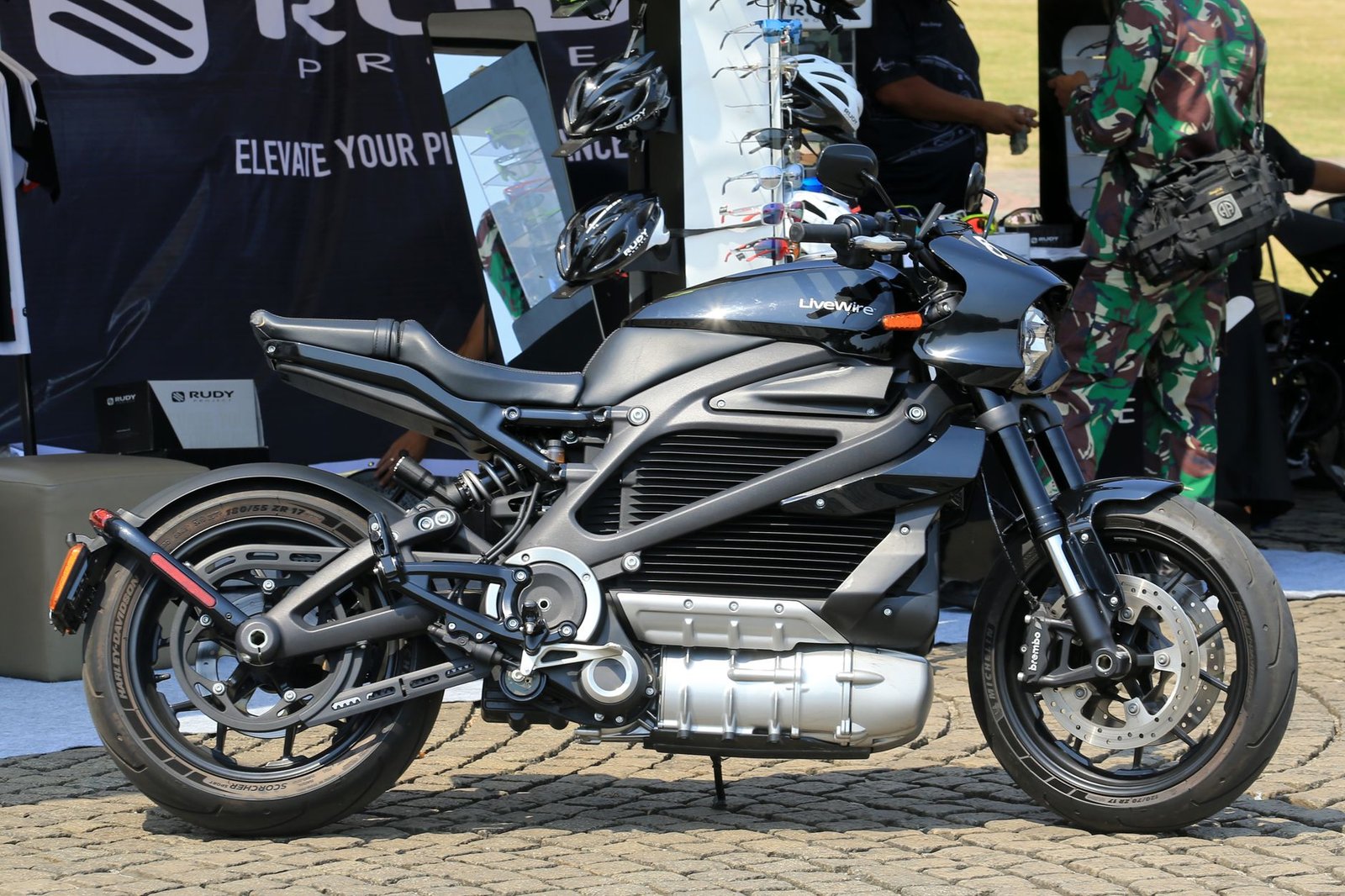
A motorcycle enthusiast walks into a dealership looking at a $20,000 electric sport bike. It accelerates faster than anything they’ve ridden, makes almost no noise, and costs about three cents per mile to operate. They leave with a $12,000 gasoline motorcycle instead. This happens every day, and it reveals why the entire premise of electric motorcycle adoption has been backwards from the start.
The conventional wisdom says electric motorcycles need to match gasoline bikes on range, recharge time, and price. Once they clear those bars, riders will switch. But that framework misunderstands both the economics of motorcycle manufacturing and the actual reasons people buy motorcycles. The transition is happening, just through a completely different mechanism than the one everyone keeps watching for.
The Unit Economics Don’t Work Like Cars
Start with the manufacturing reality. An electric motorcycle costs roughly the same to build as an electric car on a per-kilowatt-hour basis for the battery pack. A Zero SR/F uses a roughly 14.4 kWh pack. At current battery costs around $100 per kWh at the pack level, that’s about $1,440 in battery cells alone. Add the motor, controller, charging system, and frame, and you’re well into the thousands in manufacturing costs for a premium electric motorcycle.
A comparable gasoline sport bike, the 998cc Yamaha YZF-R1, retails for around $18,500. Its engine and transmission cost perhaps $2,000 to manufacture at scale. Yamaha builds hundreds of thousands of motorcycle engines per year across multiple models. Zero Motorcycles builds only a few thousand units annually. The math is brutal: electric motorcycle makers need to charge car-level prices for a product that most buyers see as a discretionary toy.
This creates a margin trap. Car manufacturers can absorb thousands of dollars in per-unit losses during the scaling phase because they’re amortizing billions in development costs across hundreds of thousands of units. Tesla lost money on the Model S for years early on but made it back on volume. A motorcycle company selling a few thousand units can’t play that game. At a $3,000 loss per unit on 3,000 bikes, you’re burning roughly $9 million annually with no clear path to break even.
The problem compounds because motorcycles are overwhelmingly purchased by people who already own cars. In the US, the large majority of motorcycle owners also have at least one car. The motorcycle is transportation 2 or 3 in the garage. That means buyers are extraordinarily price sensitive. They’re not comparing the total cost of ownership to their daily driver. They’re comparing the sticker price to other recreational purchases. A $20,000 electric motorcycle competes with a used Miata, a gaming PC, or a vacation, not with a Honda Civic.
Range Anxiety Isn’t the Real Problem
The industry obsesses over range because that’s the metric that paralyzed early EV cars. But motorcycle usage patterns are completely different. The typical motorcycle trip in the US is well under 50 miles. Even the most range-limited production electric motorcycles, like the LiveWire One with around 146 city miles, cover the overwhelming majority of actual riding patterns.
The real constraint is versatility anxiety. Gasoline motorcycle owners know they can decide on Thursday night to ride 300 miles to a track day on Saturday. They can tour across the state without researching charging infrastructure. That optionality has value even if they only use it twice a year. An electric motorcycle with 100 miles of real-world range and one-hour charging isn’t a replacement for that flexibility. It’s a different product category.
This matters because the motorcycle market segments cleanly into commuters, weekend riders, and touring enthusiasts. Electric motorcycles can serve the first two groups adequately right now. But those are the smallest spending segments. The riders dropping $25,000 on a BMW R 1250 GS for cross-country touring are the high-margin customers, and electric technology can’t serve them yet. Building a 200-mile range motorcycle with 30-minute charging requires a 30+ kWh battery pack, which adds thousands in cost and significant weight. The economics get worse, not better.
Where Electric Actually Wins
The transition is happening in markets where the traditional motorcycle economics never applied. Look at India, where roughly 20 million motorcycles and scooters sold in 2023. The median price is around $1,500. These are utilitarian vehicles, not recreational purchases. Buyers optimize for operating cost, not performance or touring range.
Electric two-wheelers are capturing this market at remarkable speed. Ola Electric sold roughly 330,000 electric scooters in India in 2023, up sharply from the prior year. Ather Energy sold tens of thousands of units. These aren’t performance machines. They’re $1,200 to $1,800 scooters with roughly 50-mile range and, in some cases, swappable batteries. The business model works because customers save several hundred dollars per year on fuel in a market where that represents meaningful household spending.
The same pattern appears in delivery fleets. A Domino’s delivery rider in Manila covers 40 miles per shift in stop-and-go traffic. An electric scooter costs roughly $0.50 per day to charge versus around $4.00 for gasoline. Over 300 working days, that’s about $1,050 in annual savings. The scooter can pay for itself in a couple of years purely on operating cost. Performance, range, and charging infrastructure become secondary when the unit economics are this compelling.
The Pricing Mirage
Western manufacturers keep announcing bikes at aspirational price points that don’t reflect their actual cost structure. Harley-Davidson’s LiveWire One launched at $22,000, later dropped to around $17,000, and Harley still exited direct ownership by spinning LiveWire off into a separate public company. That wasn’t a pricing strategy, it was a recognition that no price point makes the math work at low volumes.
The exception proves the rule. The Zero FX-family lightweight electric dirt bikes, starting around $11,000, actually sell to their target market. Why? Because comparable gas-powered dirt bikes in that performance range cost $9,000 to $10,000. The premium is modest, not the 40-60% gap seen on street bikes. Buyers can justify that for instant torque, low maintenance, and silent operation that opens access to noise-restricted riding areas. The value proposition closes.
This reveals the viable path forward. Electric motorcycles will win in segments where they offer something gasoline bikes cannot provide, and where the price premium is small enough that the unique benefits justify the cost. Urban commuters who can charge at home and value silence. Off-road riders who need access to restricted areas. Delivery fleets optimizing total cost of ownership. Not premium sport bike buyers who want a faster Ducati.
What the Volume Numbers Actually Show
Global electric two-wheeler sales reached roughly 17 million units in 2023. That sounds impressive until you realize the vast majority were in Asia, predominantly electric scooters and mopeds in China, India, and Southeast Asia. Western-style electric motorcycles, the kind featured in motorcycle magazine reviews, sold on the order of 35,000 units globally.
That 35,000 is a rounding error against the roughly 60 million total two-wheelers sold worldwide. In the US specifically, electric motorcycle sales were on the order of 10,000 units against a total motorcycle market of roughly 470,000 units. That’s a low single-digit penetration rate in the world’s wealthiest major motorcycle market, even after years of electric motorcycle availability.
Compare that to electric cars, which hit roughly 8% of US light vehicle sales in 2023 over a similar timeframe. The difference isn’t technology maturity. It’s market structure. Car buyers increasingly need EVs to meet emissions requirements and want them for lower operating costs on their primary transportation. Motorcycle buyers face little regulatory pressure and don’t optimize for cost on a recreational vehicle.
The Adoption Curve Nobody Mentions
Electric motorcycles will replace gasoline motorcycles the same way digital cameras replaced film: by serving different use cases first, then gradually expanding as technology improves and generational preferences shift. Digital cameras didn’t win by making better 35mm SLR replacements. They won by enabling casual photography that film couldn’t match, then eventually got good enough for professionals.
The electric motorcycle market will grow through new riders who never owned gas bikes, not through converting existing enthusiasts. A 25-year-old buying their first motorcycle today doesn’t have nostalgia for engine sound or muscle memory for clutch feel. They have experience with electric cars, smartphones, and instant torque. An electric motorcycle feels normal to them in a way it never will to someone who learned to ride on a 1984 Kawasaki.
This generational transition takes decades, not years. The median age of a US motorcycle buyer is in the late 40s. Those buyers won’t switch en masse. But as the riding population gradually ages out and is replaced by younger riders with different preferences, the market composition shifts. By 2040, electric motorcycles could plausibly represent a quarter or more of sales, not because the technology got radically better, but because the buyer population changed.
Watch the entry-level segment. First-time motorcycle buyers are the leading indicator. If electric models start capturing 15-20% of sub-$10,000 motorcycle sales, that signals real momentum. Until then, electric motorcycles remain a premium product serving niche use cases, not a mass-market replacement for gasoline bikes.