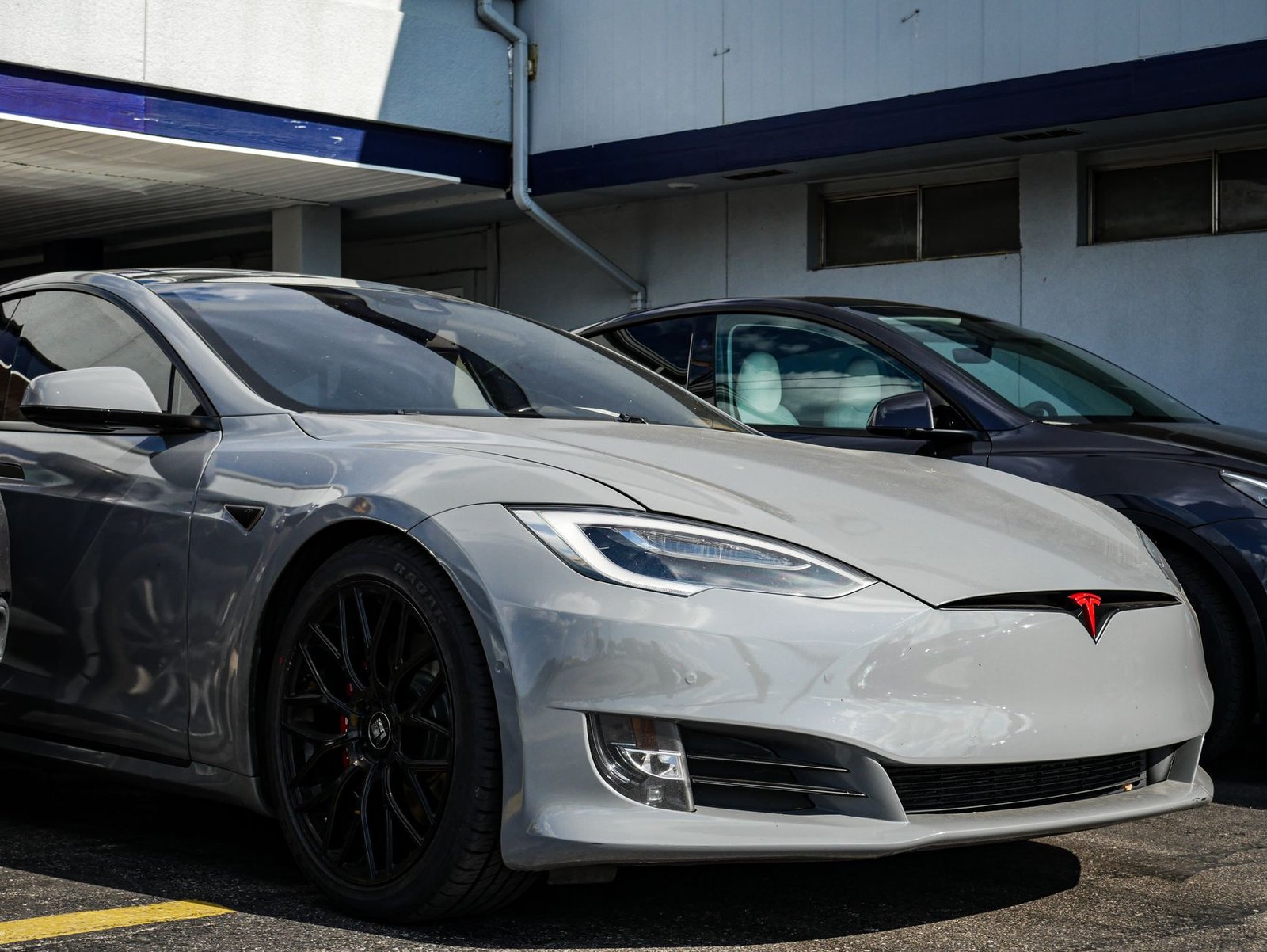
A 2015 Tesla Model S P85D with 160,000 miles on the odometer still delivers 691 horsepower and a real-world highway range of 186 miles. The same car that cost over $130,000 when new in Germany now sells for around $21,000 in the used market. Early Model S sedans that once commanded six-figure price tags now trade for less than a new Honda Civic, with some examples available for under $15,000. These numbers reveal something unexpected: the first generation of premium electric vehicles has depreciated dramatically in price while maintaining most of its fundamental capability. The battery packs, which skeptics predicted would be expensive liabilities by this age, have proven more durable than expected.
This creates an unusual situation in the automotive market. A used Tesla Model S represents either an extraordinary bargain or a risky gamble, depending on which aspects of vehicle ownership you prioritize.
How Lithium-Ion Battery Degradation Actually Works
Battery capacity loss in electric vehicles follows predictable physics, but the rate varies based on usage patterns. Every lithium-ion cell experiences gradual degradation through two mechanisms: calendar aging (simply existing in time) and cycle aging (charging and discharging). The electrolyte breaks down, lithium gets trapped in solid deposits, and the electrodes develop microscopic cracks. None of this is sudden. A battery doesn’t hit 80% capacity and then cliff-dive to failure.
High-mileage Model S vehicles that are roughly ten years old with high mileage typically retain around 85% to 90% of their original battery capacity. The tested 2015 P85D with nearly 160,000 miles showed 86% capacity according to Tessie app diagnostics. That translates to about 218 miles of rated range from the original 253-mile EPA rating, though real-world highway driving yields closer to 186 miles. Manufacturer range figures were always optimistic for sustained highway speeds.
What matters more than the percentage is the absolute usable range. A vehicle that started with 253 miles and lost 14% still offers over 200 miles of rated range between charges. For most daily driving patterns, this remains functional. The degradation curve also flattens over time. Most capacity loss happens in the first few years, then the decline rate decreases. A battery at 86% after ten years will likely stay above 80% for several more years.
Tesla’s early battery thermal management system deserves credit here. The liquid-cooled battery pack maintains more consistent temperatures than air-cooled systems, reducing stress on the cells. The battery management software also limits charging to levels that extend pack life, even if that means the displayed range never quite matches the theoretical maximum.
The Depreciation Curve Nobody Predicted
The original Model S launched in 2012 with prices ranging from roughly $70,000 to over $100,000. Performance variants like the P85D cost even more. According to Kelley Blue Book, 2015 Model S dealer values now sit between $11,500 and $16,850, with private seller values starting just over $10,000. Early P85D and P90D models trade for under $20,000. One European seller listed a Model S with claimed 88% battery health for €14,000, roughly $16,000.
This represents depreciation of roughly 80% to 90% over about nine years. Compare that to a 2015 Mercedes S-Class, which retains about 30% of its original value, or a 2015 BMW 7-Series at roughly 25%. The Tesla’s depreciation curve looks more like a consumer electronics product than a luxury automobile.
Several factors drive this. The used car market applies a harsh discount to older electric vehicles because buyers fear expensive battery replacement. That fear persists even though the data shows batteries holding up better than predicted. Technology advancement also accelerates EV depreciation. Newer Model S variants are meaningfully more efficient than early models based on official MPGe ratings, offer more range, and include features the 2015 version lacks entirely. Software updates help, but they can’t change the fundamental hardware efficiency.
The used Tesla Model S also suffers from aesthetic aging. The original interior design, impressive in 2015, now looks dated next to current luxury vehicle cabins. The 17-inch touchscreen remains functional but runs older software on slower processors. Newer vehicles simply feel more responsive.
Insurance and repair costs create additional pressure. Collision repair on a Model S requires specialized equipment and Tesla-approved shops. Parts availability for older models can be unpredictable. Some insurance companies charge higher premiums for older EVs, factoring in repair complexity even when battery health remains good.
Free Supercharging Changes the Economics
Tesla offered free lifetime Supercharging on many Model S vehicles built from the start of production in 2012 through late 2016. On these early cars, the free-charging benefit generally transfers with the vehicle rather than being tied to the original owner. This means a used Tesla Model S purchased today might include unlimited free DC fast charging at Tesla Supercharger sites for the life of the vehicle. Because the terms varied over the years, verify the specific car’s charging status before buying.
The economic impact is substantial. The current owner of the tested 2015 P85D regularly drives a 250-mile cross-country route and reports saving thousands in fuel costs through free Supercharging. At typical Supercharger rates of $0.40 to $0.50 per kWh, a 75-kWh charge costs $30 to $37.50. Someone driving 15,000 miles annually in a Model S averaging 3.5 miles per kWh would need about 4,300 kWh, worth roughly $1,700 to $2,150 per year at those rates. Over five years of ownership, that’s roughly $8,500 to $10,750 in avoided charging costs.
Tesla’s fair-use policy restricts commercial uses like taxi or rideshare service unless the driver pays for charging. For private owners, the benefit remains unrestricted. Free Supercharging status appears in the vehicle’s specs within the Tesla app, making verification straightforward before purchase.
This fundamentally changes the value proposition. A used Tesla Model S at $15,000 with free lifetime Supercharging might cost less over five years than a $25,000 gas sedan when you factor in fuel savings. The calculation assumes you live somewhere with reasonable Supercharger coverage and don’t mind planning stops around charging infrastructure.
What the Market Gets Wrong About Battery Risk
The used car market prices older electric vehicles as if battery failure is imminent and replacement is inevitable. This assumption doesn’t match the actual degradation data. Battery capacity declines gradually, not catastrophically. A pack at 85% capacity remains usable for years. Complete battery failure, requiring full replacement, is uncommon in Model S vehicles that haven’t experienced physical damage or manufacturing defects.
When battery replacement does become necessary, the cost calculation has changed since these vehicles were new. Third-party battery refurbishment services have emerged, offering pack rebuilds for less than Tesla’s replacement price. Some owners choose to replace only degraded modules rather than the entire pack. The market hasn’t fully incorporated these options into used EV pricing.
The other misconception involves charging infrastructure. In 2015, Supercharger coverage was limited and charging at home required professional installation. Today, Tesla’s Supercharger network is extensive, and Level 2 home charging equipment is standardized and affordable. The practical usability of a 2015 Model S has improved since it was new, even as the vehicle itself has aged.
Buyers also overweight the risk of expensive repairs while underweighting the maintenance cost savings. A used Tesla Model S needs no oil changes, transmission service, or exhaust system repairs. Brake wear is minimal due to regenerative braking. The primary wear items are tires, cabin air filters, and eventually suspension components, the same as any vehicle.
Indicators Worth Monitoring
Before buying a used Tesla Model S, several specific checks matter more than generic used car advice. Battery capacity is the obvious one. Apps like Tessie or TeslaFi can pull detailed battery health data, though some older vehicles can’t perform the built-in overnight battery health test. Requesting multiple range estimates at full charge over several days gives a practical capacity picture. Anything above 80% capacity represents minimal degradation for a vehicle this age.
Supercharger history tells you how the battery was treated. Frequent DC fast charging can accelerate degradation compared to slower home charging. The vehicle’s charging history shows the ratio of Supercharging to home charging. A car that relied primarily on Supercharging may show more degradation than one charged mostly at home overnight.
Service history matters more for electric vehicles than people expect. Tesla issues regular software updates that can affect battery management, but only if the vehicle maintains connectivity. Check that the car is running current software and that over-the-air updates are functioning. A Model S stuck on ancient firmware might have battery management inefficiencies that software updates would have addressed.
Physical battery damage is rare but catastrophic. Check for any history of collision damage to the undercarriage. Even minor impacts can compromise cell casings or cooling lines. Tesla’s service records should document any battery-related repairs or recalls. Walk away from any vehicle with undisclosed battery damage.
The final consideration is less technical: parts availability. As Model S production has evolved, some components from early builds are no longer manufactured. Tesla sometimes offers upgraded replacement parts, but this can extend repair timelines. Research common failure points for the specific model year and verify that parts remain available before committing to purchase.