A fleet manager in Denver sits at her desk with two configurator tabs open. The Hyundai IONIQ 5 Long Range RWD at $42,500. The Tesla Model Y Long Range RWD at $44,990. On paper, both hit 300+ miles of range, both charge fast, both seat five. She needs 12 vehicles. That $2,490 difference per vehicle compounds to $29,880 across the fleet. Her maintenance supervisor swears by Tesla’s service network. Her CFO wants to know about resale values in three years.
Thousands of buyers face this decision right now. The IONIQ 5 undercuts Tesla on sticker price while matching most capabilities. Tesla charges a premium for its software ecosystem and Supercharger network. What looks like a simple price comparison is a bet on which infrastructure advantage matters more over five years of ownership.
The Numbers Everyone Starts With
The configurators tell part of the story. The 2025 IONIQ 5 Long Range RWD delivers 303 miles of EPA range for $42,500. The comparable Tesla Model Y Long Range RWD hits 320 miles for $44,990. Charging speeds look similar: the IONIQ 5 can add 10-80% in 18 minutes on a 350 kW charger, the Model Y in 27 minutes on a 250 kW Supercharger.
Both qualify for federal tax credits under current rules. Both offer similar cargo volume, over-the-air updates, and advanced driver assistance systems. The IONIQ 5 includes Vehicle-to-Load capability standard, letting you power tools or appliances from the battery. The Model Y counters with access to 50,000+ Supercharger stalls globally.
Depreciation curves favor Tesla historically. Three-year-old Model Ys retain 65-70% of original value in wholesale markets. Three-year-old IONIQ 5s are still too new for robust resale data, but comparable Hyundai EVs like the Kona Electric show 55-60% retention.
What Happens When You Actually Drive Them
The configurator range numbers assume 70°F and mixed driving. Real highway range at 75 mph in January cold reveals the gap. The IONIQ 5’s heat pump and efficient thermal management deliver approximately 240 miles in 30°F conditions. The Model Y drops to roughly 230 miles under identical conditions, though Tesla has improved cold-weather performance through recent software updates.
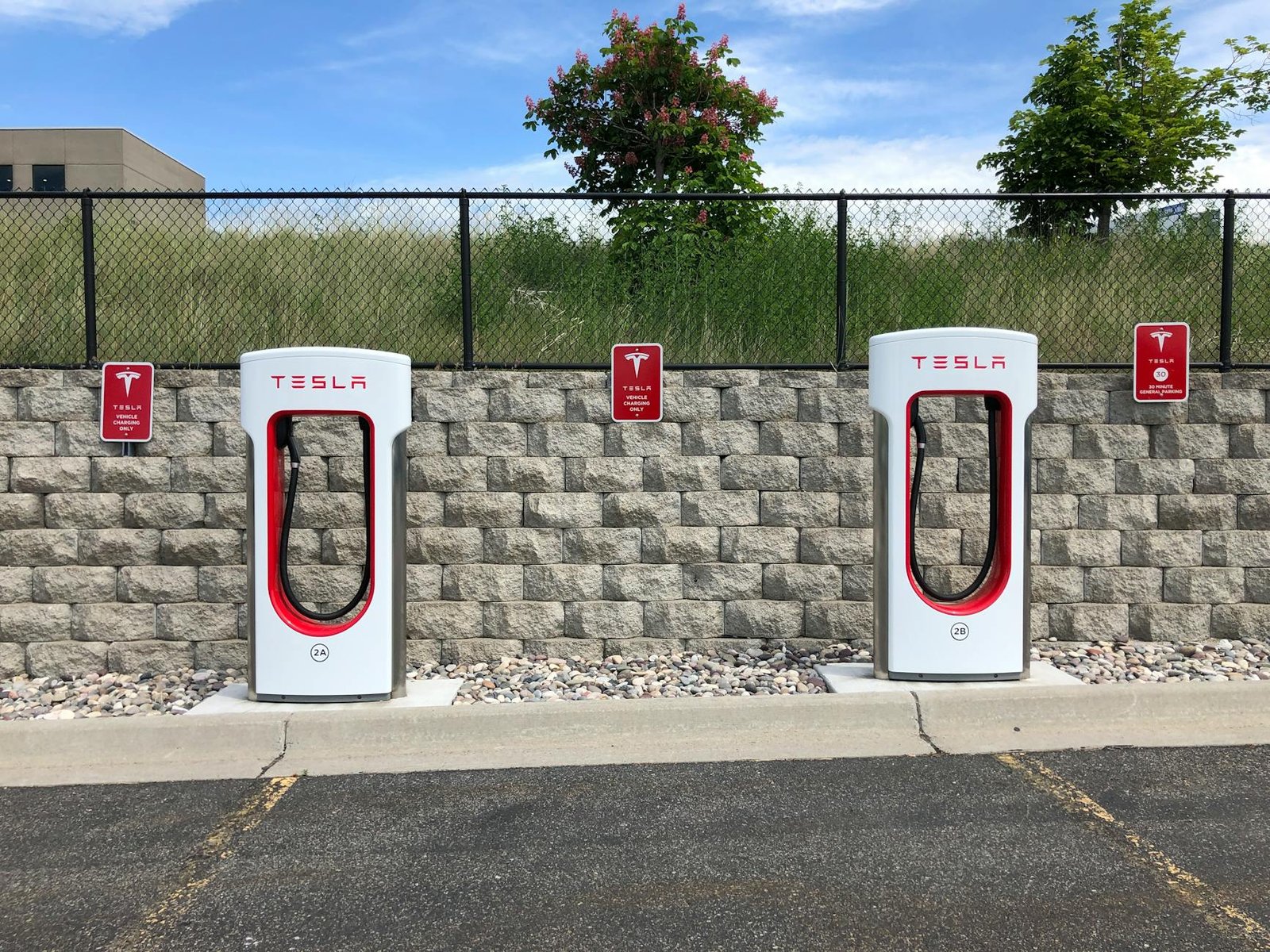
Charging infrastructure determines whether that efficiency advantage matters. The IONIQ 5 relies on Electrify America, EVgo, and other CCS networks. Network uptime varies dramatically by region. A November 2024 study of DC fast chargers in California found Electrify America stations functional 72% of the time versus 96% for Tesla Superchargers. That reliability gap widens in rural corridors. Interstate 70 through Kansas has consistent Supercharger coverage every 80-100 miles, but CCS coverage requires planning around specific stations, some with just two stalls.
The IONIQ 5’s 800-volt architecture charges faster when you find a working 350 kW charger. Tesla’s 400-volt system on the Model Y tops out lower but finds functional chargers more consistently. A Denver to Chicago road trip crystallizes the tradeoff. The IONIQ 5 might complete three 18-minute stops in ideal conditions. The Model Y requires four 25-minute stops but encounters fewer broken chargers.
Software updates change the ownership equation differently for each vehicle. Tesla pushes updates every 4-6 weeks, sometimes adding meaningful features like improved regenerative braking calibration or route planning. Hyundai updates the IONIQ 5 every 3-4 months with more conservative changes focused on bug fixes. Neither approach is inherently superior, but they reflect different engineering philosophies. Tesla treats software as a continuous product. Hyundai treats it as a support function for hardware.
The Cost No One Includes Until Year Three
Service infrastructure determines real operating costs beyond the monthly payment. Tesla operates 200+ service centers in North America plus mobile service vans that handle routine work at your location. Simple issues like a malfunctioning door handle get resolved without a service appointment. More complex issues require booking weeks in advance at the nearest service center, sometimes 100+ miles away in rural states.
Hyundai routes IONIQ 5 service through its 820+ dealership network. This creates both availability and variability. A software update takes 30 minutes at a dealer familiar with EVs or three days at a dealer that still prioritizes combustion vehicle service bays. A Phoenix owner might have an excellent Hyundai dealer 10 minutes away. A Montana owner faces a 90-mile drive to the nearest dealer with any EV training.
Warranty coverage differs in practical terms. Both offer 10-year/100,000-mile battery warranties. Hyundai includes 5-year/60,000-mile bumper-to-bumper coverage versus Tesla’s 4-year/50,000-mile basic warranty. That extra year matters if you keep vehicles long-term, but only if the local dealer can actually execute repairs competently.
Insurance costs tilt toward the IONIQ 5 by roughly $400 annually. Repair costs for the Model Y run 15-20% higher according to CCC Intelligent Solutions data, driven by parts availability and Tesla’s requirements for calibration at certified shops. A minor fender bender that costs $2,800 to fix on an IONIQ 5 runs $3,400 on a Model Y.
Who Should Actually Buy Which One
The Model Y makes sense for buyers who value network reliability over efficiency. If you road trip frequently through rural corridors, the Supercharger advantage overwhelms the price premium. Weak third-party charging infrastructure in your area? Paying $2,490 extra buys peace of mind. Keeping the vehicle for 3-4 years with resale value in mind? Tesla’s proven depreciation curve justifies the upfront cost.
The IONIQ 5 works for buyers with home charging who rarely road trip beyond major metro corridors. The price advantage funds installation of a Level 2 home charger with money left over. Cold climates with reliable local CCS networks maximize the efficiency advantage. The Vehicle-to-Load capability matters if you actually use it for camping, tailgating, or emergency backup power. Planning to keep the vehicle for 7-10 years? The longer warranty coverage and lower insurance costs accumulate meaningful savings.
Fleet buyers face different math. The upfront savings on 10+ vehicles fund charging infrastructure installation, but fleet operation depends on predictable service, which favors Tesla in markets without strong Hyundai dealer support. A fleet with a dedicated maintenance facility might absorb IONIQ 5 service in-house. A fleet relying on external service needs Tesla’s mobile service capability.
The Variable That Decides It
This comparison ultimately hinges on charging infrastructure in your specific operating region. The price difference is real but fixed. The efficiency advantage is real but variable. Can you reliably access functional DC fast charging when you need it? That question decides everything.
In California, Colorado, or the Northeast corridor, CCS networks have reached critical density. The IONIQ 5 saves money without meaningful compromise. In the Mountain West, rural South, or areas with sparse third-party networks, the Tesla Supercharger network justifies its premium. The gap will narrow as CCS infrastructure improves, but buyers need to make decisions based on current conditions.
Neither vehicle is a bad choice. Both represent competent engineering at competitive prices. The IONIQ 5 delivers better value if your use case fits its infrastructure constraints. The Model Y costs more because it removes those constraints.
Make the Choice That Fits Your Actual Driving
Buy the IONIQ 5 if you charge at home 90%+ of the time, operate primarily in metro areas with good CCS coverage, and plan to keep the vehicle long enough for the warranty and efficiency advantages to accumulate. The $2,490 price advantage funds home charging installation or offsets insurance and maintenance costs over five years.
Buy the Model Y if you road trip regularly, live in an area with sparse CCS infrastructure, or value maximum resale flexibility. The Supercharger network and proven depreciation curve justify the premium if you actually use those advantages. The cold-weather efficiency gap matters less if you can reliably find working chargers.
For the Denver fleet manager, the answer depends on vehicle duty cycle. If the fleet operates within metro Denver with nightly depot charging, the IONIQ 5 saves $29,880 upfront and delivers lower operating costs. Vehicles regularly running routes through Wyoming or rural Colorado? The Model Y’s charging reliability prevents operational disruptions worth more than the price difference.