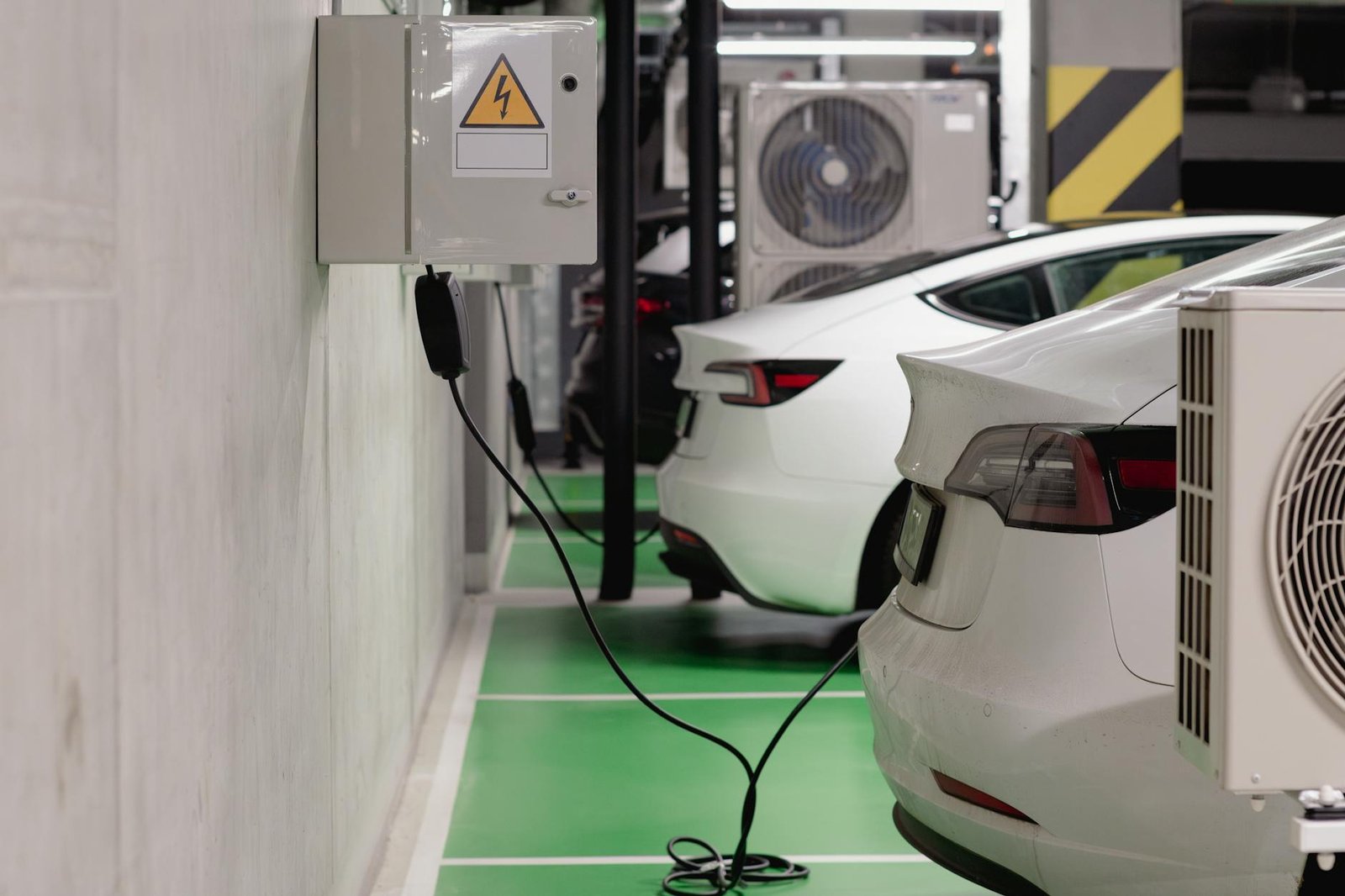
A utility engineer stands in front of a city council meeting and explains that the local grid cannot handle more EV chargers. The math is simple: each DC fast charger pulls 350 kW, equivalent to 30 homes at peak demand. Add a few charging stations to a neighborhood built in the 1970s, and the transformer starts cooking. The council nods. The developer’s permit gets delayed. Everyone agrees that EV charging grid stress is now a bottleneck, and someone needs to throw money at grid upgrades before EVs can scale.
This narrative has become the default explanation for why EV infrastructure rollout lags. Startups raise venture rounds to solve it. Utilities point to it when explaining rate hikes. Policymakers cite it as justification for federal grid modernization funds. The framing is tidy: EVs are coming faster than the grid can adapt, so we need software and capital to manage the crunch.
The Grid Panic Started With a Real Constraint
The concern is not invented. Local distribution transformers were designed for residential loads that peak in predictable patterns. A neighborhood of 200 homes might share a transformer rated for 500 kW, because not every house runs the dryer and air conditioner simultaneously. That diversity factor is baked into decades of utility planning.
When a bank of DC fast chargers shows up at a gas station site, the old assumptions break. Four 350 kW dispensers can theoretically pull 1.4 MW if all bays fill at once. That is more than the entire neighborhood’s peak load. If the transformer was already running near capacity on a hot August afternoon, adding that demand means either upgrading the transformer or telling the charger operator to wait.
This happened in California. PG&E reported in 2022 that some commercial charging sites requested interconnections exceeding local transformer capacity. The utility had to replace equipment or run new lines, adding months to project timelines. The issue was real, localized, and solvable with standard utility engineering. But the story that spread was broader: the grid itself cannot handle EVs.
What the Actual Load Data Shows
The panic assumes that EV charging demand arrives as a sudden, unmanageable spike. The data shows something more boring. Residential EV charging happens overnight, when the grid has excess capacity. The California Independent System Operator (CAISO) published load curves in 2023 showing that the grid’s lowest demand period, from midnight to 5 a.m., coincides exactly with when most EV owners plug in at home. The cars charge when wind generation is ramping and solar has not started. This is the best time to add load.
Even during the day, public charging does not behave like the theoretical maximum. A 2023 study by the National Renewable Energy Laboratory tracked utilization at 2,000 DC fast chargers. Average utilization was 12 percent. Peak utilization hit 40 percent at the busiest sites. The chargers almost never run at full capacity on all bays simultaneously, because cars do not arrive in perfect synchronization and most drivers top up rather than charge from empty.
The grid sees the aggregate, not the peak rated power. A charging station with four 350 kW dispensers might have a peak observed load of 600 kW, not 1.4 MW. Utilities can plan for that. They already do this when sizing transformers for commercial buildings with high nameplate loads but low duty cycles.
The problem is not that EV charging grid stress is a fiction. The problem is that it gets framed as a systemic crisis requiring new technology, when most cases are routine interconnection issues that utilities solve daily for other commercial loads.
The Grain of Truth Hiding in the Narrative
Some grids genuinely have tight margins. Older urban neighborhoods with underground distribution systems face real constraints. Upgrading a transformer is straightforward. Replacing an underground conduit running beneath two miles of city streets is not. In those cases, adding 1 MW of new load, whether from chargers or a data center, forces expensive infrastructure work.
Fast charger clusters at highway rest stops also create legitimate spikes. A rest stop with ten 350 kW chargers can see rush periods where six or seven bays are active. If the site is rural and the nearest substation is miles away, the utility must run new lines. That costs money and time.
The issue is real in specific locations. It does not mean the grid as a whole is collapsing under EV load. The distinction matters because it changes the solution. If the problem is localized interconnection bottlenecks, the fix is standard utility capital expenditure, possibly accelerated permitting, and better site planning. If the problem is systemic grid inadequacy, the fix is a decade-long rebuild. One is expensive. The other is a generational project that may not be necessary.
Why the Crisis Framing Persists
Utilities have an incentive to emphasize grid stress. Rate base expansion depends on justifying new capital investment. If EV charging requires transformer upgrades, line extensions, and substation reinforcements, those assets get added to the rate base. Ratepayers fund it, and the utility earns a regulated return. The worse the problem sounds, the easier it is to approve the spending.
Startups raising venture capital need a crisis to solve. A $12.5 million funding round for grid management software makes sense if the grid is on the verge of failure. If the problem is just interconnection paperwork and a few transformer swaps, the software is nice to have, not mission critical. The fundraising pitch requires stakes.
Policymakers default to the infrastructure crisis narrative because it justifies federal spending. If EVs stress the grid, then grid modernization funds are EV policy. The political economy aligns everyone around the same story, even when the engineering reality is more mundane.
What Is Actually Happening
EV charging adds load to the grid. In most cases, that load is manageable because it occurs during off-peak hours or at utilization rates far below nameplate capacity. Some locations, particularly older urban grids and rural highway corridors, face real interconnection constraints that require infrastructure investment. Those projects are standard utility work, not evidence of systemic failure.
The grid does not need a fundamental redesign to handle EVs. It needs targeted upgrades in specific locations, better coordination between site developers and utilities, and time-of-use rates that steer charging to off-peak hours. The crisis framing overstates the problem and misdirects capital toward software solutions and grid rebuild projects that may not be necessary.
The accurate version: EV charging grid stress is a localized interconnection challenge, not a system-wide emergency. Utilities already know how to solve it. The question is whether they get to turn routine infrastructure work into a funding windfall by calling it a crisis.