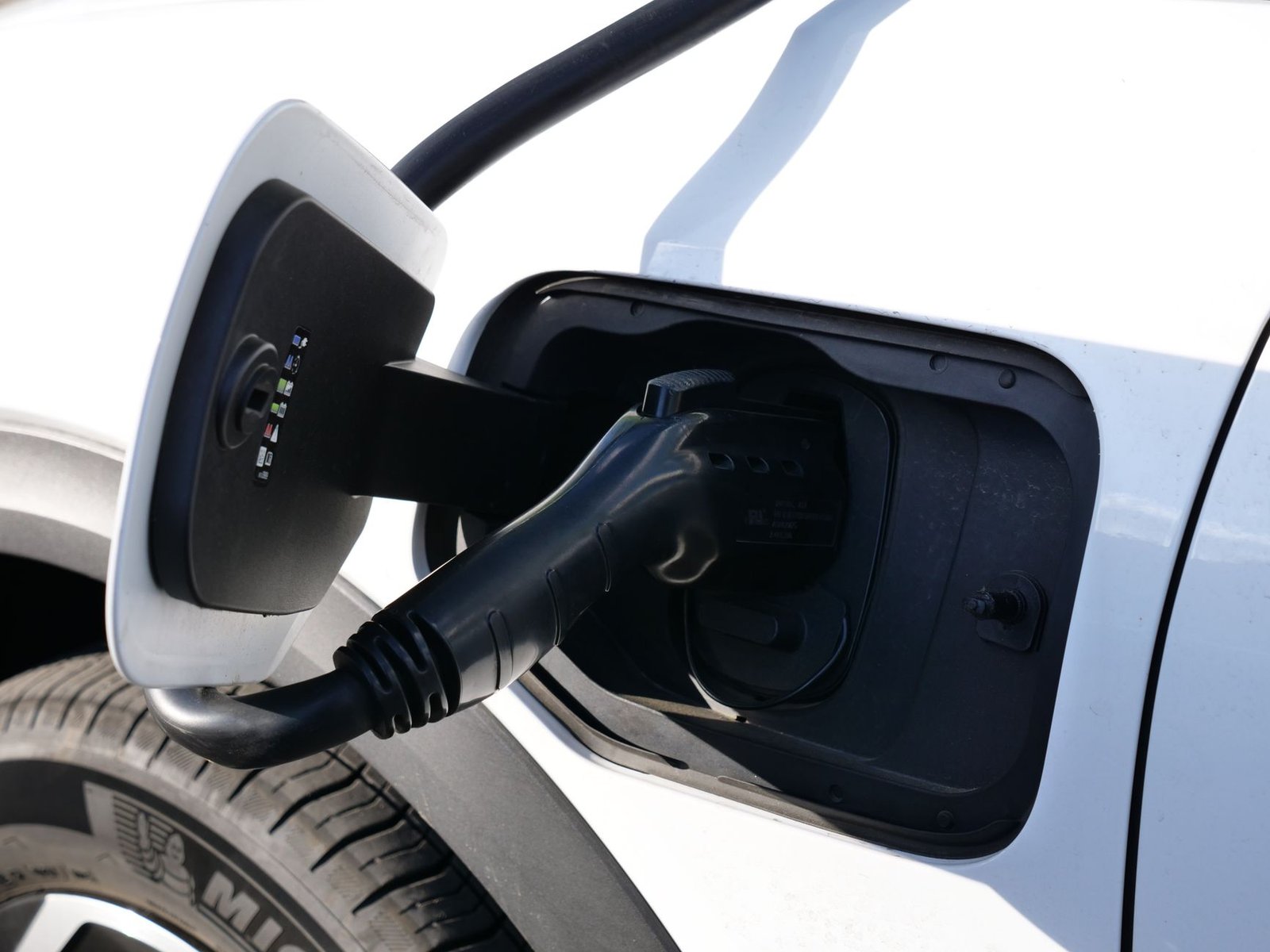
EV Charging Cost: Why $7 Per Month Isn’t What It Sounds Like
A Hyundai Ioniq 5 owner posted their two-month charging bill on Reddit: seven dollars. The post circulated widely, held up as proof that ev charging cost concerns are overblown. Comments piled on with similar numbers. One user reported a $60 monthly increase for two EVs without solar, still cheaper than gas. Another said they’d spent $13 to charge to 80% in under 30 minutes. The implication was clear: electric fuel is essentially free if you live right.
The Setup That Makes Seven Dollars Possible
The Redditor who reported the $7 figure disclosed key context in replies. They had recently moved from a rural area to a walkable city. Their Ioniq 5 arrived in August. They didn’t plug it in for the first time until two months later. That means minimal driving. According to AAA national survey data, the average US driver covers roughly 29 miles per day. This user was driving substantially less than average, in a city where walking replaced most trips.
The seven-dollar charge also reflects residential electricity rates in a specific region, billed at a specific time. Rates vary dramatically. A kilowatt-hour costs roughly 11 cents in Louisiana and over 40 cents in Hawaii. Time-of-use plans can cut nighttime rates by half or substantially raise midday costs. The user charged once in two months. If you drive 12,000 miles annually at 3 miles per kilowatt-hour, you need 4,000 kilowatt-hours. At the national average of about 16 cents per kilowatt-hour, that’s $640 per year, or roughly $53 per month. Not seven.
What the Real Numbers Look Like
Start with the Ioniq 5’s EPA rating: roughly 3 miles per kilowatt-hour in combined driving. That’s generous compared to larger or less efficient EVs. The Ford F-150 Lightning gets closer to 2 miles per kilowatt-hour. The Hummer EV is worse. Take the 12,000-mile annual average. An Ioniq 5 needs 4,000 kilowatt-hours. A Lightning needs 6,000. At 16 cents per kilowatt-hour, the Ioniq 5 costs $640 annually to fuel. The Lightning costs $960. Those are representative figures for home charging on standard residential rates.
Public fast charging changes the math. DC fast chargers often bill between 40 and 60 cents per kilowatt-hour, sometimes higher at peak demand. Charge that Ioniq 5 entirely on the road and your 4,000 kilowatt-hours cost $1,600 to $2,400 annually, or $133 to $200 monthly. That approaches gasoline parity for a 30-mpg sedan at $4 per gallon. The ev charging cost advantage depends almost entirely on access to cheap home electricity.
Time-of-use rates add another layer. Some utilities offer overnight rates as low as 7 cents per kilowatt-hour. Others spike to 50 cents during evening peaks. If you can consistently charge overnight at 7 cents, your 4,000 kilowatt-hours cost $280 annually, or roughly $23 monthly. If your work schedule forces daytime charging, you might pay several times that on the same utility plan. The spread between best-case and worst-case scenarios is wider than most buyers expect.
The Reality Behind the Low Bills
People who report exceptionally low ev charging cost figures share common patterns. They drive less than average. They charge at home on cheap overnight rates. They live in temperate climates where heating and cooling loads don’t spike. They often have solar panels feeding the grid during the day and drawing cheap power at night. These conditions are real, but not universal.
The AAA survey data shows a large share of Americans took at least one road trip the previous summer. Average one-way trip length ran into the low hundreds of miles. That’s one or two fast-charging sessions each direction, minimum. A family road trip in an Ioniq 5 might burn $80 in public charging costs for a 1,000-mile round trip. It’s still cheaper than the roughly $130 in gasoline a comparable 30-mpg sedan would need, but it’s not seven dollars.
Why the Myth Persists
The $7 monthly bill is technically accurate for the user who posted it. That’s the problem. It’s accurate in the same way that reporting zero gasoline purchases is accurate if you don’t drive. The number is true but not representative. Online communities amplify edge cases because they’re surprising. A post titled “I spent $53 charging my EV this month, about what I expected” gets three upvotes. Seven dollars gets 1,200.
EV adoption creates selection bias. Early adopters tend to have garages, home charging equipment, and driving patterns that fit EV limitations. They also tend to be more engaged with optimizing charging schedules. Their reported costs reflect both the technology and their circumstances. When those numbers circulate as typical, they set expectations that many buyers won’t meet.
There’s also motivated reasoning on both sides. EV advocates want to prove the economic case. Skeptics want to prove EVs are a scam. Both groups seize on anecdotes that confirm their priors. The seven-dollar bill becomes evidence of either liberation from oil dependence or the irrelevance of EVs to normal drivers, depending on who’s sharing it.
What You’ll Actually Pay
If you drive 12,000 miles annually in a midsize EV rated at 3 miles per kilowatt-hour, charging entirely at home on standard residential rates, expect $50 to $60 monthly in added electricity costs. That assumes national average rates and no time-of-use optimization. Add $10 to $20 if you live in a high-cost electricity state. Subtract $20 to $30 if you charge overnight on cheap rates. Public fast charging for 20% of your miles pushes the monthly figure meaningfully higher.
Compare that to gasoline. Twelve thousand miles in a 30-mpg sedan at $4 per gallon costs $1,600 annually, or $133 monthly. The EV saves roughly $80 per month in fuel if you charge at home at average rates. That’s real money. It’s also not seven dollars. The savings shrink if you rely heavily on public fast charging, disappear entirely in some high-electricity-cost regions, and reverse if you’re comparing against a 50-mpg hybrid.
The correct framing is not “EVs cost nothing to charge.” It’s “EVs cost substantially less than gasoline if you can charge at home, with actual savings depending heavily on your electricity rate, driving patterns, and vehicle efficiency.” That’s accurate. It’s also too long for a Reddit post title.