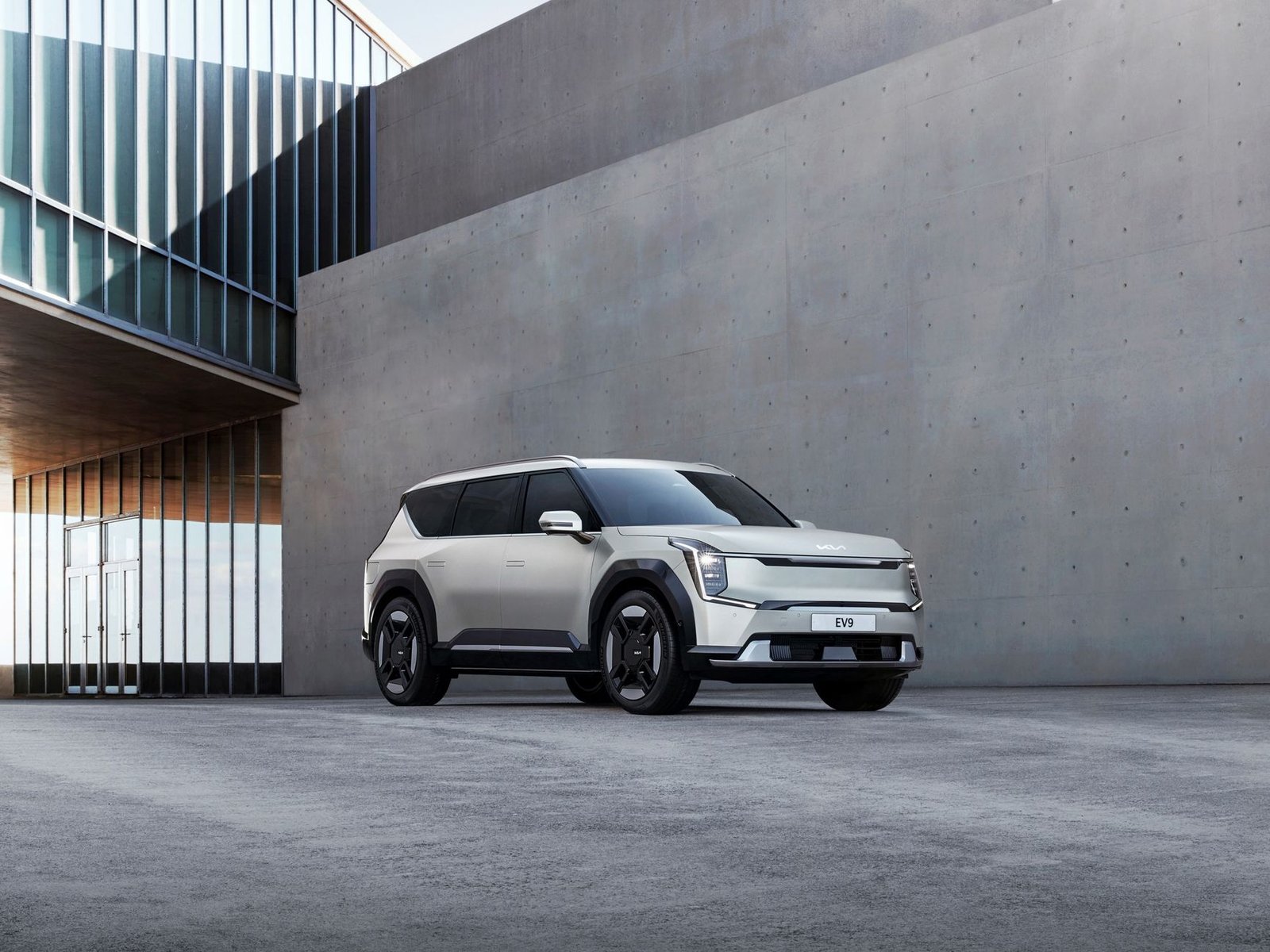
BYD Denza N8 vs. Three-Row Luxury SUVs: The Space Problem
You’re standing in a BMW or Mercedes showroom, looking at their seven-seat electric SUVs. The sales consultant is walking you through cargo capacity, third-row legroom, and the monthly payment. Then you see a headline about the BYD Denza N8: five seats, 623 miles of range, luxury finishes. It sounds perfect until you remember why you came here in the first place. You need three rows. Your family has four kids, or you’re carpooling to soccer practice every Saturday, or your in-laws visit twice a month and you need seats for everyone. Suddenly that extra range doesn’t solve your actual problem.
The BYD Denza N8 optimizes for range and battery efficiency by building a five-seat luxury SUV in a segment where many buyers specifically need seven seats, which makes it a fundamentally different product targeting buyers with different constraints than those shopping three-row competitors.
The Five-Seat Luxury EV Versus the Three-Row Family Hauler
The BYD Denza N8 is a large five-seat electric SUV targeting the premium market with a claimed 623 miles of CLTC-rated range. The CLTC is an optimistic Chinese test cycle; that figure translates to roughly 430 to 470 miles EPA equivalent, still well above most competitors. BYD is packaging this as a luxury product: premium materials, tech-forward interior, the kind of vehicle that competes with the Mercedes EQE SUV or BMW iX on appointments and finish quality.
Compare that to the three-row electric SUVs most buyers in this price range actually cross-shop: the Mercedes EQS SUV (seven seats, roughly 285 to 305 miles EPA), the BMW iX xDrive50 (five seats, no third-row option, around 320 miles EPA), the Tesla Model X (six or seven seats, roughly 335 to 350 miles EPA), and the Rivian R1S (seven seats, 270 to 410 miles EPA depending on battery pack). These vehicles give up 100 to 180 miles of range to accommodate that third row, the structural battery packaging it requires, and the extra weight of two more seats plus passengers.
The Denza N8 offers meaningfully longer range but can’t carry more than five occupants, which eliminates it from consideration for a large subset of luxury SUV buyers before price or features enter the equation.
What the Range Numbers Hide
The 623-mile CLTC figure for the BYD Denza N8 reflects a specific set of engineering choices: a large battery pack installed in a vehicle that doesn’t need to reserve floor space for a third-row seat well, rear HVAC ductwork for back passengers, or the structural reinforcements that come with a longer wheelbase and higher occupant load ratings. BYD can optimize the battery placement, lower the center of gravity, and tune the aerodynamics without compromising rear visibility or step-in height for a third row that doesn’t exist.
That extra range comes with a constraint most buyers don’t see until they’re loading the vehicle for a weekend trip: cargo volume behind the second row. A five-seat SUV in this size class typically offers 35 to 45 cubic feet of cargo space with the second row up. A three-row SUV offers 12 to 20 cubic feet behind the third row, but 40 to 55 cubic feet with the third row folded. The difference matters when you’re deciding whether to take one vehicle or two on vacation.
More critically, the range advantage disappears the moment you need to rent a minivan or take a second car because your five-seat luxury EV can’t fit your actual passenger count. You’re not comparing 623 miles to 305 miles anymore. You’re comparing one vehicle that works for your family to one vehicle plus a rental, a friend’s car, or a decision to leave someone home.
Who the Denza N8 Actually Serves
The BYD Denza N8 is purpose-built for empty nesters, childfree couples, or single buyers who want luxury SUV ride height and interior space without the penalty of a third row they’ll never use. If you’re driving solo or with one passenger 90 percent of the time, hauling cargo or luggage in that rear area the other 10 percent, and you want the confidence of 430-plus miles of real-world range, this vehicle makes perfect sense.
It’s also the right fit for buyers in markets with limited fast-charging infrastructure. If you’re road-tripping through regions where DC fast chargers are 150 miles apart, that extra 100 to 150 miles of buffer means you’re not white-knuckling the drive between charge stops. You can run the heat, drive 75 mph, and still arrive with 20 percent battery instead of 5 percent and a migraine.
The three-row luxury EVs serve buyers with a completely different constraint set: families who need seven seats at least once a month for weekend trips with grandparents, carpooling to school events, or hauling the U12 soccer team to the regional tournament. These buyers will tolerate shorter range because the alternative is owning two vehicles or constantly coordinating rides.
The Constraint That Drives the Decision
The choice between the BYD Denza N8 and a three-row luxury EV comes down to one question: how often do you need more than five seats? If the answer is “never” or “once a year when we can rent something,” the Denza N8 is the better vehicle. You get more range, better efficiency, lower weight, and you’re not paying for seats you fold down to use as cargo space.
If the answer is “twice a month” or “every time my parents visit” or “soccer season,” you can’t buy the Denza N8 no matter how impressive the range looks. It doesn’t solve your problem. You’ll end up renting a vehicle, borrowing a friend’s minivan, or leaving people behind. The luxury finishes and extra range don’t compensate for the constraint mismatch.
This is where most buyers get the decision wrong. They focus on range because it’s a number they can compare across spec sheets. They undercount how often they actually use that third row because those trips are infrequent but non-negotiable. Then they buy the five-seat SUV, love it for six months, and realize they’re renting a minivan every time extended family visits.
The Verdict
If you genuinely don’t need seven seats and you drive long distances regularly, the BYD Denza N8 is the smarter buy. You’re not paying for capacity you won’t use, and the range advantage is real when you’re covering 300-plus miles in a day. If you need three rows even occasionally, buy the Mercedes EQS SUV, Tesla Model X, or Rivian R1S. The range hit is the price of having a vehicle that works every time you need it, not just the weeks when it’s two adults and luggage.
Count how many trips in the last year required more than five seats: if it’s more than four, you need three rows; if it’s zero, you don’t. The BYD Denza N8’s range advantage becomes irrelevant the moment you can’t fit everyone in the car.