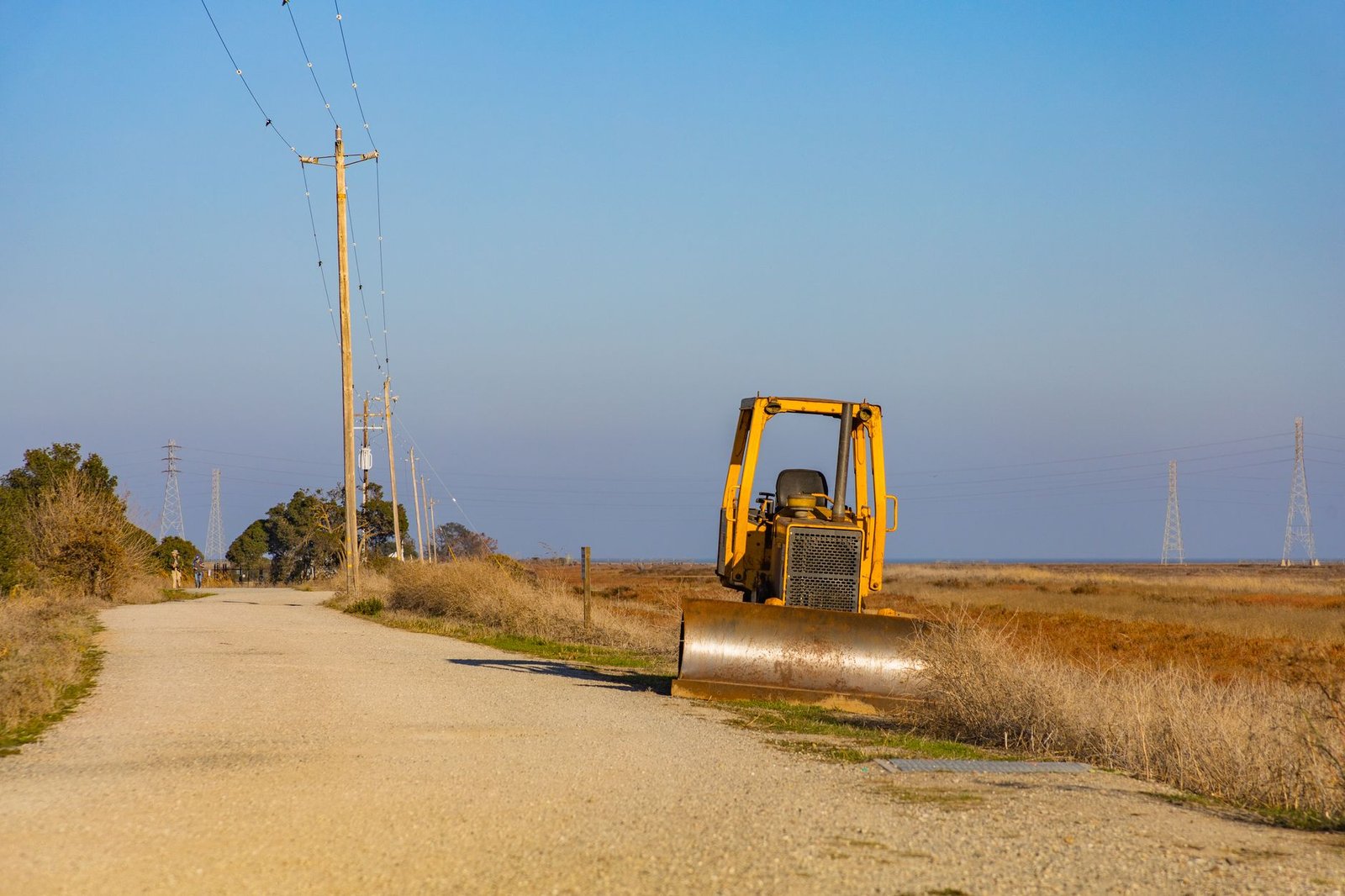
A mine foreman is standing in a Nevada pit at 5 a.m., watching a new Caterpillar D11 XE electric drive dozer push 43.6 cubic meters of overburden per pass. The machine hums instead of roars. His diesel D11 crew laughs at it, calls it the golf cart. Three months later, the numbers come back: the electric drive unit moved 8 percent more material per shift and burned notably less fuel. Nobody’s laughing. The foreman just signed a lease for two more.
This scenario plays out across construction and mining sites where the shift to electric drive isn’t about environmental PR. Margin compression forces buyers to recalculate what actually costs money over a machine’s working life. Caterpillar’s D11 XE uses diesel-electric locomotive technology that dates back roughly a century: a Cat C32B diesel engine spins a generator that powers electric drive motors, replacing the torque converter, gearbox, and clutch packs of a conventional powertrain. The result is infinitely variable speed from zero to 11.2 kilometers per hour and up to 25 percent less fuel per cubic meter moved compared to the latest conventional D11.
The Spec Sheet Suggests a Modest Upgrade
On paper, the D11 XE and a top-spec conventional D11 look similar. Both push roughly 108,000 kilograms of operating weight. Both offer blade capacities from 27.2 cubic meters for a Semi-Universal up to 43.6 cubic meters with a Carrydozer setup. Forward speed tops out at the same 11.2 kilometers per hour. The electric drive variant delivers slightly more available drawbar power and traction control under Tier 4 Final emissions rules, edging the diesel, but not by enough to matter in most applications.
Buyers cross-shopping these machines focus on purchase price, which Caterpillar doesn’t publish but industry sources estimate runs 12 to 18 percent higher for the XE. They compare blade capacity, ripper force, and track shoe options. The electric drive dozer carries a higher upfront cost, conventional wisdom says it needs to justify that premium with fuel savings, and the analysis often stops there.
What Fuel Price Volatility Actually Does to Bid Math
Construction and mining bids operate on margins so thin that a small swing in operating costs can turn a winning proposal into a money-losing contract. Fuel represents 30 to 40 percent of dozer operating expense on a typical earthmoving job. A conventional D11 burns roughly 140 liters per hour under load. At $1.20 per liter, that’s $168 per hour just for diesel. Scale that across a 2,000-hour work year and a single machine consumes $336,000 in fuel.
The D11 XE’s fuel reduction of up to 25 percent drops that to roughly $252,000 annually. The $84,000 difference matters, but contractors miss how fuel price volatility amplifies over multi-year contracts. A 15 percent fuel price spike, common in commodity-linked markets, costs the conventional dozer operator an additional $50,400 per machine per year. The electric drive’s lower consumption cuts that exposure to $37,800. That $12,600 delta is invisible in the initial bid but shows up as unplanned cost overruns 18 months into a three-year mine development contract.
The XE’s architecture also removes the transmission rebuild from the maintenance schedule entirely, because there is no transmission, torque converter, or clutch packs to wear out. Fewer wearing driveline components mean fewer scheduled interventions and less downtime. A conventional D11 engine overhaul costs roughly $180,000 in parts and labor, and every deferred or eliminated major service keeps the machine working revenue-generating hours instead of sitting in a rebuild bay.
Who Each Configuration Actually Serves
The conventional D11 remains the default choice for short-term rental fleets and contractors working isolated sites with limited technical support infrastructure. If a solenoid fails on a traditional hydraulic system, a competent mechanic can diagnose and repair it with standard tools. The electric drive’s inverter modules and motor controllers require CAT-certified technicians and diagnostic software. A remote gold mine in Western Australia or a pipeline job in rural Alberta can’t wait three days for a technician to fly in from the nearest service center.
Large-scale open-pit mines, quarries with multi-year extraction plans, and major infrastructure projects building highways or dams fit the electric drive dozer. These buyers employ maintenance staff, stock spare parts, and plan overhauls in advance. They can absorb the higher purchase price because they operate the machine 4,000 to 6,000 hours per year, compounding the fuel and maintenance savings.
Emissions-regulated markets also favor the XE. Meeting U.S. EPA Tier 4 Final and EU Stage V standards with a conventional powertrain requires selective catalytic reduction, diesel particulate filters, and diesel exhaust fluid systems. These add complexity, failure points, and consumable costs. Note that the XE carries its own Tier 4 Final aftertreatment as well, but running the diesel engine at more consistent rpm and load improves combustion efficiency and reduces stress on the emissions system.
The Decision That Ownership Duration Determines
Planned ownership duration, not daily operating conditions, determines the conventional versus electric drive choice. A contractor leasing equipment for a single 18-month project evaluates monthly lease rates. The electric drive’s higher purchase price translates to higher lease payments. The fuel savings don’t offset the lease premium unless diesel prices spike above historical norms.
An owner-operator planning to run the machine 20,000 hours over seven years performs a different calculation. The cumulative fuel savings approach $600,000. Deferred and eliminated maintenance across that life adds another $150,000 in avoided costs. Against a purchase price premium estimated at $400,000 to $500,000, the electric drive delivers a measurable return.
The Verdict Depends on Operating Hours Per Year
If you run a dozer fewer than 1,500 hours per year, the conventional D11 makes more financial sense. The annual fuel savings don’t justify the higher purchase price, and you defer the mechanical complexity electric drive introduces. If you operate 3,000 hours or more annually at a fixed site with maintenance infrastructure, the D11 XE pays for itself within a few years through lower fuel consumption and reduced downtime.
Buyers trust what they can see and hear. A diesel engine’s rumble signals power. A quiet electric drive feels unfamiliar, even when the numbers prove it moves more dirt per shift. The transition happens when the spreadsheet wins the argument the gut can’t make.