A friend just bought a three-year-old Chevrolet Bolt EV for $14,000. Two months earlier, she’d been looking at the same model year for $18,500. She didn’t negotiate harder or find some incredible deal. The market just moved underneath her. When I asked what changed, the dealership gave her the shrug equivalent of an answer: “Used EV prices are all over the place right now.”
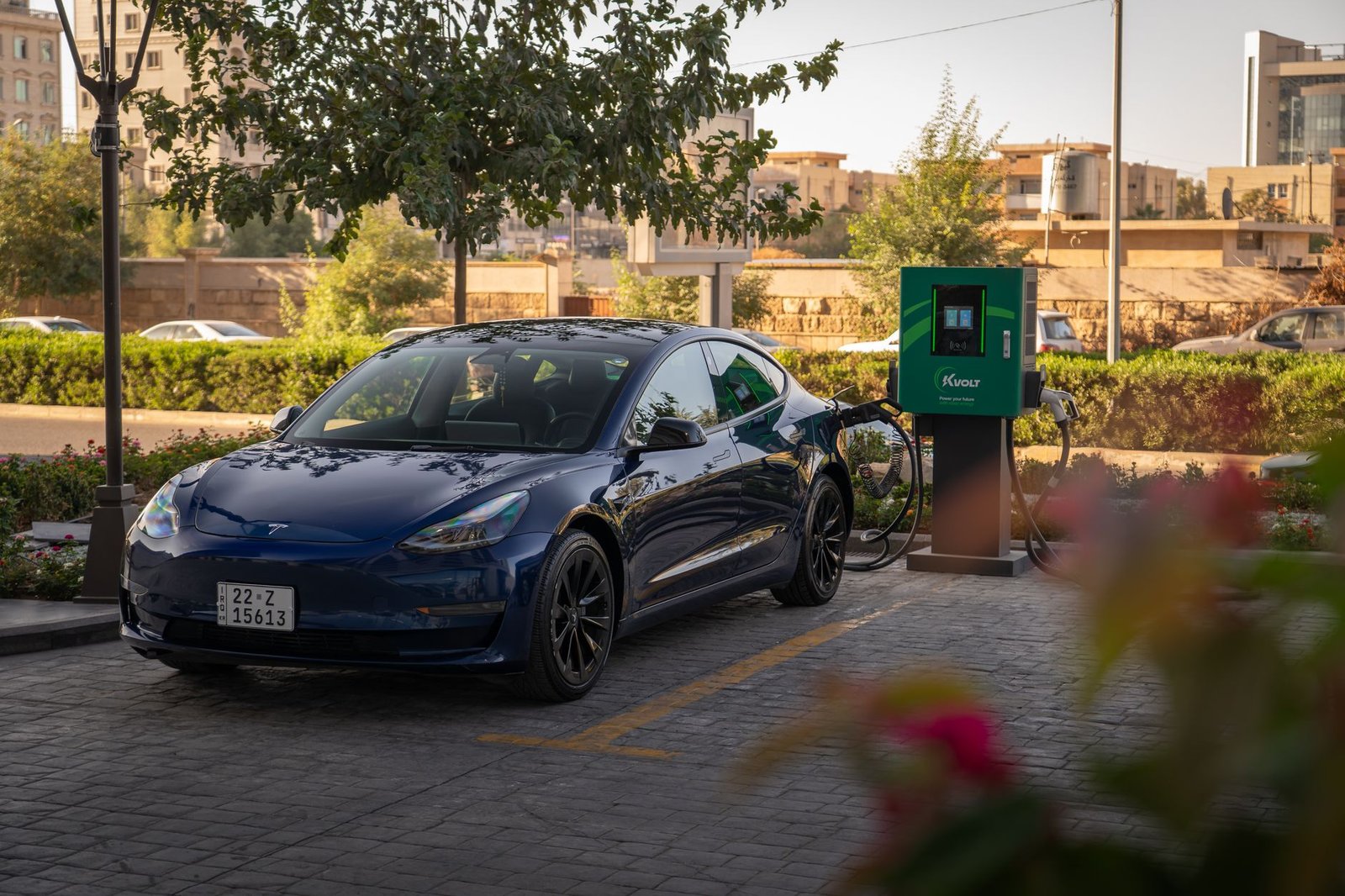
This isn’t normal used car volatility. A three-year-old Honda Accord depreciates on a curve you can predict within a few percentage points. You know what it’ll be worth in a year, and so does the bank writing your loan. Used electric vehicles follow no such script. A Model 3 that sold for $32,000 in March might be $28,000 in June, not because anything broke, but because the new car it’s competing against dropped its price, or because Tesla announced a refresh, or because interest rates moved, or because all of those things happened at once.
Predictable Depreciation No Longer Applies
The used car market runs on predictable depreciation. Lenders, dealerships, and buyers all operate with the same rough formula: new cars lose roughly 20% of their value in the first year, then around 10-15% annually for the next few years. This predictability makes the whole system work. Banks know what collateral they’re holding. Dealers know what to pay at auction. Buyers know whether they’re getting hosed.
Electric vehicles break this model in two specific ways. First, the reference point keeps moving. When you’re pricing a used Camry, you’re comparing it to other used Camrys and to the price of a new Camry, which changes gradually and predictably. When you’re pricing a used EV, you’re comparing it to a new EV that might have dropped $7,000 last quarter because the manufacturer decided they needed volume, or because a battery supplier cut prices, or because they’re trying to hit regulatory targets in California.
Second, the product itself is a moving target. A 2021 Model 3 Standard Range Plus had an EPA range of around 263 miles. A 2024 Model 3 RWD offers a bit more range, costs less, charges faster, has a heat pump, and comes with a newer version of the software. The older car didn’t get worse, but the gap between old and new widened faster than normal depreciation accounts for. Compare that to a 2021 Honda Accord versus a 2024 model. Sure, there are improvements, but they’re incremental. The core value proposition is nearly identical.
Tax Credits Create Pricing Games
Every used EV price negotiation happens in the shadow of federal tax policy. Since January 2023, used EVs priced at $25,000 or less can qualify for a used clean vehicle credit of up to $4,000 (30% of the sale price) if you meet income requirements. This should create a price ceiling at $25,000, right? Walk into a dealership and you’ll see something stranger.
Vehicles priced at $24,900 sit next to nearly identical units at $26,500. The difference isn’t condition or mileage. It’s whether the dealer thinks you know about the credit, whether they’ve structured the deal to make the car eligible, and whether they’re trying to capture some of that value themselves by pricing just under the threshold. I’ve watched buyers pay $24,900 for a car the dealer listed at $22,000 two weeks earlier, simply because the dealer figured out the tax credit was in play.
The new EV tax credit, up to $7,500, compounds this effect. If a new Chevy Equinox EV with the credit costs $27,500 effective price after incentives, what’s a two-year-old Bolt EV worth? Not $25,000. Maybe not even $18,000. The floor keeps dropping out from under sellers who bought when the math was different.
Battery Anxiety Versus Battery Reality
The used car market prices risk, and buyers perceive battery replacement as catastrophic risk. I’ve sat across from buyers who wouldn’t consider a five-year-old Nissan Leaf priced at $8,000 because “the battery might die.” When I asked what they meant by die, they couldn’t articulate it. Just, die. Then they’d need a new one. That’s expensive, right?
Batteries degrade gradually. A five-year-old EV typically retains around 85-90% of its original capacity, though the older Leaf is a notable exception, since its air-cooled pack degrades faster than the liquid-cooled batteries in most modern EVs. You don’t wake up one day to a dead battery. You wake up to a car that goes 230 miles instead of 270 miles, which matters a lot if you road trip weekly and not at all if you charge at home and drive 40 miles a day.
Buyers don’t think in degradation curves. They think in replacement costs, and those numbers sound terrifying. A new battery pack for a Chevy Bolt can run well into five figures. Except almost nobody pays that, because almost nobody needs a full replacement in the vehicle’s first decade. What they need, if anything, is a warranty claim (federal rules require EV batteries to carry at least an 8-year/100,000-mile warranty) or a repair to a specific module, not the whole pack.
This perception gap creates pricing inefficiency. Sellers can’t get rational money for EVs with perfectly healthy batteries because buyers are pricing in a catastrophe that probably won’t happen. A 2019 Model 3 with 90% battery health is functionally nearly identical to the day it was sold for most use cases, but it’s priced like it’s on borrowed time.
Buyers Operate Partially Blind
When you buy a used gas car, you can check the Carfax, maybe pay a mechanic $150 for a pre-purchase inspection, and have a decent sense of what you’re getting. When you buy a used EV, you’re operating partially blind unless the seller provides a battery health report, which many don’t, or you have access to diagnostic software, which most buyers don’t.
Tesla owners can get some sense of battery health through range estimates and third-party tools, though even Tesla doesn’t expose a simple degradation percentage in the standard interface. Chevy Bolt owners need a dealer service visit or an OBD scanner and some technical knowledge. This asymmetry means sellers with good battery health can’t prove it easily, and buyers assume the worst. The entire market reprices downward to account for uncertainty that shouldn’t exist.
Some dealers are starting to provide battery health certificates with used EV sales, but it’s not standard practice. Until it is, used EV prices will include a risk premium that penalizes good vehicles and rewards buyers willing to do the homework.
Waiting for Equilibrium
Right now, the used EV market is inefficient because information is scattered and the reference points keep shifting. As more data accumulates, as more buyers become familiar with EVs, as battery health reporting becomes standard, these inefficiencies should shrink. Used EV prices should start to follow more predictable curves.
That assumes the new EV market stabilizes, and there’s little evidence it will soon. Manufacturers are still learning how to price EVs profitably. Battery costs have been dropping over the past decade, which means next year’s new EV is likely to be cheaper or better than this year’s, which means this year’s new EV will be worth less used than historical depreciation curves suggest.
We might be in for several more years of weird used EV pricing before the market finds equilibrium. For buyers, that means opportunity if you’re willing to navigate the uncertainty. For sellers, it means getting out earlier rather than later, before the next round of price cuts on new vehicles resets the floor again.
How to Actually Shop This Market
If you’re buying a used EV right now, focus on three things that matter more than in the gas car market. First, know the current price of the nearest equivalent new vehicle after incentives. That’s your real ceiling, not the MSRP from when the used car was new. Second, demand battery health data or walk away. A seller who won’t provide it is either hiding something or doesn’t know, and either way that’s not your problem to inherit. Third, understand your actual use case. If you drive 35 miles a day and charge at home, a degraded battery matters much less than if you’re road tripping monthly.
The value proposition of a used EV is solid. Lower running costs, less maintenance, often better technology than a comparable gas car from the same year. But the pricing chaos makes it hard to know whether you’re getting that value at a fair price or just catching a falling knife. The market will eventually sort itself out. Until then, the buyers who win are the ones who ignore the sticker price and focus on the actual cost per mile of useful transportation they’re buying.