The Lectric XPress2 costs $999. For that price, you get an e-bike with a 500-watt motor, hydraulic disc brakes, and a claimed 60-mile range. Lectric sells it as an upgraded commuter bike that maintains the affordability the company built its reputation on. Read the marketing copy and you’ll see words like “premium upgrades” and “value-focused.” Missing from that copy: the path you’re locking yourself into when you buy at this price point.
The Myth: Budget E-Bikes Are Just Cheaper Versions of the Same Thing
The prevailing belief is simple. An e-bike is an e-bike. The expensive ones have nicer components and better paint jobs, but fundamentally, a $1,000 Lectric XPress2 and a $4,000 Specialized Turbo Vado solve the same problem with different trim levels. You’re paying for brand markup and marginal improvements. The cheap bike gets you 90% of the experience for 25% of the price.
This framing shows up constantly in online forums. Someone asks whether they should save up for the premium model, and the reply is always the same: “The budget bike is fine. You’re just paying for a name.” Both have motors. Both have batteries. Both get you from point A to point B without sweating. The logic seems sound.
How This Thinking Took Hold
Early direct-to-consumer e-bike brands created this myth. Companies like Rad Power Bikes and Lectric entered the market by undercutting bike shop prices. They proved you could sell a functional electric bike for under $1,500 by cutting out dealer margins and using standardized Chinese components. The bikes worked. People rode them. The value proposition was real.
What happened next cemented the belief. Buyers who stretched their budget for premium bikes often couldn’t articulate why they spent the extra money. The expensive bike wasn’t twice as fast. It didn’t go twice as far. The frame was lighter, the shifting was smoother, but these differences felt subjective. The budget bike owner was commuting just fine.
Early success created a mental model: price differences reflect branding and optional luxury, not fundamental design trade-offs. This model stuck because it fit a broader consumer intuition about diminishing returns. We expect the cheap version to deliver most of what matters.
The Lock-In Nobody Mentions
The actual difference isn’t about what the bike does on day one. It’s what happens on day 400. Budget e-bikes use proprietary battery mounts, non-standard motor interfaces, and components sourced from suppliers who serve the value segment exclusively. When something breaks or wears out, your replacement options are limited to what that specific manufacturer stocks.
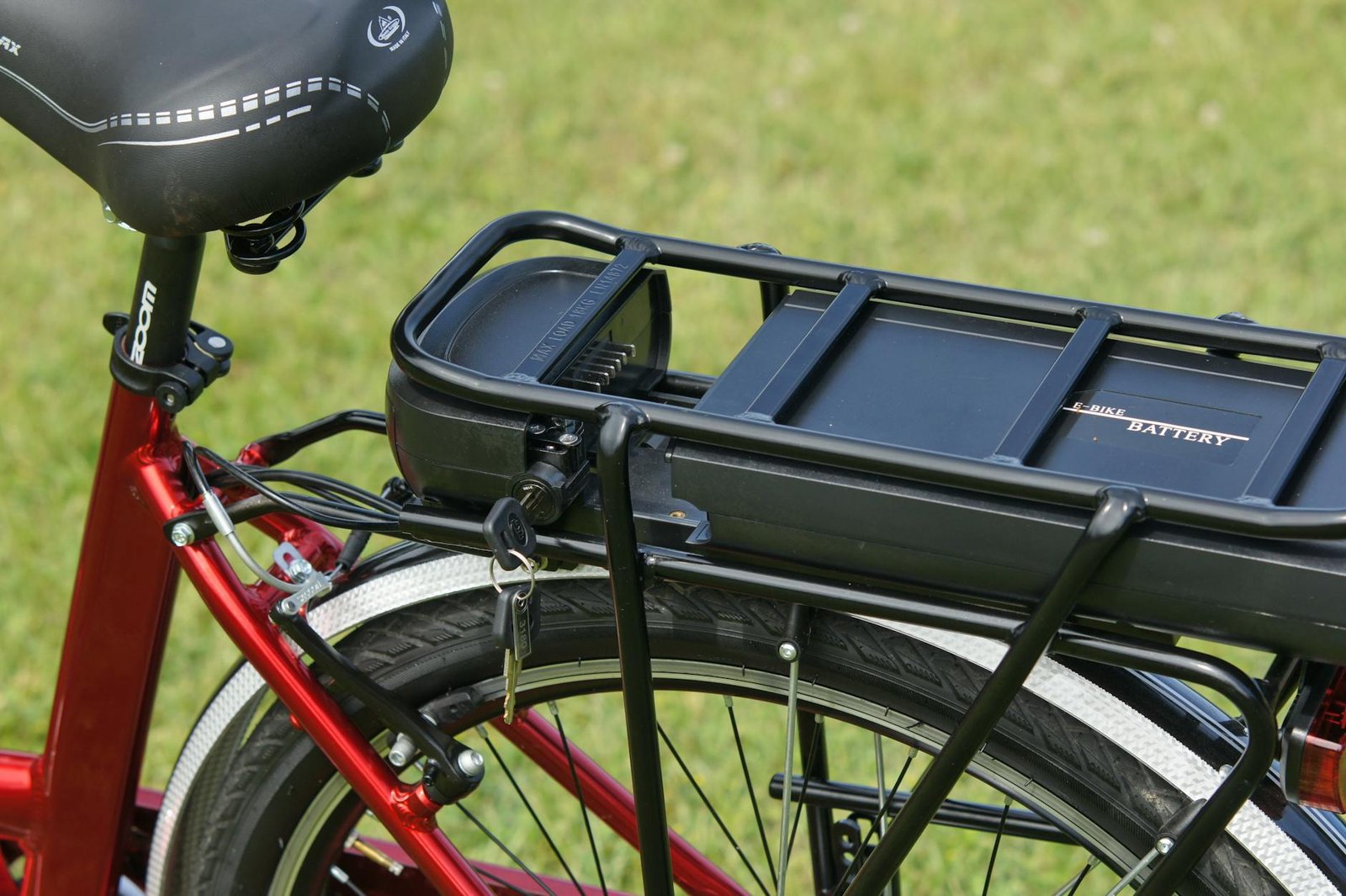
The Lectric XPress2 uses a frame-integrated battery. That sounds premium until you need to replace it. Lectric controls the supply. If they discontinue the model or go out of business, your frame becomes a paperweight. E-bikes built on Bosch or Shimano mid-drive systems use industry standards. Hundreds of bike shops stock parts. Independent repair is possible.
The same logic applies to every wearing component. Budget bikes use house-brand derailleurs, brake calipers, and controllers. When a cable housing fails or a derailleur hanger bends, you can’t walk into a bike shop and buy a generic replacement. You order from the manufacturer and wait. If the manufacturer has moved on to the XPress3 or XPress4, the part you need might not be available at all.
This is path dependence in its clearest form. Your purchase determines what’s possible three years later. You saved $3,000 upfront. You’re now paying for it in constrained repair options, longer downtime, and the eventual realization that the bike has a hard expiration date.
What Budget Brands Actually Optimize For
Budget e-bike companies aren’t selling you a worse version of the same thing. They’re solving a different problem with different constraints. The constraint: hitting a price point that makes the bike accessible to buyers who can’t or won’t spend $3,000. Everything else flows from that.
To hit $999 for the Lectric XPress2, the company had to source the cheapest battery cells that meet minimum safety standards. They had to use a hub motor instead of a mid-drive because hub motors are simpler and cheaper to integrate. They had to design proprietary mounting systems because off-the-shelf systems add cost and complexity. Every decision trades long-term serviceability for short-term affordability.
Lectric is solving the problem they set out to solve. But buyers need to understand what problem they’re optimizing for. A $999 e-bike is optimized to be purchasable at $999. A $4,000 e-bike is optimized to be maintainable for ten years. Different objectives.
The Real Trade-Off
Budget e-bikes do work. The Lectric XPress2 will get you to work and back reliably for the first year, possibly longer. If your plan is to ride it for two years and replace it, the value proposition holds. You’re effectively leasing an e-bike for $500 per year.
The myth breaks down when buyers assume the budget bike can be maintained like the expensive bike. It can’t. Expensive bikes use standardized components because they’re designed to be repaired by independent mechanics using commodity parts. Budget bikes use custom components because standardization costs money and the budget doesn’t allow for it.
Once you buy into a proprietary system, your options narrow with each passing year. The manufacturer controls your parts supply. Your local bike shop can’t help you. Your ability to keep the bike running depends entirely on the manufacturer’s continued support for that specific model.
The Accurate Model
Budget e-bikes aren’t cheap versions of expensive e-bikes. They’re appliances with planned obsolescence built into the economics. You’re buying a fixed-lifespan product that will be difficult to repair once the manufacturer moves on to the next model. Expensive e-bikes are platforms designed for long-term serviceability using industry-standard components.
Neither approach is wrong. But understanding the difference changes the math. Calculate cost per mile over five years instead of purchase price, and the gap narrows. The $4,000 bike that lasts a decade costs less per year than the $1,000 bike you replace every three years. The cheap bike locks you into a replacement cycle. The expensive bike locks you into a repair ecosystem. Choose the path that matches your actual use case, not the one that feels like better value on day one.