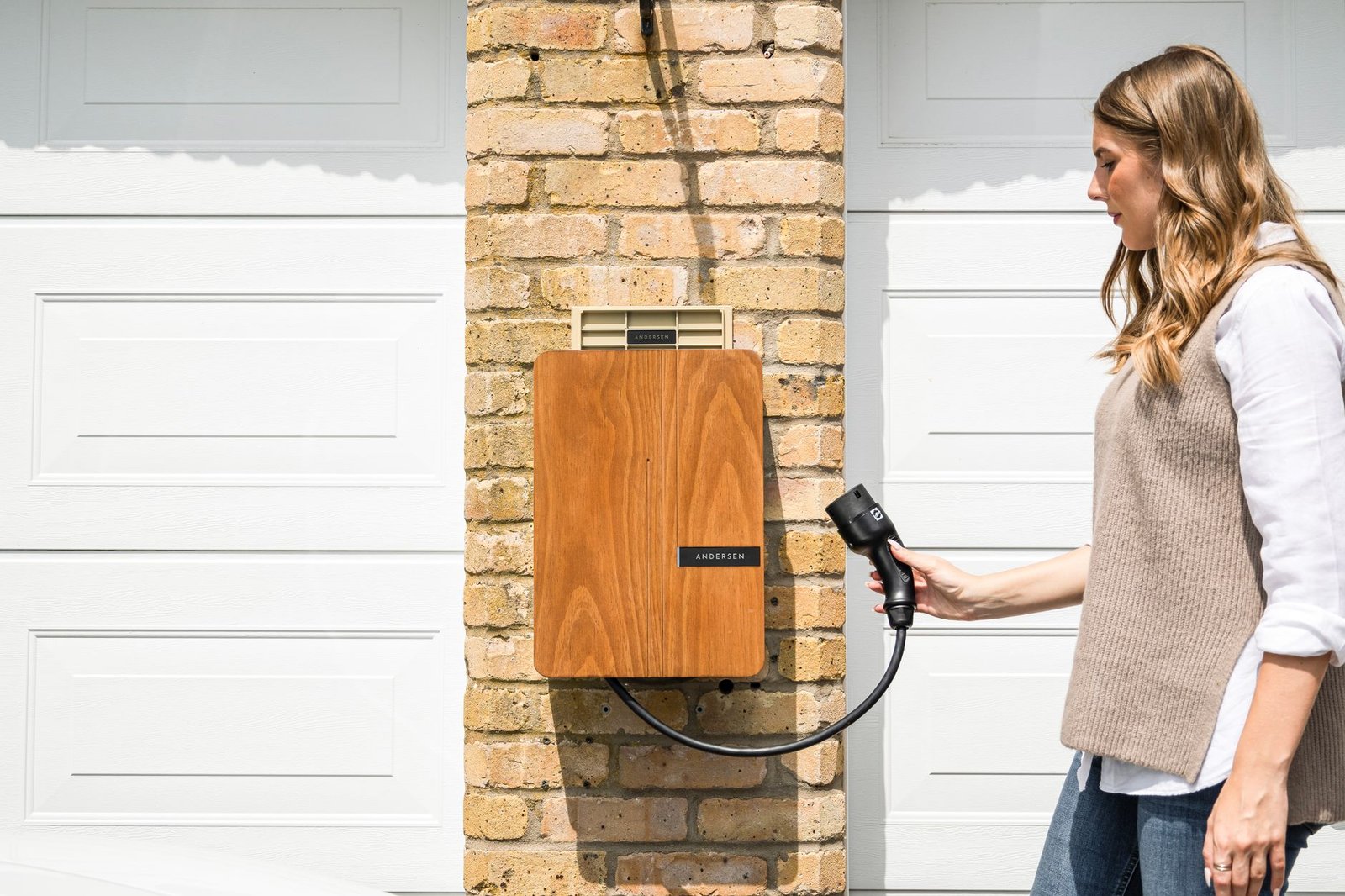
Volkswagen’s €720 payment to EV owners who keep their cars plugged in at home sounds generous, but it reveals a deeper problem: the grid can’t absorb vehicle-to-grid technology without first solving the chicken-and-egg problem of hardware rollout.
The Promise You’re Hearing
Volkswagen’s charging subsidiary, Elli, launched a vehicle-to-grid program in Germany that pays EV drivers up to €720 in the first year just for keeping a compatible vehicle plugged in at home. The pitch is simple: plug in your compatible ID. model, let the grid use some of your battery’s stored energy during peak demand, and get paid for it. No behavioral change required beyond keeping the cable connected.
The program positions V2G technology as a mature capability where your EV functions as a grid asset and you receive compensation as a distributed energy resource. Some observers interpret this VW home charging incentive as evidence that EVs have entered a new phase of revenue generation for their owners through grid stabilization services.
The Hardware Sequence Nobody Mentions
Vehicle-to-grid requires three pieces of infrastructure to exist simultaneously in the same location: a bidirectional charger, a compatible vehicle, and a grid operator willing to pay for the service. The sequence in which these pieces arrive determines whether V2G works at all.
Germany has roughly 1.6 million battery-electric vehicles on the road as of late 2024. Only a small fraction of those support bidirectional charging today, as the capability requires both compatible vehicle hardware and software and remains rare across the current fleet. The bidirectional home chargers cost roughly €3,000 to €5,000 installed. Grid operators have no mechanism to pay individual households for energy services unless someone builds the billing and metering infrastructure first.
Volkswagen is trying to solve this chicken-and-egg problem by paying people €720 to install hardware that currently delivers little grid benefit. The hardware sequence problem explains why the payment exists: if bidirectional chargers were already common, and if most EVs could already feed power back to the grid, and if utilities already had systems to compensate household energy storage, Volkswagen wouldn’t need to spend money convincing people to plug in.
The €720 functions as a subsidy to accelerate hardware adoption so that grid services might become possible three to five years from now, rather than compensation for grid services currently rendered.
What the Payment Structure Reveals
The VW home charging incentive pays drivers largely regardless of whether the grid actually uses their vehicle’s battery. You get paid primarily for being plugged in, not for delivering kilowatt-hours during peak demand. That detail matters.
If V2G economics worked today, the payment would be tied to actual energy dispatch. You’d get paid when the grid operator drew power from your battery during a 6 PM demand spike on a cold January evening. The payment would vary based on wholesale electricity prices and grid stress.
Instead, Volkswagen is paying a largely fixed annual amount for being connected and available. The metric is availability, not energy delivered. This payment structure appears when the hardware capability exists but the compensating market infrastructure does not.
German grid operators are running pilot programs to test V2G dispatch, but they’re years away from having the software systems, regulatory approvals, and metering standards to pay thousands of individual households for real-time energy services. Volkswagen is betting that by the time those systems exist, enough people will have already installed bidirectional chargers that V2G can scale quickly.
The Real Cost Buried in the Incentive
A €4,000 bidirectional charger installation offset by a €720 first-year payment still leaves the buyer covering around €3,280 up front. That’s a substantial capital outlay for a service that generates little immediate cash flow. The payback period depends heavily on future grid compensation programs that don’t yet exist at scale.
The incentive becomes attractive if you were already planning to install a home charger and the €720 makes the bidirectional option more appealing than a standard AC wallbox, but offers little value if you were planning to charge at work or use public infrastructure.
This creates a selection effect: the people who take the VW home charging incentive are disproportionately homeowners with dedicated parking, disposable income, and a high tolerance for adopting unproven technology. That’s not the demographic profile of the average EV driver in Germany, where many urban residents park on the street and charge opportunistically.
The hardware rollout is therefore path-dependent on wealth and housing type. V2G becomes viable first in affluent suburbs with single-family homes and arrives last, if at all, in apartment buildings and urban cores where charging infrastructure is shared. The sequence of adoption determines which neighborhoods can participate in future grid services markets.
Why the Sequence Determines the Outcome
Path dependence in V2G adoption means that early infrastructure choices constrain future possibilities. If bidirectional charging becomes common first among wealthy suburban homeowners, grid operators will design compensation programs around that demographic’s usage patterns. Those programs may not work well for apartment dwellers who charge in shared garages or for drivers who rely on workplace charging.
The alternative path would have been to deploy bidirectional capability in public charging infrastructure first, where many vehicles could share a single expensive charger. That would have made V2G accessible to renters and people without home charging. But public charging operators have little incentive to install bidirectional hardware because they make money selling electricity, not storing it. Bidirectional public chargers reduce throughput and complicate billing.
So the rollout happens at home first, among the demographic with the most charging options and the least need for grid revenue. By the time V2G reaches broader markets, the technical standards and compensation structures will already be optimized for single-family home use cases.
The Grid Services That Might Actually Materialize
Vehicle-to-grid technology works best for frequency regulation and short-duration peak shaving. A utility might need tens of megawatts of reserve capacity for several minutes to stabilize grid frequency during a sudden generator outage. That’s a service a large fleet of plugged-in EVs can help provide.
It works poorly for long-duration energy arbitrage. Buying cheap electricity at 2 AM, storing it in your EV battery, and selling it back at 6 PM sounds economically attractive, but it degrades the battery and reduces the vehicle’s available range. Most drivers won’t accept meaningful range reduction in exchange for a few euros per day.
The €720 first-year payment from Volkswagen works out to roughly €2 per day. That’s enough to cover the administrative hassle and minor battery wear from occasional V2G dispatch. It’s not enough to justify sacrificing 20 kilometers of range every afternoon so the grid can avoid firing up a peaker plant.
The realistic use case is passive participation: your car is plugged in, the grid occasionally draws a few kilowatt-hours during stress events, and you barely notice. That’s valuable to grid operators, but it’s not transformative.
What V2G Compensation Actually Buys
The VW home charging incentive pays to establish a hardware installed base that makes grid services possible tomorrow, rather than paying for grid services delivered today. The economic model only works if you assume that in three to five years, German utilities will have functional V2G compensation programs that pay more than €720 annually.
That’s a reasonable bet for Volkswagen, which benefits from higher EV residual values if buyers believe the vehicles have revenue-generating capability. It’s a riskier bet for the individual buyer, who is fronting capital for a bidirectional charger based on projected future income from a market that doesn’t yet exist.
Some EV owners are being paid to install hardware that might enable future income if grid operators build the necessary market infrastructure in the next few years, rather than receiving compensation for immediate revenue-generating capability. The sequence matters: hardware first, then market structure, then revenue. Skip a step and the whole chain breaks.