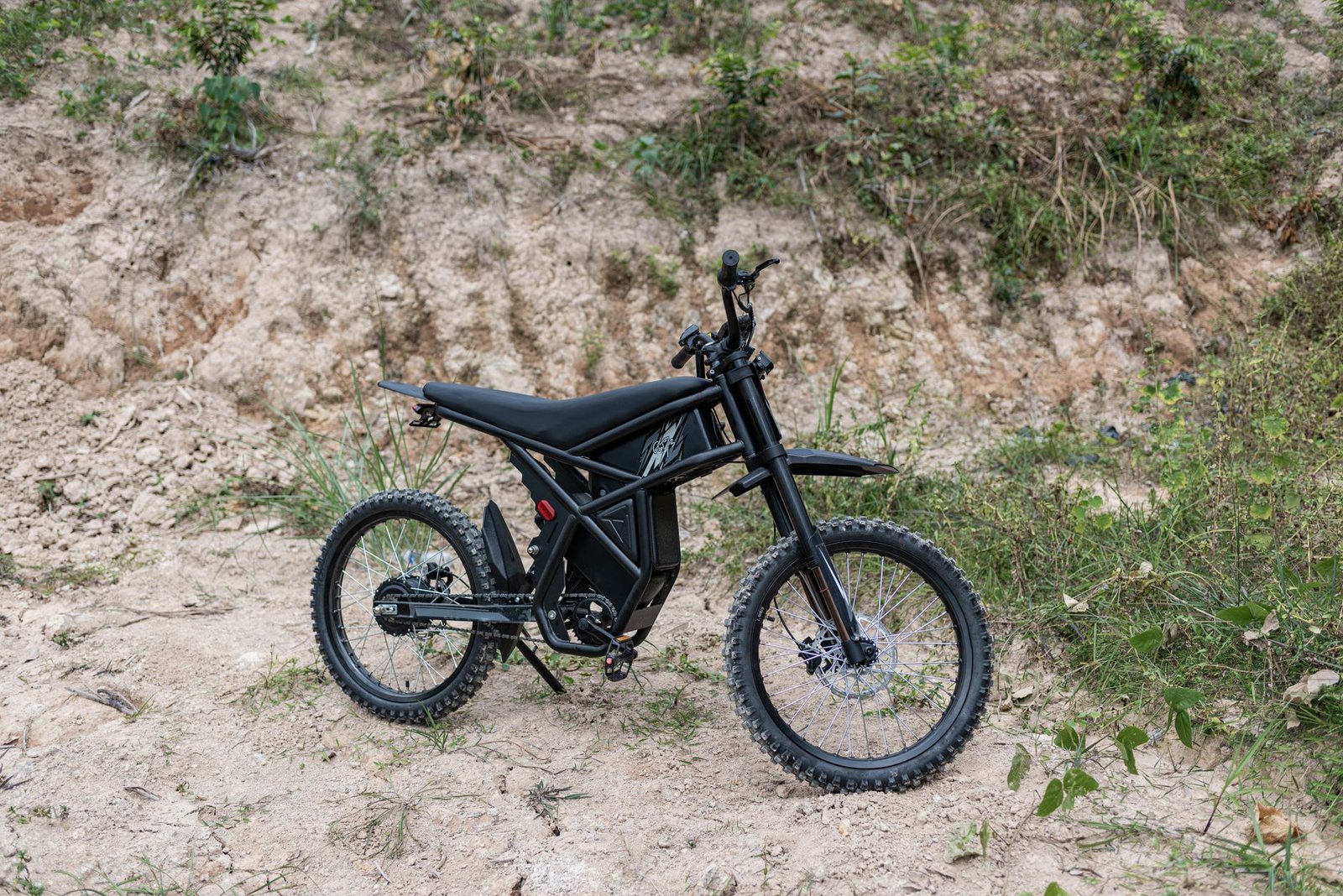
You’re standing in your garage at 7 a.m., smartphone in hand, scrolling through electric bike listings. One costs $899, promises 40-mile range, and ships from a warehouse you’ve never heard of. Another costs $3,200, comes from a brand that’s been around since 2015, and offers nearly identical specs. You refresh the page, read another review, and still can’t figure out which one won’t strand you six months from now with a dead battery and no replacement parts. The best electric bikes aren’t hiding at a specific price point. They’re hiding behind a performance claim that most buyers misunderstand completely.
The Range Number Everyone Trusts (But Shouldn’t)
Every e-bike listing leads with range. 40 miles. 60 miles. 80 miles on pedal assist level one. The number sits right next to motor wattage and battery capacity, looking equally concrete. It’s not. Range claims on electric bikes come from test conditions that assume flat terrain, light riders, mild weather, and the lowest pedal assist settings most people never actually use. Real-world range collapses under hills, headwinds, cargo weight, and the simple fact that most riders want the motor doing more than 20% of the work.
A 750-watt mid-drive motor paired with a 48-volt, 14-amp-hour battery (roughly 672 watt-hours) might promise 50 miles of range. In practice, a 200-pound rider climbing moderate hills in 40-degree weather on assist level three will often see barely half that before the battery warning lights up. The $899 bike and the $3,200 bike both make similar range claims. They both fail to deliver them under identical conditions. The difference isn’t in the claim. It’s in what happens when the battery starts degrading after a few hundred charge cycles.
What Cheap Batteries Cost You Later
Battery chemistry determines whether your e-bike holds value or becomes electronic waste. Budget e-bikes use generic lithium-ion cells with inconsistent quality control. Premium models source cells from established suppliers like LG, Samsung, or Panasonic with documented cycle life and thermal management. The performance gap doesn’t show up in month one. It shows up in month eighteen when the budget bike’s range has dropped noticeably and the manufacturer offers no replacement battery at any price.
A quality battery pack costs $400 to $700 to replace. Budget e-bike companies fold, rebrand, or discontinue models faster than batteries degrade. You often cannot find a replacement battery for a bike the company stopped making a year or two ago. The $899 bike that seemed like smart economics becomes a near-total loss when the battery dies and no compatible replacement exists. The $3,200 bike’s battery degrades too, but the manufacturer still sells the exact replacement part years later because they’re planning to support the model long-term.
Cycle life matters more than initial capacity. A 48V 14Ah battery rated for 800 cycles at 80% retention will outlast a 48V 17Ah battery rated for 400 cycles, even though the second pack starts with more capacity. Budget brands don’t publish cycle life ratings. Premium brands do, because the numbers work in their favor.
The Mid-Drive vs. Hub Motor Math
Hub motors mount in the wheel. Mid-drive motors mount at the cranks and drive the chain. The configuration difference creates a cost gap of several hundred dollars on otherwise similar bikes. Hub motors dominate the budget category because they’re simpler to manufacture and install. Mid-drives dominate the premium category because they handle hills and heavy loads without overheating.
A 500-watt hub motor may peak at 750 watts or more for short bursts but can’t sustain it. A 500-watt mid-drive motor handles sustained loads better because it uses the bike’s gears for mechanical advantage. On flat ground at 20 mph, both motors feel similar. On a steep grade with heavy cargo, a hub motor can overheat and reduce power, while the mid-drive maintains assist because it’s working in the bike’s lowest gear, keeping motor RPM in the efficient range.
Most riders think they don’t need mid-drive power until they’ve already bought the hub motor bike and discovered its limits. If your terrain includes sustained climbs over 8%, or if you’ll regularly carry loads over 30 pounds, the mid-drive motor isn’t a luxury feature. It’s the difference between arriving or walking the last quarter mile.
Who Each Approach Actually Serves
The budget hub-motor e-bike works for flat-terrain commuters riding under 15 miles round trip who can charge daily and plan to replace the entire bike in three years. You’re not paying for durability. You’re paying for motorized transportation that costs less than a few months of gas. If your route is flat, your garage is dry, and you’re comfortable treating the bike as disposable, a $1,200 hub-motor model from an established brand delivers value.
The premium mid-drive e-bike serves riders treating the purchase as transportation infrastructure, not a gadget. Hilly commutes, year-round riding, cargo hauling, or any scenario where you need the bike working in year four. You’re paying $2,800 to $3,500 for serviceability. Replacement parts exist. The frame is designed for load. The motor can be rebuilt. The battery can be replaced. These bikes depreciate slower because they remain functional longer.
The Feature That Predicts Longevity
Serviceability separates disposable e-bikes from durable ones, but it’s invisible in spec sheets. Can you buy a replacement derailleur hanger? Is the battery pack built with standard 18650 or 21700 cells, or is it a proprietary module that dies as a single unit? Does the manufacturer publish a service manual, or do they expect you to ship the entire bike back for repairs?
The best predictor of long-term ownership cost isn’t initial price. It’s whether the company has been manufacturing the same frame platform for three-plus years and still sells parts for discontinued models. A bike from a brand that launched eight new models in the last 18 months is a support nightmare waiting to happen. A bike from a brand selling the same frame for several years with incremental updates has proven they’re optimizing for serviceability, not Instagram launches.
The Constraint That Should Drive Your Choice
Forget range claims and motor wattage. The question that determines whether you buy the $1,200 bike or the $3,200 bike is this: what’s your replacement threshold? If this bike becomes unrepairable in year two, do you shrug and buy another one, or does that break your transportation plan?
Budget e-bikes make sense when you’re testing whether bike commuting works for your life before committing serious money. They make sense when you have a backup car and the e-bike is convenience, not critical infrastructure. They stop making sense the moment you need the bike working reliably for more than a few hundred charge cycles or several thousand miles.
The Decision
If you’re riding less than 10 miles per trip on flat terrain, have secure indoor storage, and can replace the bike in three years, buy the $1,200 to $1,500 hub-motor bike from a brand that’s been shipping for at least two years. Check that replacement batteries are in stock before you buy.
If you’re replacing car trips, riding in variable terrain, or need the bike functional in year five, spend $2,800 minimum on a mid-drive model with published battery specs and a service manual. The longevity gap justifies the cost difference over the first couple of years of ownership.
The best electric bikes aren’t at the top or bottom of the price range. They’re at the point where build quality matches your actual replacement threshold. Anything else is paying for features you don’t need or buying depreciation you can’t afford.