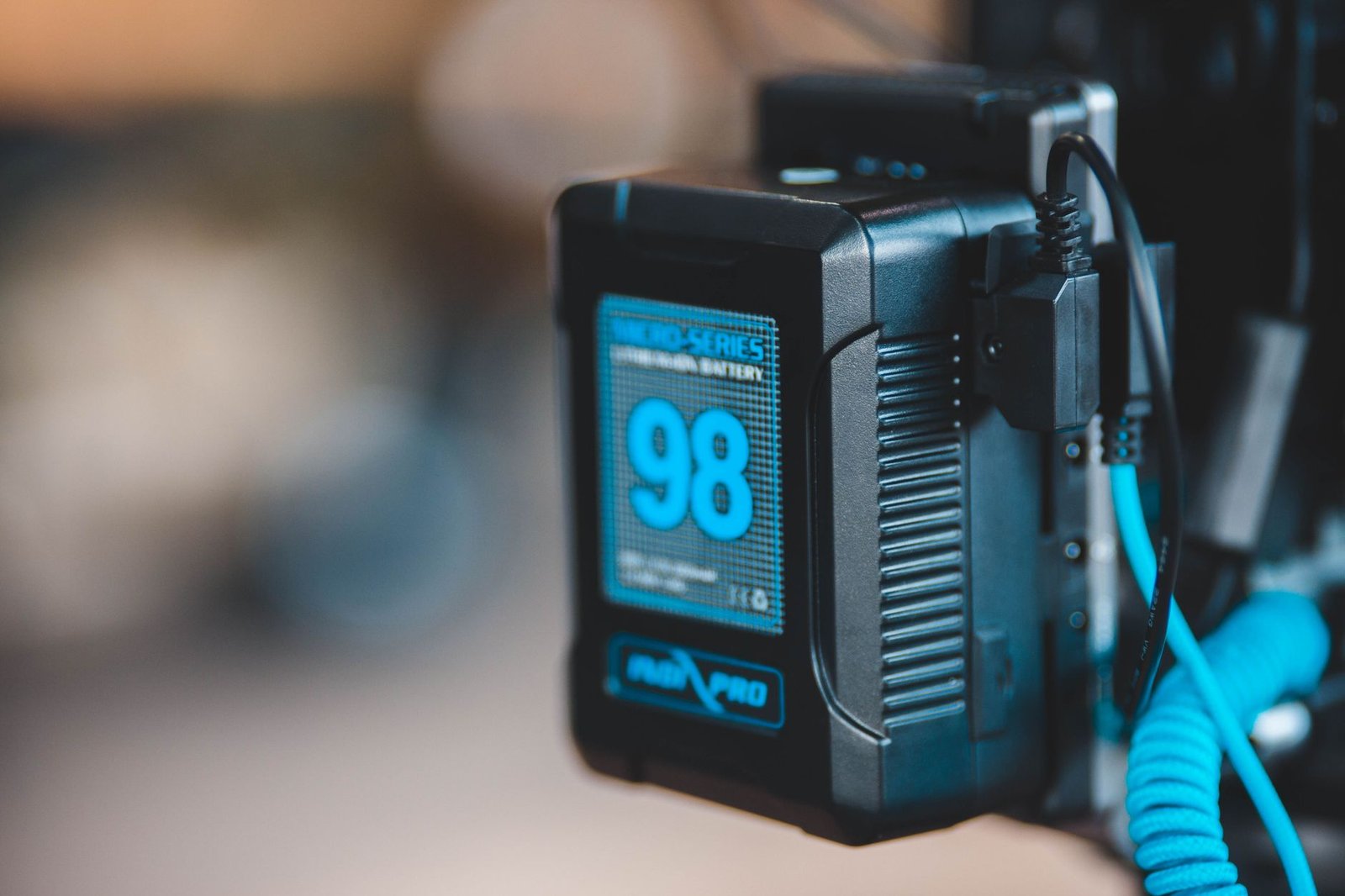
Excerpt: Portable power stations market themselves as home backup solutions, but the math rarely works. The BLUETTI Apex 200 shows why capacity claims and real-world power needs exist in different universes.
The Pitch You Hear Everywhere
Walk into a trade show booth or scroll through an Amazon listing for the BLUETTI Apex 200, and you’ll see the same promise: “whole home backup.” The spec sheet lists 2,000Wh of capacity, expandable to 16,384Wh. The marketing photos show a glowing house, smiling family, refrigerator humming along. The copy says you’re covered when the grid goes down. At $1,099, it sounds like insurance you can actually afford.
This pitch has become standard across the portable power station market. Every manufacturer frames their product as the solution to blackouts, winter storms, grid instability. The BLUETTI Apex 200 isn’t unique here. It’s just the latest example of a category-wide messaging problem: calling something “home backup” when the engineering reality is “selective appliance power for a few hours.”
Where the 2,000Wh Number Comes From
The BLUETTI Apex 200 uses lithium iron phosphate (LiFePO4) cells rated for 2,000 watt-hours of storage. That’s a real number. The battery chemistry is solid. LiFePO4 handles charge cycles better than standard lithium-ion, which matters for a product you might use weekly during camping season and monthly during power outages.
But watt-hours measure storage, not runtime. A 2,000Wh battery powering a 100W load runs for roughly 20 hours. The same battery powering a 2,000W load runs for about an hour. Most households don’t run a single 100W load during an outage. They run a refrigerator (which draws 100-800W depending on compressor cycles, but averages much less over time), a router (10-20W), phone chargers (10-20W total), maybe a laptop (50-100W), and lights (variable, but LED bulbs help). Add a window AC unit or space heater, and you’re pulling 1,000-1,500W continuously.
The average American household uses about 30 kWh per day, which averages to roughly 1,250W continuous. The BLUETTI Apex 200 holds 2 kWh. That’s less than two hours at average consumption. Marketing says “backup.” Physics says “triage.”
What the Expansion Claims Actually Mean
The spec sheet for the BLUETTI Apex 200 mentions expandability to 16,384Wh. That sounds like roughly eight times the base capacity, which would get you closer to actual backup territory. But expansion requires buying additional battery packs at roughly $1,000 per 2,000Wh unit. Getting to 16 kWh costs around $8,000 total.
At that price point, you’re competing with grid-tied battery systems like the Tesla Powerwall 3, which offers 13.5 kWh for around $11,500 installed. The Powerwall integrates with solar, recharges from the grid during off-peak hours, and doesn’t require you to haul battery packs around or manage DC cables between units. The modular approach of the BLUETTI Apex 200 offers flexibility. You can take one unit camping and leave the others at home. But calling an $8,000 multi-unit setup a cost-effective home backup solution stretches the definition.
Most buyers won’t expand beyond one or two units. They’ll use the base 2 kWh configuration and discover what that actually powers.
The Grain of Truth: Some Backup Is Better Than None
The marketing isn’t entirely wrong. During a four-hour afternoon outage, a 2,000Wh battery keeps your refrigerator cold, your phone charged, and your internet running. That’s valuable. It’s not whole-home backup, but it’s not useless either.
The BLUETTI Apex 200 occupies a real niche: the gap between doing nothing and installing a $10,000-15,000 permanently mounted system. For households in areas with occasional short outages, or for people who want backup power they can also take to a job site or campground, the flexibility justifies the purchase. The product works. It does what the engineering allows.
The problem is the framing. Calling it “home backup” sets an expectation the capacity can’t meet. A more honest pitch would be “essential appliance backup for short outages” or “power your fridge and router for several hours.” That’s less exciting copy, but it matches what a 2 kWh battery actually delivers.
Why the Overstatement Persists
Portable power stations compete in a crowded market where product differentiation is hard. The underlying technology is largely the same across brands: LiFePO4 cells, inverters rated for continuous and surge wattage, charge controllers for solar input. Specs converge quickly. What separates one unit from another often comes down to industrial design and marketing narrative.
“Home backup” tests better than “appliance backup.” It evokes security, self-sufficiency, resilience. It taps into real anxieties about grid reliability without requiring the buyer to do watt-hour math. Most consumers don’t know their household’s average power draw. They hear “2,000 watt-hours” and think “2,000 watts for hours,” which isn’t how the units work.
Manufacturers have little incentive to correct this misunderstanding. Returns are uncommon because the product does function as advertised in the fine print. Buyers use it for camping, discover it keeps the fridge running during a brief outage, and feel satisfied. The cognitive dissonance between “whole home backup” and “kept three things running for six hours” doesn’t trigger buyer’s remorse if the experience was still useful.
What You’re Actually Buying
The BLUETTI Apex 200 is a 2 kWh portable battery with a decent inverter and modular expansion options. It will keep essential low-wattage devices running for several hours during a grid outage. It will not power your whole house unless your whole house consists of a refrigerator, a lamp, and a phone charger.
If you want true whole-home backup, you need 10-15 kWh minimum, either from a grid-tied system or multiple battery units totaling that capacity. You also need an inverter rated for your home’s peak load, which for most homes means at least 5,000W continuous. The BLUETTI Apex 200 is rated at 2,000W continuous output (with higher surge capacity), which further limits how much it can run at once.
The accurate framing: this is a flexible power source for selective backup and portable use. It’s insurance against losing your refrigerator contents during a four-hour outage, not insurance against living without power for three days. Know what you’re buying, and the product makes sense. Believe the “whole home” framing, and you’ll spend $1,099 learning the difference between watt-hours and watts the hard way.