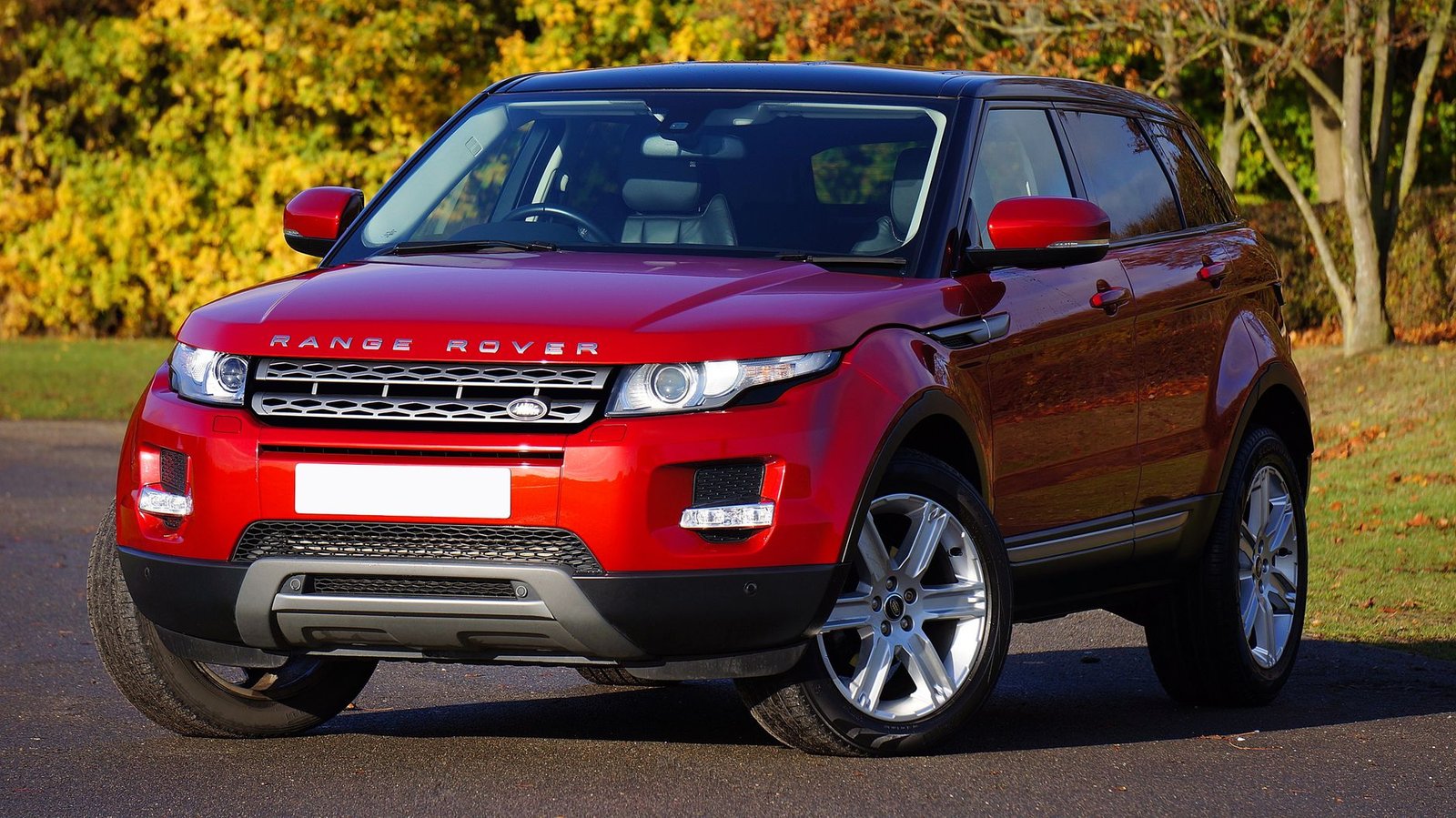
When Land Rover priced the Range Rover Electric at around $140,000, they created a natural experiment in automotive economics. The battery-powered version costs about the same as the most expensive gas-powered Range Rover, despite carrying a 118.5 kWh battery pack, twin permanent magnet motors, and an 800-volt electrical architecture. Most EVs command a price premium over their internal combustion siblings. So how did Land Rover make the math work? And more importantly, what does that pricing decision tell us about where they’re placing their capital bets?
The Battery Math That Usually Doesn’t Add Up
A 118.5 kWh battery pack represents roughly $12,000 to $16,000 in cell and pack costs at current industry averages of roughly $100 to $130 per kWh. Add the twin motors, the inverters, the cooling systems, and the structural reinforcement needed to carry close to three tons of vehicle, and you’re looking at components that could push the Range Rover Electric well past $160,000 if priced like a typical EV. Yet it sits around $140,000, competitive with gas versions equipped with V8 engines and luxury trim packages.
The cost avoidance comes from what Land Rover doesn’t need to build. No transmission (a complex multi-speed automatic in the gas version). No exhaust system. No catalytic converters or emissions control hardware. No mechanical transfer case or low-range gearing. The electric drive units handle power distribution through software, eliminating mechanical complexity that would otherwise cost significant sums to engineer and manufacture. The battery pack itself provides structural rigidity, reducing the amount of steel reinforcement needed elsewhere in the chassis.
But component costs only explain part of the equation. The real capital discipline shows up in what Land Rover chose not to do. They didn’t develop a bespoke EV platform. They didn’t create special badging or distinctive styling that would require separate tooling. They kept the electric model visually close to the gas version except for aerodynamic tweaks and the absence of tailpipes. That means the two vehicles share assembly lines, paint shops, interior trim suppliers, and quality control processes. Shared infrastructure means the fixed costs get spread across both powertrains instead of requiring duplicate investment.
What the Spec Sheet Reveals About Trade-Offs
The Range Rover Electric delivers around 542 horsepower and roughly 627 lb-ft of torque, matching the acceleration of the V8 model at roughly 4.3 seconds to 60 mph. But it carries a few hundred pounds more mass than the heaviest gas Range Rover. That weight delta is smaller than expected because Land Rover didn’t chase maximum range. At an estimated range in the low-to-mid 300s of miles, this is a daily-use vehicle, not a cross-country road tripper.
Here’s where the capital allocation becomes clear. Land Rover could have installed a larger battery pack and claimed considerably more range. That would have added thousands in battery costs, required structural reinforcement to handle the extra weight, and pushed the vehicle into a different performance category. Instead, they sized the battery for the use case: wealthy buyers who own multiple vehicles and rarely drive more than 200 miles between charging opportunities. The range comfortably covers weekend trips to country estates. The 800-volt architecture supports fast charging that can add a meaningful chunk of range in around 10 minutes, enough to extend a trip without significant delay.
The technical specifications tell you what Land Rover values. The traction management system reacts far faster than a conventional mechanical system because it operates through software and electric motor control rather than hydraulic linkages. The air suspension responds more quickly to inputs. These aren’t minor improvements. They represent software and sensor investments that differentiate the electric model in daily driving, not just on spec sheets. You can’t fully replicate that responsiveness with a gas powertrain because the mechanical linkages introduce latency. Land Rover spent engineering budget on dynamic capabilities that actually matter in real-world use, rather than chasing headline numbers like maximum horsepower or fastest charging speed.
The Off-Road Capability Nobody Asked For (But Everyone Expects)
The Range Rover Electric was developed to match the wading depth of its combustion counterpart, which is around three feet. It includes Wade mode in the drive settings. The vehicle weighs close to three tons, yet it is engineered to complete off-road courses that would challenge most dedicated trail vehicles.
This is expensive capability. Waterproofing an 800-volt electrical system costs real money. The battery pack needs protection from rock impacts. The cooling system has to function when partially submerged in cold water. Most buyers will never wade through a stream. But Range Rover brand equity depends on off-road credibility, even among customers who never leave pavement. This is capital spent on maintaining brand position rather than meeting customer demand.
The calculation makes sense when you consider residual values. A Range Rover that can’t do off-road duties isn’t really a Range Rover. It becomes a heavy luxury SUV competing against vehicles that cost tens of thousands less and deliver similar highway performance. The off-road capability is insurance against brand dilution. It costs additional engineering and components, but it protects a brand worth billions.
What Gets Sacrificed When You Don’t Charge a Premium
Most automakers price their electric vehicles above comparable gas models to offset development costs and hedge against uncertain demand. Land Rover chose parity pricing, which means they’re absorbing costs somewhere else. The most obvious place is volume. Land Rover doesn’t need to sell 50,000 Range Rover Electrics annually to justify the investment. If they move a few thousand units at healthy margins, the platform pays for itself while establishing Land Rover as a credible EV manufacturer.
That low-volume strategy only works because they avoided the capital trap of building dedicated EV infrastructure. A separate assembly line, specialized training programs, unique supplier relationships – that fixed cost infrastructure makes sense when you’re building hundreds of thousands of units annually. At a few thousand units, it’s a capital bonfire. Land Rover instead invested in making the electric powertrain fit the existing manufacturing process.
The downside is production flexibility. When demand spikes, Land Rover can’t easily ramp production because the electric and gas models share constrained resources. When battery costs drop, they can’t quickly pass savings to customers because they’ve locked in pricing around current cost structures. These are real limitations. But for a luxury brand selling to customers who value exclusivity, limited production volume isn’t a bug. It’s a feature that justifies the price.
Why This Pricing Strategy Doesn’t Scale
The Range Rover Electric pricing works because Land Rover operates at the luxury end of the market where buyers care more about brand and capability than pure value per dollar. Try the same approach with a mass-market vehicle and the math collapses. A $35,000 electric crossover needs volume to survive. You can’t absorb development costs across a few thousand annual sales. You need six-figure annual sales to justify the tooling investment.
That volume requirement forces different capital decisions. Mass-market EVs need dedicated platforms to achieve cost parity with gas vehicles. They need efficient manufacturing processes that minimize assembly time. They need supply contracts that lock in battery costs years in advance. All of that requires upfront capital that doesn’t generate returns until year three or four of production. Land Rover skipped that entire risk cycle by treating the electric powertrain as a premium option within an existing luxury platform.
The other limitation is geographic. Land Rover can price the electric and gas models comparably in markets where buyers have home charging access and road networks that support the vehicle’s range. But in markets where charging infrastructure remains sparse, the electric version becomes a harder sell regardless of price parity. That constrains market size, which limits the capital efficiency of the entire program.
The Signal in the Balance Sheet
When a company prices a new technology product at parity with legacy technology, they’re making a statement about confidence. Either they’ve achieved genuine cost parity through engineering efficiency, or they’re subsidizing early production to establish market position. The Range Rover Electric appears to be genuinely cost-competitive because Land Rover avoided the typical EV capital traps: bespoke platforms, over-sized batteries, and dedicated manufacturing infrastructure.
This matters because it shows a viable path for other luxury manufacturers. You don’t need to spend billions on dedicated EV platforms if you can engineer electric powertrains that fit existing vehicle architectures. You don’t need 500-mile range if your customers value other attributes more. You don’t need to create visually distinctive EVs if your brand strength carries across powertrains.
The risk is that this approach doesn’t prepare Land Rover for a future where EVs dominate sales volume. If regulations or customer preference shift hard toward electrification, Land Rover will need those dedicated platforms and high-volume manufacturing processes they’re currently avoiding. But as a capital allocation decision, pricing the electric model competitively while limiting risk through shared infrastructure looks like actual discipline rather than desperation.
**Excerpt:** The Range Rover Electric costs about the same as the gas model despite carrying a large, expensive battery pack. That pricing reveals careful capital discipline in what Land Rover chose not to build.