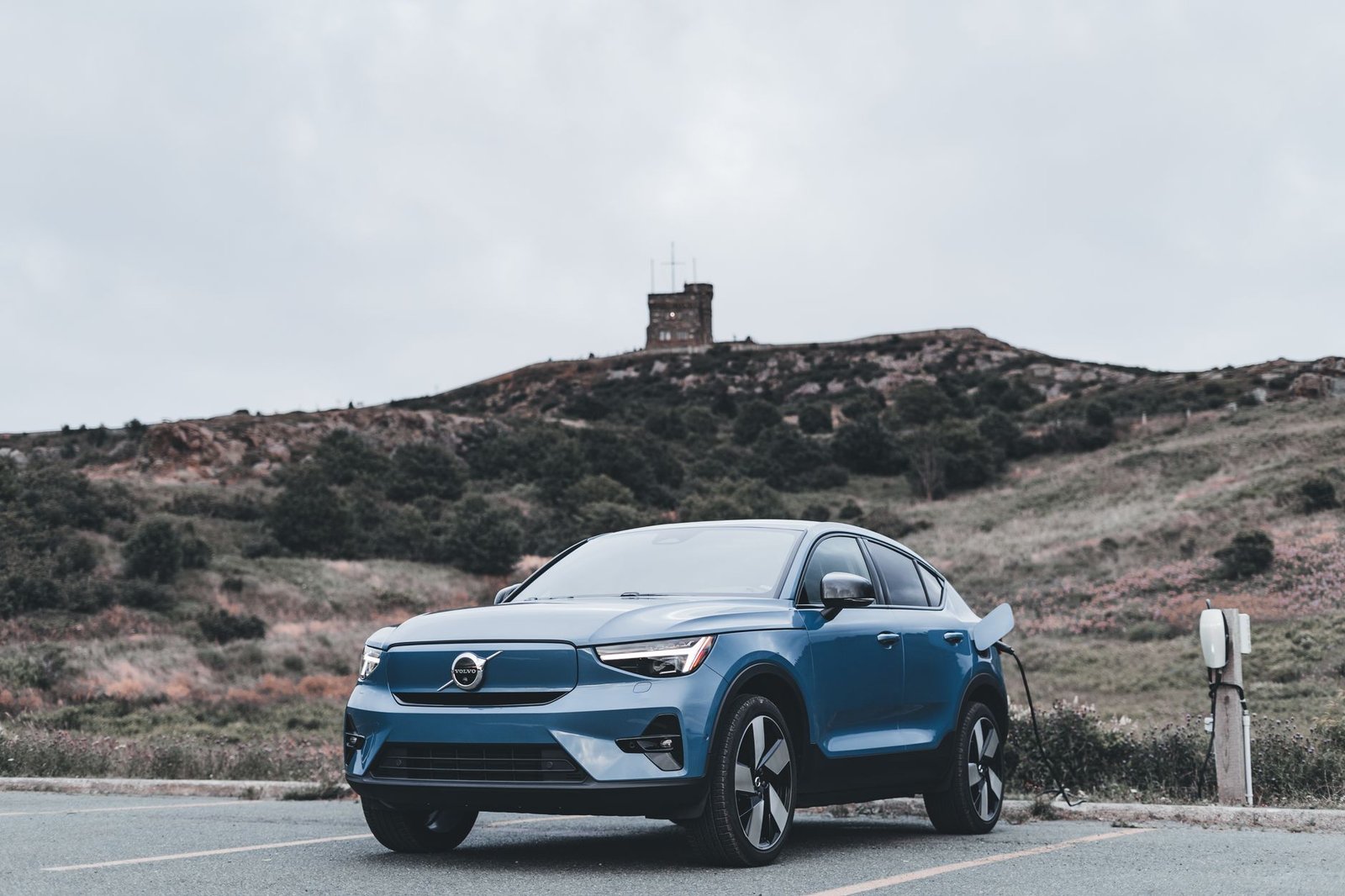
Volvo just announced plans for 13 new electric and plug-in hybrid vehicles by 2030, complete with new exterior styling and revamped interiors. That’s a lot of capital committed to sheet metal, software integration, and cabin redesigns. When EV price parity is finally arriving through other companies’ cost discipline, is now really the time to spend heavily on design differentiation?
This isn’t about whether Volvo’s new design language looks good. It’s about whether the capital allocated to developing entirely new vehicle platforms and interiors will generate returns in a market that’s increasingly commoditizing around battery cost and charging infrastructure. The average new EV in the U.S. cost $54,813 in August 2024, roughly 9% more than the average gas car, down from a larger premium the year before. That convergence happened primarily through manufacturing scale and battery cost reduction, not through expensive design overhauls.
The Real Cost of “New Design”
When an automaker announces a comprehensive design refresh across multiple vehicle lines, the bill runs into billions before the first customer sees a showroom. Exterior sheet metal tooling for a single model costs roughly $200 million to $400 million. Interior components, which Volvo is specifically highlighting as revamped, add another $100 million to $200 million per platform when you factor in new dashboard architecture, seat structures, trim suppliers, and quality validation.
Spread across 13 vehicles, and even with significant platform sharing to reduce duplication, you’re looking at several billion dollars in capital expenditure before considering the battery and powertrain development that actually makes these vehicles electric. That’s real money that could alternatively fund battery cell production capacity, charging infrastructure partnerships, or the kind of supply chain integration that’s actually driving EV prices down.
The financial math here matters because Volvo isn’t Tesla or BYD. It doesn’t have Tesla’s software margin structure or BYD’s vertical integration in battery production. Volvo sold roughly 708,000 vehicles globally in 2023. To justify billions in design capital expenditure, each vehicle needs to either command a meaningful premium or drive substantial volume increases. The current market trajectory suggests neither is guaranteed.
What Actually Drove Price Parity
The roughly 9% price gap between EVs and gas cars in August 2024 closed primarily through three mechanisms that had nothing to do with exterior design: battery cost reduction, manufacturing scale, and competitive pressure from non-luxury brands.
Toyota, Chevrolet, and Hyundai drove the affordability trend by launching models like the bZ and bringing back the Chevy Bolt at a sub-$30,000 starting price. Hyundai cut the Ioniq 5 price by roughly $10,000 on some trims, with the entry configuration targeting around 245 EPA miles on the smaller battery option. These weren’t design-led products. They were cost-optimized platforms with acceptable styling and competitive range.
Even incentive dependency decreased. Average EV incentives dropped roughly 20%, from about $8,200 to $6,600 in August 2024, while EV incentives as a percentage of transaction price fell from about 14.6% to 12%. The overall industry average incentive level sat at just 6.5% of ATP. That shift toward underlying supply-and-demand fundamentals indicates the market is maturing around functional competitiveness rather than aspirational differentiation.
Transaction prices for mass-market EVs remained essentially flat year-over-year. Tesla Model Y ATP dropped 0.2%, Hyundai Ioniq 5 fell 0.4%, Cadillac Lyriq decreased 0.1%. This market is commoditizing around battery efficiency and charging convenience, not rewarding premium positioning.
The Volvo Electric Design Gamble
Volvo’s capital allocation here represents a specific thesis: that buyers will pay extra for Swedish design language and interior refinement even as the EV market commoditizes. That thesis might work in the $60,000-plus luxury segment where Volvo traditionally competes, but it conflicts with where EV growth is actually happening.
Non-Tesla brands gained market share in 2024 specifically by moving downmarket with affordable models. A greater share of EV sales came from vehicles under $40,000, not from premium redesigns. Volvo’s historical strength has been in the $45,000 to $65,000 premium segment, positioning it awkwardly between the mass-market price compression and the true luxury tier where buyers might justify design premiums.
The capital discipline question becomes acute when you examine what competitors are doing with similar budgets. BYD invests heavily in battery cell production and owns much of its supply chain from lithium processing to pack assembly. Tesla poured capital into Gigafactories and Supercharger networks that create structural cost advantages. General Motors committed $35 billion to EV and autonomous vehicle development through 2025, with most funding directed at Ultium battery platform scale rather than unique exterior designs per model.
Volvo’s 13-vehicle design refresh spreads capital across differentiation that customers might not value highly enough to overcome cost disadvantages in battery procurement and manufacturing scale. Each dollar spent on unique interior trim or exterior styling is a dollar not spent on the battery supply contracts or cell production capacity that competitors are using to drive down per-unit costs.
Where Design Actually Matters
Design isn’t irrelevant. Specific design choices create measurable value in particular contexts. Aerodynamic efficiency directly impacts range and therefore battery costs for a given EPA rating. Interior packaging that maximizes usable cabin space from a given wheelbase reduces platform costs per cubic foot of utility. Software interface design that minimizes driver distraction can differentiate brands in ways that justify small premiums.
Comprehensive visual redesigns across 13 vehicles don’t primarily serve these functional purposes. They serve brand positioning and subjective aesthetic differentiation. That’s a justifiable strategy when you’re defending premium pricing against commoditization. It’s questionable when the market is actively rewarding cost efficiency over styling differentiation.
The relevant comparison is Hyundai’s approach with the Ioniq 5. Distinctive exterior design, yes, but married to a cost-optimized E-GMP platform shared across Kia and Genesis brands. That platform sharing allowed Hyundai to drop prices while maintaining acceptable margins through manufacturing scale. Volvo’s announcement emphasizes new design language but provides less clarity on platform economics or cost structure improvements.
The CFO’s Dilemma
From a capital allocation perspective, Volvo faces a classic innovator’s dilemma. The company built its brand on safety and Scandinavian design, which historically commanded premiums in the $45,000-plus segment. Maintaining that positioning requires continued investment in differentiation. But the EV market is maturing into a cost game where premiums compress rapidly once competitors achieve acceptable quality thresholds.
The financial risk isn’t that Volvo’s new design language will fail aesthetically. The capital spent developing unique styling and interiors across 13 vehicles could have alternatively funded the battery supply chain integration or manufacturing scale investments that create durable cost advantages. Once competitors achieve comparable range and charging speeds at several thousand dollars less per vehicle, Scandinavian interior trim doesn’t bridge that value gap for most buyers.
Average transaction prices already show this dynamic. The $54,813 average EV price in August 2024 sits in Volvo’s traditional competitive range, but that average is being pulled down by sub-$40,000 models gaining share. Volvo’s design-led strategy bets that enough buyers will pay $58,000 to $68,000 for refined interiors even as functional equivalents appear at $48,000 to $58,000. Historical auto industry margin pressure suggests that’s optimistic.
What Actually Signals Smart Capital Use
Investors and analysts should watch for three specific indicators over the next 18 months that would validate or contradict Volvo’s design-focused capital allocation. First, gross margin trends per vehicle compared to competitors like Hyundai, Ford, and General Motors on comparable EV segments. If Volvo maintains 18-20% gross margins while competitors sit at 12-15%, the design premium is working. If margins converge to a 14-16% industry average, the capital was spent defending a premium that didn’t hold.
Second, inventory turn rates relative to transaction price positioning. EVs sitting on dealer lots for 75-90 days indicate pricing is above market clearing levels regardless of design appeal. Healthy 35-45 day turns at premium prices would validate the differentiation strategy.
Third, battery supply agreements and per-kWh costs disclosed in financial filings. If Volvo announces long-term contracts below $90 per kWh or joint ventures for cell production, that signals management is balancing design investment with the cost structure work that actually drives EV competitiveness. If battery costs remain above $100 per kWh while competitors hit $85-90, the design capital came at the expense of the cost advantages that matter more.
The market is sending clear signals about what it values in EVs right now. Average prices converging toward gas car parity, incentive dependence declining, and volume growth concentrated in affordable models all point toward functional competitiveness and cost efficiency as the primary purchase drivers. Volvo’s bet on design differentiation might prove correct if luxury buyers are less price-sensitive than current data suggests. But the capital allocation had better be matched by equal discipline on the battery and manufacturing costs that actually determine whether those beautiful interiors come at prices buyers will accept.