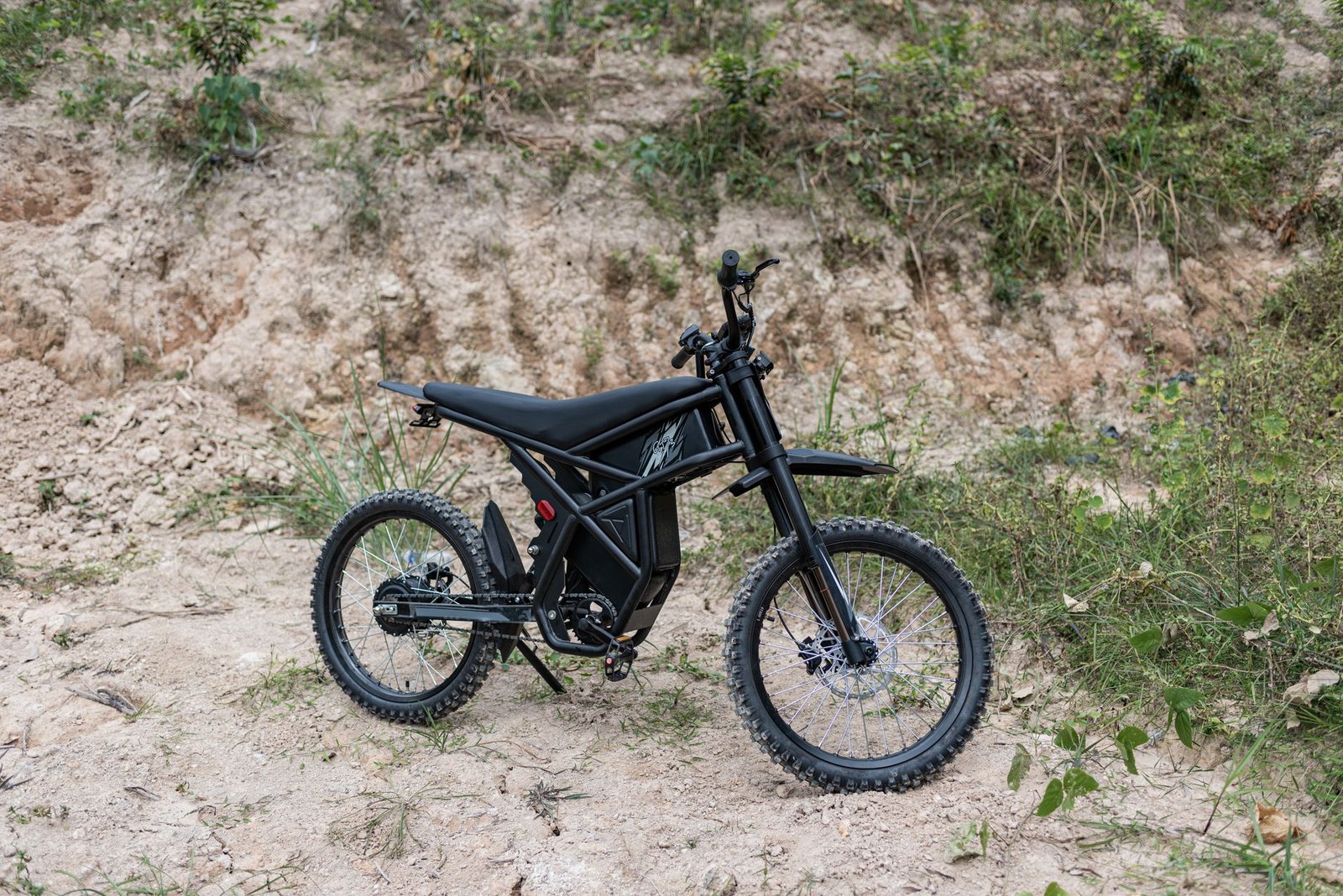
Lectric’s new XP Lite3 holds the same $799 price as its 2022 predecessor despite three years of inflation. The myth that cheap e-bikes cut corners on safety or durability doesn’t survive contact with the actual cost structure.
The Claim Everyone Believes
Browse any e-bike forum or Reddit thread, and you’ll find variations of the same warning: “You can’t get a good e-bike for under $1,200. Anything cheaper is cutting corners on the battery, brakes, or motor.” The belief is so widespread that buyers routinely dismiss sub-$1,000 models as disposable toys or potential fire hazards. When Lectric announced the XP Lite3 at $799, the same price as the original XP Lite from 2022, the skeptics showed up immediately. One commenter on Electrek wrote: “Same price after three years of inflation? What did they cheap out on this time?”
The myth assumes a fixed floor for quality. Below that price point, something critical must be compromised: fire-prone cells, undertorqued motors, brakes that fade after a few hills. This belief shapes purchasing decisions and keeps first-time buyers reaching for $1,500 models when a cheaper option would serve them fine.
How the Myth Got Started
The fear has roots in reality. Between 2018 and 2021, Amazon and big-box retailers flooded the market with unbranded e-bikes sporting no-name batteries, rudimentary controllers, and brake systems pulled from conventional bicycles. Some of those batteries did catch fire. Some of those motors did burn out. The Consumer Product Safety Commission issued multiple recalls.
At the same time, established bike shops positioned premium models as the safe choice. Trek, Specialized, and Cannondale launched e-bikes starting around $2,500, framing the higher price as buying peace of mind: UL-certified batteries, name-brand components, local service networks. The pricing created an anchor. If the “real” e-bikes cost $2,500, then an $800 model must be cutting something essential.
Inflation added another layer. A $799 bike in 2022 would need to cost roughly $900 today just to maintain the same real value, based on cumulative CPI inflation of about 12% over that period. Holding the line at $799 for the Lectric XP Lite3 looks impossible unless quality took a hit.
What the Actual Cost Structure Shows
The Lectric XP Lite3 includes a 48V battery (374 Wh standard, 672 Wh optional), a 300W continuous motor with 800W+ peak output, hydraulic disc brakes with 2.3 mm rotors, and a 3.5-inch full-color display with five customizable pedal-assist levels, according to Electrek. The base model supports riders from 4’8″ to 6’2″ and handles a 275-pound payload. Top speed hits 20 mph, with a range between 40 and 80 miles in Eco mode.
Those specs match or exceed what $1,200 competitors offered two years ago. The battery capacity is legitimate (374 Wh is comparable to many city commuter e-bikes). The motor power is adequate for flat to moderate terrain. Hydraulic brakes are not a corner-cut; mechanical brakes would save maybe $15 per bike. The display is better than the monochrome units on bikes twice the price.
The $799 price comes from scale and vertical integration. Lectric operates as a direct-to-consumer brand out of Phoenix, cutting out dealer margins that typically add a substantial markup to retail price. The company designs its own frames, batteries, and controllers, then contracts manufacturing in Asia at volumes that dwarf boutique brands. When you’re ordering tens of thousands of units instead of a few thousand, component costs drop sharply. The 48V battery pack that costs a small brand well over $100 can cost Lectric considerably less.
The company also benefits from a maturing supply chain. Battery management systems that required custom engineering in 2020 are now commodity parts. Motor controllers have standardized. Even the belt-drive option (available for $100 extra on the XP Lite3) uses Gates components that have come down in price as e-bike adoption spread.
The Grain of Truth in the Concern
The real trade-off at $799 is serviceability, not safety. A Lectric bike works fine out of the box, but if something breaks outside warranty, you’re shipping it back to Phoenix or finding a local shop willing to work on a brand they don’t stock. Premium brands charge more partly because they maintain dealer networks with trained techs and parts inventory.
The other real difference is longevity under hard use. A 300W motor will last years for someone commuting five miles on flat streets. Put that same motor on hilly terrain with a 250-pound rider and expect more frequent replacements. The hydraulic brakes will work, but the 2.3 mm rotors are thinner than the 2.5 mm units on some higher-end models, according to Electrek, which means they’ll warp sooner under sustained braking.
These are not safety issues. They are use-case mismatches. The myth conflates “not built for daily mountain pass climbs” with “dangerous junk,” which is where the analysis breaks down.
Why This Myth Refuses to Die
Bike shops have an incentive to keep it alive. A customer who believes cheap e-bikes are unsafe will finance a $2,000 model instead of walking out with a $799 bike they could buy online. The financing spreads the pain, and the shop makes margin on the sale plus future service.
Consumers also suffer from anchoring bias. Once you’ve internalized “$2,500 = quality,” anything cheaper feels wrong. The Lectric XP Lite3 challenges that anchor, which creates cognitive dissonance. It’s easier to assume hidden flaws than to recalibrate your mental pricing model.
Finally, the myth persists because the market genuinely did have a quality problem several years ago. People remember the stories about exploding batteries and failed motors. They don’t track the industry’s maturation: better supply chains, standardized components, UL certification becoming routine even at lower price points. The outdated fear outlasts the outdated reality.
The Corrected Mental Model
A sub-$1,000 e-bike from a known brand with verifiable specs is a volume play, not a corner-cutting gamble. Companies like Lectric optimize for manufacturing scale and direct sales, then pass most of the savings to customers instead of pocketing them as margin. The bikes are not built for every use case, but they are built to a legitimate standard.
The actual question is fit, not floor price. Does the 300W motor match your terrain? Does the 40-mile range cover your commute? Can you handle basic maintenance, or do you need a local dealer? If the answers line up, an $799 bike will serve you as well as many $1,500 models. If they don’t, you need a different bike, not a more expensive one.
The Lectric XP Lite3 proves that the cost floor for quality has dropped. The myth just hasn’t caught up yet.